California Window Tint Law Explained for Car Owners
California window tint law sets specific rules on how dark your car windows can be. Every vehicle type has its own legal limits for front and rear windows. Knowing these rules helps you avoid fines and keep your car street legal.
California has some of the strictest window tint laws in the country. If you own a car in the Golden State, you need to understand these rules before you tint your windows. Whether you want to reduce glare, keep your car cooler, or just add style, staying legal is the first step. This guide breaks down every rule you need to know in plain, simple language.
Let us be honest. Nobody wants to get pulled over because of a window tint problem. The last thing you want is a costly ticket or a failed smog check. Understanding the California window tint law saves you time, money, and stress. So let us walk through it together.
## Understanding California Window Tint Laws
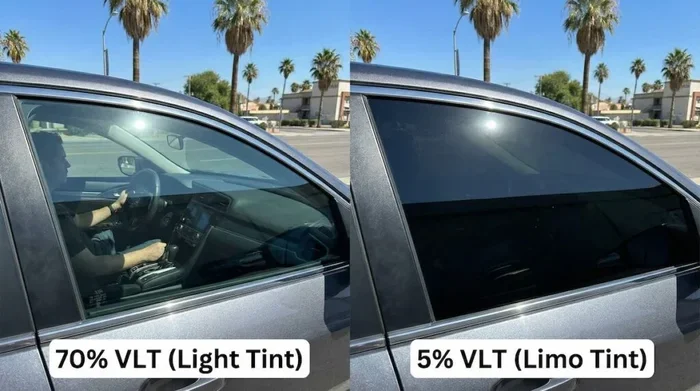
The state of California regulates how dark and reflective your car windows can be. These rules are based on a measurement called Visible Light Transmission, or VLT percentage. VLT tells you how much light passes through your window film. The higher the number, the more light gets through. A lower number means a darker tint.
California law applies to all passenger vehicles, including sedans, SUVs, and vans. Each vehicle type has slightly different rules for the front and rear windows. The California DMV tint guidelines are clear, but they can be confusing if you have never read them before. That is why this guide exists.
### What Is VLT and Why Does It Matter?
VLT stands for Visible Light Transmission. It is the percentage of light that passes through your window and the tint film combined. For example, a 70% VLT means 70% of light gets through, and 30% is blocked. A 50% VLT blocks half the light. This number is the backbone of California’s tint regulations.
When you buy aftermarket tint, the film reduces the VLT of your original glass. Car manufacturers usually tint windows to around 70-80% VLT already. So adding any film will lower that number further. You need to make sure the combined VLT stays within legal limits.
### Sedan Tint Rules in California
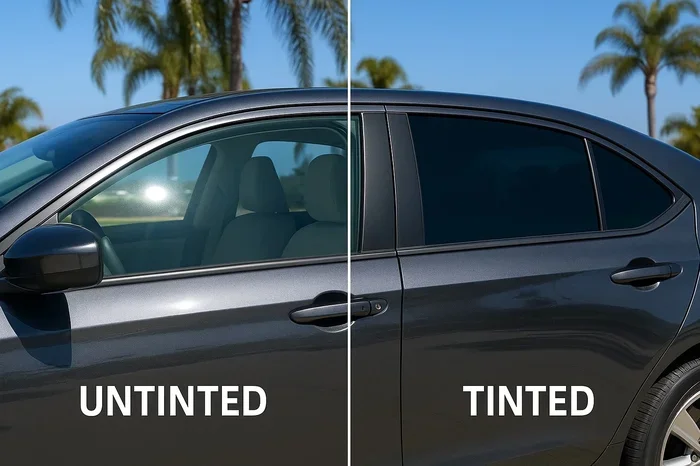
For sedans, the rules are very specific. The front side windows must allow more than 70% of light in. This means you can only apply a very light tint film on the front doors. The rear side windows and back windshield can be any darkness you want. There is no minimum VLT requirement for the rear windows on a sedan.
Here is a quick look at sedan rules:
- Front windshield: Non-reflective tint on the top 4 inches only.
- Front side windows: Must allow more than 70% VLT.
- Rear side windows: Any darkness allowed.
- Rear windshield: Any darkness allowed.
### SUV and Van Tint Rules in California
SUVs and vans follow slightly different rules than sedans. The front side windows still need to allow more than 70% VLT. But the rules for the rear windows are the same as sedans. You can tint the rear side windows and back windshield to any darkness you prefer.
The good news is that SUV tint law in California gives you more flexibility on the rear. If you have a larger vehicle, you can go darker on the back windows without worrying about breaking the law. Just remember the front windows still need to stay relatively light.
## Windshield and Mirror Tint Regulations
Many car owners wonder about tinting their windshield. California law allows a very specific type of windshield tint. You can apply a non-reflective tint strip along the top of the windshield. This strip cannot extend lower than four inches from the top edge.
This four-inch rule is very strict. You cannot go wider or lower than that. The purpose is to keep your view of the road clear, especially near the sun roof area. Any tint below that four-inch line on the windshield is illegal.
### Why the Windshield Rule Exists
The windshield is your primary view of the road. Too much tint there can block sunlight and create glare issues. But it can also block your view of pedestrians, cyclists, and other vehicles. The four-inch strip gives you some sun protection without sacrificing safety.
The tint on the windshield must also be non-reflective. No mirror-like or shiny finishes are allowed. Reflective tint can blind other drivers, which is a serious safety hazard. California takes this rule very seriously, and police officers do check for it during traffic stops.
### Side Mirror Requirements
If your rear window is heavily tinted, California law requires you to have dual side mirrors. This ensures you still have a clear view of what is behind you. Without dual mirrors, a dark rear window can create dangerous blind spots.
You do not need dual mirrors if only the rear side windows are tinted and the rear windshield is clear. But if both the rear side windows and the back windshield are tinted, dual mirrors become mandatory. Keep this in mind when planning your tint job.
## Medical Exemptions for Darker Tint
Some people need darker window tint for medical reasons. Conditions like lupus, photosensitivity, or skin disorders can make sunlight dangerous. California does offer a medical exemption for window tint in these cases.
To get an exemption, you need a signed statement from a licensed physician. This statement must explain why darker tint is medically necessary. You then submit it to the California DMV for approval. If granted, you can tint your windows darker than the standard legal limits.
### How to Apply for a Medical Exemption
The process is straightforward but requires proper documentation. Start by visiting your doctor and discussing your condition. Ask them to write a detailed letter explaining the need for darker window tint. The letter should include your diagnosis and the specific medical reason.
Next, submit the letter to your local DMV office. They will review it and issue an exemption sticker if approved. You must keep this exemption in your vehicle at all times. Police officers may ask to see it during a traffic stop. Without it, you could still receive a tint ticket even with a medical condition.
## Penalties for Illegal Window Tint in California
Breaking California’s window tint law comes with real consequences. The most common penalty is a fine. A first-time violation typically costs around $25. However, repeat offenses can lead to higher fines and more serious trouble.
In some cases, you may be asked to remove the illegal tint immediately. If you refuse, your vehicle could be cited and impounded. No one wants that kind of hassle. It is always better to stay on the right side of the law from the start.
### Failed Smog Checks and Inspection Issues
Illegal tint can also cause you to fail your vehicle inspection. California has strict emissions and safety standards. A tint that is too dark or too reflective can trigger a failed inspection. This means you cannot register your car until the problem is fixed.
Fixing illegal tint costs money. You will need to remove the dark film and replace it with a compliant option. This can range from $100 to $400 depending on your vehicle and the type of film used. The fine plus the removal and re-tinting cost adds up fast.
## Tips for Choosing Compliant Window Tint
Choosing the right window tint does not have to be stressful. The key is knowing what is legal and working with a trusted professional. Here are some practical tips to help you stay compliant.
First, always ask your tint installer about VLT percentages before they apply any film. A reputable installer will know California’s rules inside and out. They can recommend a film that looks great and stays legal. Do not be afraid to ask questions. It is your car and your responsibility.
Second, keep your tint certificate and receipt in a safe place. The certificate proves your tint meets legal standards. If you ever get pulled over, having this documentation can save you from a fine. Some installers provide the certificate automatically, but others do not. Always ask for it.
Third, consider the color of the tint film. California does not restrict tint color, but some colors can look suspicious to police officers. Stick with neutral shades like charcoal or gray. These colors look professional and are less likely to attract unwanted attention during a traffic stop.
### Quick Tips for Staying Legal
- Ask for the VLT percentage: Before installation, confirm the film meets the 70% front window requirement.
- Get a tint certificate: Keep it in your glove box at all times.
- Avoid reflective finishes: Metallic or mirrored tints are illegal in California.
- Stick to the top 4 inches on the windshield: No exceptions.
- Install dual side mirrors: If your rear window is heavily tinted.
- Work with a certified installer: They know the latest regulations and can guide you.
## Common Mistakes Car Owners Make with Window Tint
Many car owners unknowingly break tint laws. The most common mistake is buying tint that is too dark for the front windows. Some tint shops sell dark films without checking if they meet California standards. Always verify the VLT before you agree to the installation.
Another mistake is tinting the windshield below the four-inch line. Some drivers think a thin strip across the full windshield looks cool. It is not legal. The four-inch rule is strict, and police officers do measure. Do not risk it.
Some drivers also forget about the dual mirror requirement. They tint the rear windows dark but do not install additional side mirrors. This creates a blind spot and violates California law. Check your mirrors before you drive away from the tint shop.
### Expert Insights
According to automotive safety experts, window tint should never compromise driver visibility. The California Highway Patrol enforces tint laws primarily for safety reasons. Dark or reflective tint reduces a driver’s ability to see pedestrians, cyclists, and other vehicles. Staying within legal limits protects everyone on the road.
Experts also recommend choosing high-quality window film that blocks UV rays without darkening the glass too much. Many modern films offer excellent heat rejection at 70% VLT or higher. This means you get the benefits of tint without breaking any laws.
## Frequently Asked Questions
Can I tint my front windshield in California?
Yes, but only the top four inches. The tint must be non-reflective, and it cannot extend below that four-inch line. Any tint below that is considered illegal and can result in a fine.
What happens if I get caught with illegal tint in California?
You will likely receive a citation and a fine of around $25 for a first offense. In some cases, you may be required to remove the tint before your vehicle can pass inspection. Repeat violations can lead to higher fines.
Do I need a medical exemption for darker tint?
Yes, if you want to tint your front windows darker than the legal limit, you need a signed statement from a licensed physician. Submit this to the California DMV for approval before getting the tint applied.
Can I use reflective or mirrored tint on my car?
No. California law prohibits any reflective or mirrored finish on vehicle windows. Tint must be non-reflective on the windshield and must not have a mirrored appearance on any other window.
Is there a difference between tint laws for sedans and SUVs?
The front window rules are the same for both. Both must allow more than 70% VLT. However, rear window rules are similar across vehicle types, allowing any darkness as long as dual side mirrors are present.
How much does legal window tint cost in California?
Professional window tint installation typically costs between $100 and $400 depending on your vehicle size and the type of film used. Choosing a certified installer ensures the job meets California’s legal requirements.
## Final Thoughts
Understanding the California window tint law does not have to be complicated. The rules are clear once you know what to look for. Keep your front side windows above 70% VLT, limit your windshield tint to the top four inches, and avoid reflective finishes. If you follow these basic rules, you will stay legal and avoid unnecessary fines.
Always work with a licensed and certified tint installer. They will guide you through the process and make sure your car window tint meets every requirement. Keep your documentation handy, and never hesitate to ask questions. Your safety and the safety of others on the road should always come first.
Window tinting is a great way to improve comfort and protect your car’s interior. But it must be done the right way. Now that you know the rules, you can make informed decisions and enjoy your tinted windows with confidence. Stay smart, stay legal, and enjoy the ride.
Key Takeaways
- Front side windows must allow over 70% VLT: This applies to sedans, SUVs, and vans in California.
- Windshield tint is limited to the top 4 inches: A non-reflective strip is the only legal option.
- Rear windows can be any darkness: But you must have dual side mirrors if the rear window is tinted.
- Medical exemptions are available: Some drivers can get special permits for darker tint.
- Reflective and mirrored tints are illegal: California bans any shiny or metallic-looking window film.
- Illegal tint can cost you $25 or more: Fines vary by county and severity of the violation.
- Always check your tint certificate: A certified installer will provide the proper documentation.
Frequently Asked Questions
What is California Window Tint Law Explained?
California Window Tint Law Explained is an important topic with many practical applications.