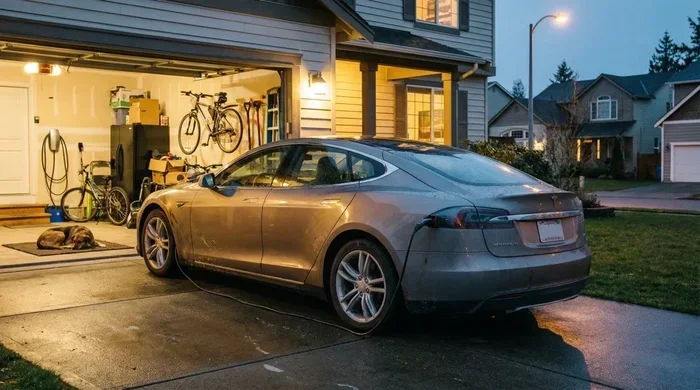
2nd Hand Electric Cars Are Worth Serious Consideration
2nd hand electric cars offer an affordable way to join the EV revolution without paying premium prices. You get modern technology, lower running costs, and a greener ride at a fraction of the original price. This guide covers everything you need to know about buying used electric vehicles, from battery health to top models worth considering.
There has never been a better time to look at 2nd hand electric cars. The electric vehicle market has exploded in recent years, and that means more quality used options are available than ever before. Whether you want to save money or reduce your carbon footprint, buying a pre-owned EV checks both boxes.
Many people still think electric cars are too expensive. That was true a few years ago, but the used EV market has changed the game completely. You can now find reliable 2nd hand electric cars for a fraction of what they cost when new. The savings go beyond just the purchase price too.
So why are more buyers turning to pre-owned EVs? Lower electric car prices play a big role, but it is not the only reason. People also love the lower maintenance costs, the quiet ride, and the instant torque that electric motors deliver. If you have been curious about making the switch, buying used is one of the smartest moves you can make.
Key Takeaways
- Lower Upfront Cost: Pre-owned EVs cost significantly less than new ones while still delivering great performance.
- Battery Health Matters: Always check battery degradation and remaining warranty before purchasing.
- Top Models Available: The Nissan Leaf, Tesla Model 3, and Chevrolet Bolt are popular used EV choices.
- Savings Add Up: Used electric cars save money on fuel, maintenance, and often qualify for EV incentives.
- Check Before You Buy: Inspect the electric drivetrain, charging port, regenerative braking, and software updates.
- Home Charging Is Key: Having a home charging station makes owning a pre-owned EV incredibly convenient.
- Resale Value Is Strong: Many used EVs hold their value well due to high demand and limited supply.
📑 Table of Contents
- Why 2nd Hand Electric Cars Are Gaining Popularity
- Top Pre-Owned EVs Worth Considering
- Understanding Battery Health and Range
- The Cost Benefits of Buying Used EVs
- What to Check Before You Buy a Used Electric Car
- Charging and Daily Life with a Pre-Owned EV
- Common Mistakes to Avoid When Buying Used EVs
- Expert Insights on the Used EV Market
- Key Takeaways
- Conclusion
Why 2nd Hand Electric Cars Are Gaining Popularity
The shift toward used electric vehicles is happening fast. More drivers are discovering that a pre-owned EV can offer the same great experience as a brand-new one. Let us look at why 2nd hand electric cars are becoming such a popular choice.
Lower Upfront Costs
New electric vehicles can carry a heavy price tag. But when you buy 2nd hand electric cars, you skip the steepest depreciation hit. Most EVs lose about 20-30% of their value in the first three years. That means you can grab a nearly new used electric vehicle for a much more manageable price.
For example, a new Tesla Model 3 might start around 40,000 dollars. A pre-owned Tesla Model 3 from just two or three years ago could be 25,000 to 30,000 dollars. That is a huge savings, and the car still has plenty of life left in it.
Reduced Maintenance Expenses
One of the biggest perks of 2nd hand electric cars is how little they cost to maintain. Electric vehicles have far fewer moving parts than gas-powered cars. There is no oil to change, no transmission to worry about, and fewer brake replacements thanks to regenerative braking.
Here is a quick look at typical maintenance costs for used EVs versus gas cars:
- Oil Changes: Zero for EVs. Gas cars need them every 5,000 to 7,500 miles.
- Brake Pads: EVs last much longer due to regenerative braking systems.
- Transmission: Most EVs have a single-speed drivetrain with no traditional transmission.
- Engine Repairs: No combustion engine means no engine-related repairs.
- Tire Rotations: Same as gas cars, but EV tires often last longer due to smoother power delivery.
All of this adds up to real cost savings over time. When you add a pre-owned EV to the mix, those savings become even more attractive.
Government Incentives and Rebates
Many people do not realize that you can still qualify for EV incentives when buying 2nd hand electric cars. Some regions offer government rebates for used electric vehicles, which can lower the final price even more.
In the United States, the Inflation Reduction Act introduced a used EV tax credit of up to 4,000 dollars. To qualify, the vehicle must meet certain price caps and be purchased from a licensed dealer. Always check the latest EV incentives in your area before making a purchase. These credits can make a pre-owned EV even more affordable.
Top Pre-Owned EVs Worth Considering
Not all 2nd hand electric cars are created equal. Some models have proven to be especially reliable, efficient, and fun to drive. Here are the top used EVs that should be on your radar.
Nissan Leaf
The Nissan Leaf is one of the most popular and affordable used electric vehicles on the market. It has been around since 2010, which means there is a huge selection of 2nd hand electric cars in this lineup.
Key highlights of the Nissan Leaf include:
- Affordable electric car prices starting well under 15,000 dollars for older models.
- Good range of around 150 miles on newer battery packs.
- Easy to find and simple to maintain.
- Great for city driving and daily commuting.
The Leaf is an excellent entry point into the world of pre-owned EVs. Just make sure you check the battery health carefully, as early Leaf models may have some degradation.
Tesla Model 3
The Tesla Model 3 is a standout among 2nd hand electric cars. It offers a perfect blend of range, performance, and technology. Even used Model 3s come packed with features like Autopilot, a large touchscreen, and over-the-air software updates.
Why the Model 3 makes a great used EV:
- Impressive range of 260 to 350 miles depending on the trim.
- Strong resale value compared to many competitors.
- Supercharger network access for fast and convenient road trips.
- Excellent build quality and safety ratings.
If your budget allows, a used Tesla Model 3 is one of the best pre-owned EV purchases you can make. The driving experience is simply unmatched in this price range.
Chevrolet Bolt EV and Bolt EUV
The Chevrolet Bolt has earned a reputation as a solid and practical used electric vehicle. It offers a spacious interior, good range, and a competitive price point that makes it a favorite among budget-conscious buyers.
Here is what makes the Bolt a strong contender:
- Range of around 259 miles, which is excellent for the price.
- Compact size makes it easy to park and maneuver.
- Reliable electric motor and drivetrain.
- Often available at electric car prices below 20,000 dollars.
The Bolt is a practical choice for families or anyone who needs a reliable daily driver. It proves that you do not need to spend a fortune to enjoy a great 2nd hand electric car.
Other Models Worth a Look
Beyond the big three, there are other 2nd hand electric cars that deserve attention:
- Hyundai Kona Electric: Compact SUV with strong range and modern features.
- Kia Niro EV: Versatile crossover with a comfortable ride and good cargo space.
- BMW i3: Unique design and premium feel, though range is more limited.
- Ford Mustang Mach-E: Sporty SUV with impressive performance and tech.
Each of these models brings something different to the table. Your choice will depend on your budget, driving needs, and personal preferences.
Understanding Battery Health and Range
The battery is the heart of any 2nd hand electric car. Understanding battery health is the single most important thing you need to know before buying a used EV. A healthy battery means a car that will serve you well for years to come.
What Is Battery Degradation?
Over time, every EV battery loses a small amount of its capacity. This is called battery degradation. It happens naturally with every charge and discharge cycle. Most modern EV batteries are designed to retain at least 70-80% of their original capacity after 100,000 miles.
Here are some key facts about battery degradation in pre-owned EVs:
- Most used electric vehicles lose about 2-3% of range per year.
- Newer battery chemistries, like lithium-ion, degrade more slowly than older ones.
- Extreme temperatures can accelerate battery wear.
- Frequent fast charging may slightly increase degradation over time.
The good news is that 2nd hand electric cars with even 80% battery health still deliver plenty of useful range. A Leaf that originally offered 107 miles may still give you 85 miles, which is more than enough for most daily driving.
How to Check Battery Health
Before you commit to a 2nd hand electric car, always check the battery health. Here is how:
- Ask the seller for a battery health report or EV battery warranty documents.
- Use the car’s onboard diagnostic system to check the battery state of health.
- Have an independent EV mechanic inspect the battery and electric drivetrain.
- Look for the remaining EV battery warranty coverage, which often transfers to new owners.
Many manufacturers offer battery warranties of 8 years or 100,000 miles. A pre-owned EV that is still under warranty gives you extra peace of mind. Always confirm the warranty status before you buy.
The Cost Benefits of Buying Used EVs
The financial advantages of 2nd hand electric cars go well beyond the initial purchase price. Let us break down the real-world cost savings you can expect.
Fuel Savings
Electricity is significantly cheaper than gasoline. On average, charging an EV costs the equivalent of about 3 to 4 dollars per gallon of gas. Over a year of driving, those savings add up quickly.
Here is a simple comparison of fuel costs:
- Gas Car: 12,000 miles per year at 30 mpg and 3.50 dollars per gallon = about 1,400 dollars per year.
- Used EV: 12,000 miles per year at 3.5 miles per kWh and 0.13 dollars per kWh = about 450 dollars per year.
That is nearly a 70% reduction in fuel costs. Over five years, you could save 4,000 dollars or more just on fuel alone. These cost savings make 2nd hand electric cars even more appealing.
Insurance and Tax Benefits
Insurance premiums for EVs can sometimes be lower, especially for models with strong safety ratings. Additionally, some states and countries offer reduced registration fees or tax benefits for electric vehicles. Check with your local DMV or tax advisor to see what EV incentives apply to your purchase.
Long-Term Value
2nd hand electric cars tend to hold their resale value well. The combination of strong demand, limited supply, and the growing reputation of EVs means that used electric vehicles often depreciate more slowly than their gas counterparts.
When it is time to sell, you may find that your pre-owned EV retains a surprisingly high percentage of its purchase price. This makes used electric vehicles a smart long-term investment.
What to Check Before You Buy a Used Electric Car
Buying 2nd hand electric cars requires some specific checks that differ from buying a gas car. Here is a practical guide to help you avoid common pitfalls.
Inspect the Charging Port and Cable
Start by examining the charging port on the vehicle. Look for any damage, corrosion, or loose connections. A damaged charging port can lead to expensive repairs and inconvenient charging sessions.
Also ask about the included charging cable. Some sellers include a portable Level 1 charger, while others may only have a Level 2 cable. Having the right charging equipment matters, especially if you do not yet have a home charging station installed.
Test the Regenerative Braking System
Regenerative braking is a key feature of EVs. It captures energy during deceleration and feeds it back to the battery. This system also reduces wear on traditional brake components.
During your test drive, pay attention to how the regenerative braking feels. It should be smooth and responsive. If the system feels weak or inconsistent, have a technician inspect it before purchasing.
Check the Software and Infotainment System
Modern EVs rely heavily on software for everything from navigation to battery management. Before you buy a 2nd hand electric car, make sure the infotainment system is working properly.
Ask the seller about the last software update. Many EV manufacturers regularly release updates that improve performance, range, and features. A car that has not been updated in a while may be missing out on important improvements.
Review the Service History
Always ask for a complete service history. Look for regular maintenance records and any past repairs. A well-documented service history gives you confidence that the pre-owned EV has been properly cared for.
Pay special attention to any battery-related service entries. If the battery has been replaced or serviced, ask why and get documentation. This information is valuable when negotiating the price.
Take It for a Comprehensive Test Drive
A test drive for a 2nd hand electric car should be more thorough than a typical test drive. Here is what to focus on:
- Test the acceleration and note any unusual sounds or vibrations.
- Check the range on a full charge and compare it to the advertised range.
- Test all driving modes, including any eco or sport modes.
- Try the regenerative braking at different levels if the car allows adjustment.
- Listen for any strange noises from the electric motor or drivetrain.
- Test the climate control system, as it can affect range anxiety concerns.
A thorough test drive helps you spot potential issues before they become expensive problems.
Charging and Daily Life with a Pre-Owned EV
Owning 2nd hand electric cars changes the way you think about fueling your vehicle. Once you make the switch, you will wonder how you ever lived without it.
Home Charging Made Easy
The biggest advantage of owning an EV is charging at home. With a home charging station, you wake up every morning with a full battery. No more gas station stops, no more waiting in line.
Level 2 home chargers are the most popular choice for pre-owned EVs. They cost a few hundred dollars to install and can fully charge most used EVs overnight. If you have a garage or a dedicated parking spot, a home charger is a game-changer.
Public Charging Networks
Even if you do not have a home charger, public charging infrastructure has grown enormously. Networks like Tesla Superchargers, Electrify America, and ChargePoint now cover most major highways and urban areas.
For 2nd hand electric cars, public charging is a reliable backup option. Just plan longer trips ahead of time, and you will find charging stations easily along most routes. Range anxiety is becoming less of a concern every year as the charging network expands.
Daily Driving Experience
Driving a used electric vehicle is a genuinely enjoyable experience. The instant torque from the electric motor makes acceleration feel effortless and fun. The quiet cabin creates a calm and peaceful driving environment.
Here are some daily benefits of owning a 2nd hand electric car:
- No more trips to the gas station. Plug in at home and never think about it.
- Lower fuel economy costs compared to gasoline, especially with rising fuel prices.
- Reduced noise pollution, which is better for your neighborhood.
- Simpler maintenance means fewer trips to the mechanic.
- Instant access to torque makes merging and passing feel effortless.
Once you experience the simplicity and convenience of a pre-owned EV, going back to a gas car feels like a step backward.
Common Mistakes to Avoid When Buying Used EVs
Buying 2nd hand electric cars is straightforward, but there are a few mistakes that buyers should avoid.
Skipping the Battery Health Check
This is the number one mistake people make. Always verify the battery health before you buy. A car with a degraded battery may seem like a great deal on paper, but it could cost you thousands in replacement or repair costs down the road.
Ignoring the Warranty
Not checking the remaining EV battery warranty is another common error. A warranty can save you from unexpected expenses. Always confirm what coverage remains and whether it transfers to a new owner.
Overlooking Charging Needs
Before you buy, think about your charging situation. If you live in an apartment without dedicated parking, charging may be more challenging. Make sure your living situation supports convenient charging before you commit to a pre-owned EV.
Not Comparing Models
There are many used electric vehicles on the market, and they vary widely in range, features, and reliability. Take your time, compare models, and read owner reviews. Rushing into a purchase without research can lead to buyer’s remorse.
Expert Insights on the Used EV Market
Industry experts agree that 2nd hand electric cars represent one of the best values in the automotive market today. According to recent market analyses, the demand for pre-owned EVs continues to grow as more consumers recognize the financial and environmental benefits.
Experts recommend focusing on models with strong resale value and proven battery longevity. The Tesla Model 3, Chevrolet Bolt, and Nissan Leaf all rank highly in reliability surveys for used electric vehicles. These models have large owner communities, plenty of aftermarket support, and well-understood electric drivetrain technology.
Another expert tip is to consider the total cost of ownership. When you factor in fuel savings, maintenance savings, and potential tax credits, 2nd hand electric cars often end up being cheaper to own than comparable gas vehicles over a five-year period.
Also, keep an eye on charging infrastructure developments in your area. The more charging stations available, the more practical and convenient owning a used EV becomes. As infrastructure continues to expand, the value proposition of pre-owned EVs will only get stronger.
Key Takeaways
- Affordability: 2nd hand electric cars offer a budget-friendly path into EV ownership with lower upfront costs and strong cost savings over time.
- Battery Health Is Critical: Always check battery condition, degradation levels, and remaining warranty coverage before purchasing.
- Top Models Deliver Value: The Nissan Leaf, Tesla Model 3, and Chevrolet Bolt are proven choices in the used electric vehicle market.
- Maintenance Is Minimal: Fewer moving parts mean lower repair bills and less downtime compared to gas cars.
- Home Charging Is a Game-Changer: A home charging station makes daily ownership simple and convenient.
- Strong Resale Value: Used EVs tend to hold their value well, making them a smart long-term investment.
- Do Your Homework: Compare models, check service history, and take a thorough test drive before committing.
Conclusion
2nd hand electric cars are an excellent choice for anyone looking to save money, reduce their environmental impact, and enjoy a modern driving experience. The used EV market has matured significantly, and there has never been a wider selection of reliable, affordable pre-owned EVs available.
From the budget-friendly Nissan Leaf to the tech-packed Tesla Model 3, there is a used electric vehicle for nearly every lifestyle and budget. The key is to do your research, check the battery health, and understand what to look for before you buy.
The cost savings on fuel and maintenance alone make 2nd hand electric cars a smart financial decision. Add in the environmental benefits and the sheer driving pleasure, and it is easy to see why more buyers are making the switch to used EVs every day.
If you have been on the fence about going electric, now is the perfect time. Explore the 2nd hand electric cars available in your area, take a few test drives, and discover how easy and rewarding EV ownership can be. The future of driving is electric, and you do not need to buy new to be a part of it.
Frequently Asked Questions
Are 2nd hand electric cars reliable?
Yes, 2nd hand electric cars are generally very reliable. They have fewer moving parts than gas cars, which means fewer things can go wrong. Models like the Tesla Model 3, Nissan Leaf, and Chevrolet Bolt have strong track records for reliability and durability.
How long does an EV battery last in a used car?
Most EV batteries are designed to last 100,000 to 200,000 miles. In a pre-owned EV, you can expect the battery to retain at least 70-80% of its original capacity, depending on the model and usage. Always check the battery health report before buying.
Can I get a tax credit for buying a used electric car?
Yes, in many regions you can qualify for EV incentives on used electric vehicles. In the United States, the federal used EV tax credit offers up to 4,000 dollars for qualifying vehicles. Check current government rebates and eligibility requirements in your area.
What is the average price of 2nd hand electric cars?
Prices vary widely depending on the model, year, and condition. You can find 2nd hand electric cars starting around 10,000 to 15,000 dollars for older models like the Nissan Leaf. More recent models like the Tesla Model 3 or Chevrolet Bolt typically range from 20,000 to 35,000 dollars.
Do used electric cars have good range?
Many used electric vehicles offer excellent range. A used Tesla Model 3 can deliver 260 to 350 miles on a full charge. Even older models like the Nissan Leaf provide 80 to 150 miles, which is plenty for most daily commuting needs.
Is charging a used EV difficult?
Not at all. Charging a 2nd hand electric car is simple and convenient. You can charge at home with a Level 2 charger, use public charging stations, or even plug into a standard outlet for slower charges. The growing charging infrastructure makes owning a used EV easier than ever.
=== CONCLUSION ===
2nd hand electric cars offer an incredible opportunity for buyers who want the benefits of electric driving without the premium price tag. With lower electric car prices, minimal maintenance costs, and strong cost savings on fuel, the case for buying used has never been stronger.
Take the time to research your options, check battery health, and test drive multiple models. Whether you choose a Nissan Leaf, Tesla Model 3, Chevrolet Bolt, or another pre-owned EV, you are making a smart and forward-thinking choice. The world of used electric vehicles is waiting, and it is more accessible than ever before.