Are All Maserati Paints Metallic The Surprising Answer
Not all Maserati paints are metallic. Maserati offers both metallic and solid paint options depending on the model and trim level. Understanding your Maserati paint type helps with maintenance, touch-ups, and preserving that premium look.
Key Takeaways
- Maserati offers both metallic and solid paint finishes across its lineup, not just metallic options.
- Metallic Maserati paints contain aluminum flakes that create depth and shimmer in the finish.
- Solid paint colors are more affordable but may lack the rich depth of metallic finishes.
- Pearlescent and tri-coat paints are also available on certain Maserati models for a unique look.
- Proper paint care includes regular washing, ceramic coating, and paint protection film.
- Paint codes vary by model and year, so always check your specific Maserati before ordering touch-up paint.
- Common mistakes like automatic car washes can damage Maserati paint over time.
📑 Table of Contents
- Are All Maserati Paints Metallic The Surprising Answer
- The Truth About Maserati Paint Options
- How Maserati Paint Differs from Regular Car Paint
- Caring for Your Maserati Paint Finish
- Common Maserati Paint Problems and How to Fix Them
- Maserati Paint Colors by Model
- Why Maserati Paint Quality Matters for Resale Value
- Expert Tips for Maintaining Maserati Paint
- Conclusion
Are All Maserati Paints Metallic The Surprising Answer
When you think of Maserati, what comes to mind? Sleek lines. Powerful engines. And that stunning metallic paint finish that turns heads on every street. But here is the thing most car buyers do not expect. Not every Maserati comes with a metallic paint job. The truth about Maserati paint colors is more interesting than you might think.
So, are all Maserati paints metallic? The short answer is no. The longer answer is much more fascinating. Maserati offers a range of paint options that include metallic, solid, pearlescent, and even tri-coat finishes. Each type has its own look, feel, and maintenance needs. Whether you own a Maserati Ghibli, a Maserati Quattroporte, or a sleek Maserati MC20, knowing your paint type matters a lot.
In this guide, we will break down every paint option Maserati offers. We will explain the differences between metallic and solid finishes. We will share tips on how to care for your luxury car paint. And we will help you understand why the Maserati exterior finish is so much more than just a color choice. Let us dive in.
The Truth About Maserati Paint Options
Maserati has built its reputation on luxury and performance. The paint on a Maserati plays a huge role in that reputation. A perfect finish can make a Maserati car color look alive. It can change how light reflects off the body. It can even affect the perceived quality of the entire vehicle.
But not every Maserati model uses the same type of paint. The brand uses different finishes depending on the model, the trim level, and the customer preference. Let us explore the main paint types you will find on a Maserati.
Metallic Paint on Maserati Models
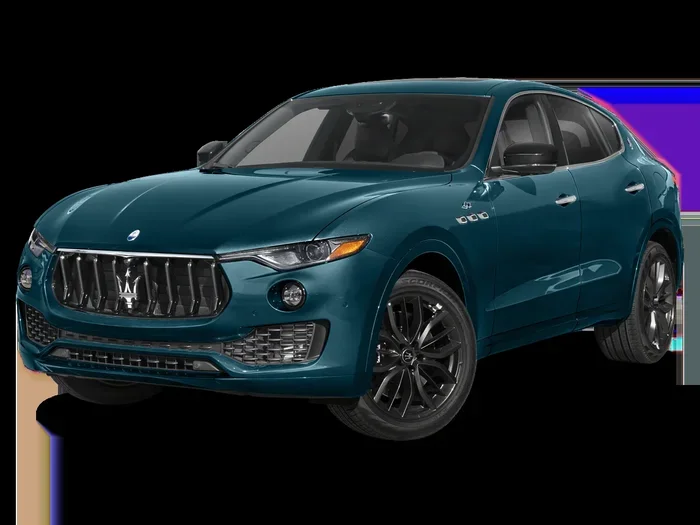
Metallic paint is the most popular choice for Maserati owners. This type of paint contains tiny aluminum flakes suspended in the base coat. These flakes create a shimmering effect that gives the car depth and dimension. When sunlight hits a metallic Maserati paint surface, the color seems to shift and glow.
Most Maserati models come standard with metallic paint options. The Maserati Ghibli typically features metallic finishes in colors like Blu Cobalto and Verde Medio. The Maserati Quattroporte offers a wider range, including sophisticated grays and deep blues. The Maserati Levante SUV also features stunning metallic choices that complement its bold styling.
Here are some common metallic Maserati paint colors you will find:
- Blu Cobalto – A deep, rich blue with metallic shimmer
- Grigio Touring – A sophisticated gray metallic finish
- Verde Medio – A vibrant green with metallic depth
- Bianco Fusco – A white metallic with subtle warmth
- Nero Carbonio – A dark metallic black with pearl hints
Metallic paint does more than look beautiful. It also offers better protection against UV rays. The aluminum flakes help reflect sunlight, which can reduce heat absorption. This means your Maserati paint care routine is a bit easier compared to some other finishes.
Solid Paint Finishes on Maserati
Here is where the surprise comes in. Not all Maserati paints are metallic. Some models and trims offer solid paint finishes. Solid paint does not contain metal flakes. Instead, it uses a uniform pigment throughout the coat. This creates a flat, consistent color without any shimmer.
Solid paint is less common on Maserati vehicles. But it does exist, especially on base trim levels or certain special editions. The advantage of solid paint is its simplicity. It costs less to produce. It is easier to match for touch-ups. And it has a classic, clean look that some owners prefer.
If you are buying a used Maserati, check the paint type carefully. A solid paint job on a Maserati can be just as beautiful as a metallic one. But it requires different care techniques. Solid paint tends to show imperfections more easily. Scratches and swirl marks are more visible on a flat finish compared to a metallic one.
Pearlescent and Tri-Coat Paints
Beyond metallic and solid, Maserati also offers pearlescent and tri-coat paint options on select models. These finishes take luxury to the next level. Pearlescent paint contains mica particles that create a soft, glowing effect. Tri-coat paint uses three layers of color to produce incredible depth and richness.
These premium finishes are usually found on higher trim levels or special edition models. They cost more to apply. They require specialized care. But the result is a paint job that looks absolutely breathtaking. If you see a Maserati with a color that seems to change depending on the angle, you are likely looking at a pearlescent or tri-coat finish.
How Maserati Paint Differs from Regular Car Paint
Maserati paint is not your average automotive paint. The brand uses high-quality materials and advanced application techniques. The result is a finish that is far superior to what you find on most mass-market vehicles. But what exactly makes Maserati paint different?
First, the base layers are more sophisticated. Maserati uses a multi-layer paint system. This includes a primer, a base coat, a metallic or pearlescent layer, and a clear coat on top. Each layer serves a specific purpose. Together, they create a durable, glossy, and deeply colored finish.
Second, the color matching process is more precise. Every Maserati paint code is unique to the model and year. This means touch-up paint must be matched exactly. Even a slight difference in shade can be noticeable on a luxury vehicle. This is why it is so important to use the correct Maserati paint code when ordering touch-up supplies.
Third, the clear coat on a Maserati is thicker and more resilient. It provides better protection against environmental damage. It also gives the paint a deeper gloss. This is part of why a new Maserati looks so stunning right off the lot.
The Role of the Clear Coat
The clear coat is the final layer on any Maserati paint job. It is a transparent protective layer that sits on top of the colored paint. The clear coat does several important jobs. It protects the paint from UV rays, road debris, bird droppings, and tree sap. It adds gloss and depth to the color. And it gives the paint a smooth, reflective surface.
On a metallic Maserati paint finish, the clear coat plays an even bigger role. It magnifies the effect of the metal flakes beneath. It creates that liquid-like depth that makes Maserati colors so eye-catching. Without a quality clear coat, even the best metallic paint would look flat and dull.
This is why protecting the clear coat should be a top priority for every Maserati owner. Regular washing, proper drying techniques, and periodic ceramic coating applications all help preserve the clear coat. A damaged clear coat can lead to paint oxidation, fading, and even rust over time.
Caring for Your Maserati Paint Finish
Once you know what type of paint your Maserati has, you can tailor your care routine accordingly. Maserati paint care is not complicated, but it does require consistency. A little effort goes a long way toward keeping your car looking stunning for years.
Washing Tips for Maserati Paint
How you wash your Maserati matters more than you might think. Harsh methods can damage the paint and dull the finish over time. Follow these tips to keep your Maserati exterior finish looking its best:
- Wash your Maserati regularly – At least once a week if you drive it daily. Dirt and grime can eat into the clear coat if left too long.
- Use the two-bucket method – One bucket with soapy water and one with clean rinse water. This prevents scratches from dirt trapped in your wash mitt.
- Use a pH-neutral car soap – Avoid household detergents. They can strip away wax and damage the paint surface.
- Dry with a microfiber towel – Never let your Maserati air dry. Water spots can etch into the paint if left to evaporate.
- Wash in the shade – Avoid washing in direct sunlight. The heat can cause soap to dry too quickly, leaving streaks and residue.
Protective Coatings and Waxes
After washing, applying a protective layer is the next step. There are several options available for Maserati paint protection:
- Carnauba wax – A natural wax that provides warmth and depth to the paint. It needs to be reapplied every few months.
- Synthetic sealant – A man-made product that lasts longer than wax. It provides excellent protection against UV rays and environmental contaminants.
- Ceramic coating – The most durable option. A professional ceramic coating can last several years. It creates a hydrophobic surface that repels water and dirt.
For metallic Maserati paints, ceramic coating is an excellent choice. It enhances the metallic shimmer and makes the car easier to clean. The hydrophobic effect means water beads up and rolls off, taking dirt with it.
Paint Protection Film
For maximum protection, consider paint protection film (PPF). This is a clear, durable film that is applied to the most vulnerable areas of the car. It covers the hood, front bumper, side mirrors, and other spots prone to rock chips and scratches. PPF is invisible once installed. But it can save your Maserati paint from costly repairs down the road.
Many Maserati owners choose to apply PPF to the entire vehicle. This is especially common for cars in areas with harsh winters or heavy traffic. The upfront cost is significant. But it pays for itself by preventing paint damage and preserving resale value.
Common Maserati Paint Problems and How to Fix Them
Even with the best care, Maserati paint can develop issues over time. Knowing what to look for and how to address problems early can save you money and headaches. Here are the most common Maserati paint problems and their solutions.
Paint Chipping and Spalling
Paint chipping happens when small pieces of the paint break away from the surface. This is more common on the front bumper and hood, where road debris is most likely to hit. On a Maserati paint code matched repair, a small touch-up pen can fix minor chips. Larger chips may require professional repair to prevent rust from forming underneath.
Paint Fading
Sun exposure is the biggest enemy of any car paint. Over time, UV rays break down the pigments in the paint. This causes the color to fade and look dull. Maserati paint colors like deep blues and reds are especially prone to fading because their pigments are more sensitive to UV light.
The best defense against paint fading is regular waxing and parking in shaded areas or garages. Ceramic coating provides an extra layer of UV protection. If fading has already occurred, a professional paint correction service can restore the color and gloss.
Swirl Marks and Fine Scratches
Swirl marks are tiny scratches that appear in the paint. They are usually caused by improper washing techniques or automatic car washes. On a metallic Maserati paint finish, swirl marks are very visible because they disrupt the reflective surface of the metal flakes.
The good news is that swirl marks can be removed through paint correction. A professional detailer uses specialized polishing compounds to level the clear coat surface. This restores the smooth, reflective finish. Regular use of proper washing techniques can prevent swirl marks from forming in the first place.
Water Spots and Mineral Deposits
If you live in an area with hard water, water spots can be a persistent problem. When water evaporates on the paint surface, it leaves behind mineral deposits. These can etch into the clear coat if not removed promptly.
The best way to prevent water spots is to dry your Maserati immediately after washing. If spots have already formed, a dedicated water spot remover can dissolve the minerals without damaging the paint. For stubborn spots, a professional detailing service may be needed.
Maserati Paint Colors by Model
Different Maserati models come with different paint color options. Here is a quick look at what you can expect from each model:
| Model | Typical Paint Types | Popular Colors |
|---|---|---|
| Maserati Ghibli | Metallic, solid | Blu Cobalto, Grigio Touring, Nero Carbonio |
| Maserati Quattroporte | Metallic, tri-coat | Bianco Fusco, Verde Medio, Blu Celeste |
| Maserati Levante | Metallic, solid | Azzurro Astro, Grigio Granito, Bianco Carthago |
| Maserati MC20 | Metallic, tri-coat | Blu Granturismo, Rosso Corse, Nero Vesuvio |
Keep in mind that available colors and paint types can vary by model year and market. Always check with your Maserati dealer or refer to the Maserati paint code on your vehicle identification sticker for the exact information about your car.
Why Maserati Paint Quality Matters for Resale Value
Here is something many car buyers overlook. The condition of your Maserati paint has a direct impact on resale value. A well-maintained paint job signals that the car has been cared for. A dull, chipped, or faded finish tells buyers the opposite. It suggests neglect and can significantly reduce the selling price.
Maserati is a luxury brand. Buyers expect a certain level of quality. A flawless Maserati exterior finish is part of that expectation. When it is time to sell or trade in your vehicle, the paint condition will be one of the first things a buyer or dealer inspects.
Investing in proper paint care is one of the smartest things you can do for your Maserati. Regular washing, periodic waxing, and prompt attention to any paint damage all add up. They protect not just the look of your car but also its long-term value.
If you are in the market for a used Maserati, inspect the paint carefully before buying. Look for swirl marks, fading, chips, and clear coat damage. These issues can be expensive to fix. A pre-purchase inspection by a professional can help you identify any hidden paint problems.
Expert Tips for Maintaining Maserati Paint
We asked several Maserati specialists and professional detailers for their top tips. Here is what they recommend for keeping your Maserati paint in perfect condition:
- Always use a two-bucket wash method. This is the single most effective way to prevent swirl marks and scratches.
- Apply ceramic coating within the first year of ownership. The earlier you protect the paint, the better the long-term results.
- Never use automatic car brushes. The rotating brushes can cause micro-scratches that are hard to remove.
- Address paint chips immediately. Even a small chip can lead to rust if moisture gets through to the bare metal.
- Park in a garage whenever possible. Sun, rain, and tree sap are the biggest threats to your paint finish.
- Use a clay bar once or twice a year. This removes embedded contaminants that regular washing cannot reach.
- Choose a specialist for Maserati paint repair. General body shops may not have the right color matching equipment for luxury vehicles.
Following these tips consistently will keep your Maserati looking showroom-fresh for decades. The paint on a Maserati is an investment. Treat it that way, and it will reward you with beauty and durability.
Conclusion
So, are all Maserati paints metallic? The answer is clearly no. Maserati offers a diverse range of paint finishes including metallic, solid, pearlescent, and tri-coat options. Each type has its own unique beauty and specific care requirements. Understanding your particular Maserati paint type is the first step toward keeping your car looking its absolute best.
Whether your Maserati wears a stunning metallic finish or a classic solid color, the key is consistent care. Regular washing, proper drying, protective coatings, and prompt attention to any damage will preserve the paint and protect your investment. A well-maintained Maserati paint job is not just about aesthetics. It is about preserving the luxury, performance, and value that make Maserati such a special brand.
Take pride in your Maserati. Give it the care it deserves. And enjoy that incredible finish every time you walk up to it and run your hand along the smooth, glossy surface. That is what makes owning a Maserati truly special.
Frequently Asked Questions
Are all Maserati paint finishes metallic?
No, not all Maserati paints are metallic. Maserati offers metallic, solid, pearlescent, and tri-coat paint finishes depending on the model and trim level. Always check your specific vehicle to confirm the paint type.
How can I find my Maserati paint code?
Your Maserati paint code is usually located on a sticker inside the driver’s door jamb or in the owner’s manual. You can also check the vehicle identification sticker under the hood. The code is essential for ordering matching touch-up paint.
Is metallic paint more expensive than solid paint on a Maserati?
Yes, metallic paint typically costs more than solid paint on a Maserati. The metallic flakes and additional layers add to the production cost. However, many buyers consider the extra cost worthwhile for the enhanced look and durability.
How often should I wax my Maserati to protect the paint?
It is best to wax your Maserati every three to four months. This frequency provides consistent protection against UV rays, road grime, and environmental contaminants. If you use a ceramic coating, the protection lasts longer and requires less frequent maintenance.
Can I use an automatic car wash on my Maserati?
It is best to avoid automatic car washes with rotating brushes. These can cause swirl marks and fine scratches on the paint. Hand washing with the two-bucket method is always the safer choice for preserving your Maserati paint finish.
What is the best way to fix a small paint chip on my Maserati?
For small chips, a touch-up pen matched to your Maserati paint code works well. Clean the area, apply the touch-up paint carefully, and let it dry completely. For larger chips or damage, consult a Maserati specialist for professional repair to prevent rust and maintain the finish quality.