Are Porsche SUVs Reliable Here Is What You Need To Know
Are Porsche SUVs reliable? The short answer is yes, but with caveats. Porsche Cayenne and Porsche Macan models generally score well in reliability ratings, yet they carry higher repair costs than most competitors. Understanding what to expect helps you make a smart ownership decision.
Are Porsche SUVs reliable? This is a question that crosses the minds of many car shoppers. Porsche builds some of the most exciting sports cars on the road. But when you step up to an SUV, reliability becomes a bigger concern. You want performance, luxury, and fun. You also want something that will not leave you stranded.
The truth about Porsche SUV reliability is more nuanced than a simple yes or no. Both the Cayenne and Macan have earned respectable scores in reliability surveys. Yet they also carry a reputation for expensive repairs. This guide dives deep into what you need to know before buying a Porsche SUV. We cover common problems, maintenance costs, and how these models stack up against rivals like the BMW X5 and Mercedes GLE.
Whether you are looking at a used Porsche Cayenne or a brand-new Porsche Macan, understanding reliability helps you make a smarter purchase. Let us get into it.
Key Takeaways
- Porsche SUVs are reliable: Both the Cayenne and Macan earn solid reliability scores from major consumer reports.
- Common issues exist: Electrical gremlins, air suspension failures, and oil leaks top the list of Porsche SUV problems.
- Maintenance costs are higher: Routine service and repairs cost more than average luxury SUVs.
- Engine choices matter: Some powertrains are more dependable than others.
- Regular care pays off: Following the maintenance schedule keeps your Porsche SUV running strong for years.
- Depreciation is steep: Porsche SUVs lose value faster than some rivals, but they hold resale value better than many European SUVs.
- Owner satisfaction is high: Drivers love the blend of performance and daily usability in Porsche SUVs.
📑 Table of Contents
Understanding Porsche SUV Reliability
When we talk about Porsche SUV reliability, we need to look at real-world data. Several trusted sources track how well these vehicles hold up over time. J.D. Power, Consumer Reports, and RepairPal all provide reliability scores for Porsche models. These scores give us a clear picture of what to expect.
On average, Porsche SUVs score above the industry average. The Porsche Cayenne typically lands in the middle of the pack for luxury SUVs. The Porsche Macan performs similarly well. But “average” does not mean perfect. These vehicles have their quirks. And some model years are more trouble-free than others.
What Makes Up a Reliability Score?
Reliability scores measure several factors. They look at mechanical failures, electrical problems, and corrosion issues. They also factor in routine maintenance costs and frequency of repairs. A high reliability score means fewer trips to the shop and lower repair bills over time.
For Porsche SUVs, the scores are generally good. But the cost of each repair tends to be higher than for non-luxury brands. This is the trade-off you make when you buy a premium German SUV.
Porsche Cayenne Reliability Deep Dive
The Porsche Cayenne is Porsche’s flagship SUV. It has been on the market since 2002. Over the years, it has gone through several generations. Each generation brings updates, improvements, and sometimes new common problems.
First Generation Cayenne (2003-2010)
The first-generation Cayenne was a groundbreaking vehicle. It proved that a Porsche could be practical. However, early models had some growing pains. Air suspension failures were common. The engine control module in some V6 models caused stalling issues. Oil leaks from the rear main seal also appeared frequently.
Despite these issues, many first-generation Cayennes have crossed the 150,000-mile mark with proper care. Routine maintenance is the key to longevity.
Second Generation Cayenne (2011-2018)
The second generation brought significant improvements. Engine reliability got better across the lineup. The 3.0L V6 and 4.0L V8 engines proved more durable. Transmission issues decreased compared to the first generation.
Still, some problems persisted. Electrical gremlins affected the infotainment system. Coolant leaks appeared in some models. The air suspension remained a costly repair item.
Third Generation Cayenne (2019-Present)
The latest Cayenne is the most refined version yet. Porsche addressed many of the older issues. The electrical system is more stable. The transmission shifts smoothly and lasts longer.
Owners report fewer major problems with the 2019+ models. Turbo engine reliability has also improved. Overall, the third generation is considered the most dependable Cayenne yet.
Porsche Macan Reliability Overview
The Porsche Macan is the brand’s compact luxury SUV. It has been a strong seller since its launch in 2014. The Macan shares its platform with the Audi Q5. This means it benefits from proven engineering.
First Generation Macan (2014-2024)
The first-generation Macan is generally reliable. Engine problems are rare. The 2.0L turbo four-cylinder and 3.0L V6 both perform well. Transmission reliability is solid across the lineup.
Some owners report infotainment glitches. Suspension components can wear faster than expected, especially on rough roads. Brake wear is also higher than average due to the vehicle’s performance nature.
2025 Macan (Electric)
The all-electric 2025 Macan is a new chapter for Porsche. Early reviews are very positive. Electric drivetrain reliability tends to be higher than traditional powertrains. With fewer moving parts, there is less that can go wrong. Time will tell how these models hold up over the long term.
Common Porsche SUV Problems to Watch For
Every vehicle has its weak spots. Porsche SUVs are no exception. Knowing what can go wrong helps you stay ahead of problems.
Air Suspension Failures
Air suspension is a common issue across Porsche SUV models. The air struts and air springs can leak or fail. This leads to a rough ride and uneven vehicle height. Replacing air suspension components is expensive, often costing over $1,000 per corner.
Oil Leaks
Oil leaks are a frequent complaint. The rear main seal, valve cover gaskets, and oil pan gasket are common leak points. Small leaks are manageable. But ignoring them can lead to serious engine damage.
Electrical Issues
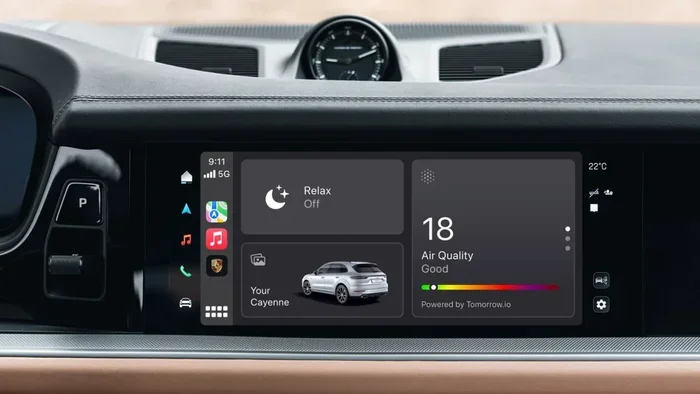
Like many modern luxury vehicles, Porsche SUVs can develop electrical gremlins. These range from minor infotainment glitches to more serious sensor failures. Wiring harness issues sometimes appear in older models.
Coolant and Cooling System Problems
Coolant leaks and thermostat failures can occur. These are not uncommon in Porsche SUVs with higher mileage. Keeping up with coolant flushes helps prevent these issues.
Turbocharger Wear
The turbocharged engines in Porsche SUVs are powerful but complex. Turbo wastegate rattle and boost leaks can develop over time. These are more common in high-mileage vehicles.
Brake System Wear
Porsche SUVs are performance vehicles. This means they wear through brake pads and rotors faster than a typical SUV. Budgeting for more frequent brake service is wise.
Maintenance Tips for Porsche SUV Owners
Proper maintenance is the single biggest factor in Porsche SUV reliability. Following the recommended schedule keeps your vehicle running smoothly and prevents costly repairs down the road.
Follow the Porsche Maintenance Schedule
Porsche provides a detailed maintenance schedule for each model. This schedule covers oil changes, filter replacements, brake inspections, and more. Sticking to this schedule is essential.
Use Quality Parts and Fluids
Always use OEM Porsche parts or high-quality aftermarket equivalents. Synthetic oil, premium coolant, and manufacturer-recommended transmission fluid make a big difference.
Find a Specialist Mechanic
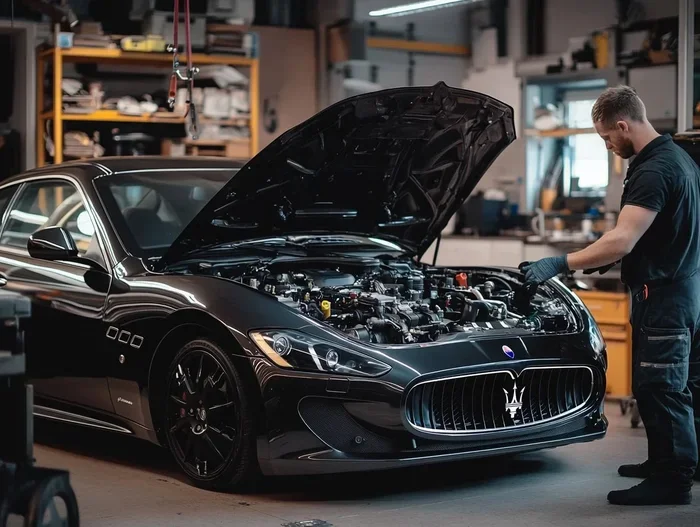
Not every mechanic is qualified to work on a Porsche. Specialist shops and Porsche-certified technicians have the training and tools needed. General quick-lube shops are not the right place for this type of vehicle.
Address Small Issues Immediately
Do not ignore warning lights or unusual noises. Small problems become big repairs fast on a Porsche SUV. A $50 fix today can prevent a $2,000 repair tomorrow.
Keep Detailed Service Records
Service records protect your investment. They prove your vehicle has been well-maintained. This is especially important when selling a used Porsche SUV.
How Porsche SUVs Compare to Competitors
To understand Porsche SUV reliability, it helps to compare them to similar vehicles. The Porsche Cayenne competes with the BMW X5, Mercedes GLE, and Audi Q7. The Porsche Macan goes head-to-head with the BMW X3 and Mercedes GLC.
Reliability Comparison Table
- Porsche Cayenne: Above-average reliability. Higher repair costs than competitors.
- Porsche Macan: Solid reliability. Comparable to the BMW X3.
- BMW X5: Similar reliability profile. Slightly lower repair costs.
- Mercedes GLE: Comparable reliability. Higher electrical issues reported.
- Audi Q7: Similar platform to Cayenne. Comparable reliability scores.
Cost of Ownership
Porsche SUVs cost more to own than most competitors. Routine maintenance is pricier. Parts are more expensive. Labor rates at Porsche dealerships are among the highest. However, Porsche SUVs also hold their value better than many rivals.
Performance Advantage
Where Porsche SUVs shine is in performance. They handle better, accelerate faster, and feel more engaging to drive than the competition. For many owners, this justifies the higher cost of ownership.
The Verdict: Are Porsche SUVs Reliable?
So, are Porsche SUVs reliable? The answer is a qualified yes. Porsche Cayenne and Porsche Macan models are generally dependable vehicles. They score well in reliability surveys and provide years of enjoyable driving.
However, they are not maintenance-free. Repair costs are higher than average. Electrical issues and suspension repairs can be pricey. If you are willing to invest in proper care, a Porsche SUV can be a rewarding ownership experience.
Before buying, always get a pre-purchase inspection from a qualified Porsche specialist. Check the service history thoroughly. And budget for the higher costs that come with luxury German SUV ownership.
In the end, reliability is about more than just avoiding breakdowns. It is about confidence. When you drive a Porsche SUV, you should feel confident that your vehicle will perform. And with the right care, it will.
Frequently Asked Questions
How reliable is the Porsche Cayenne?
The Porsche Cayenne is considered a reliable luxury SUV. It scores above average in most reliability surveys. The third-generation models (2019+) are the most dependable. Regular maintenance and prompt repairs keep it running strong for many years.
What are the most common Porsche SUV problems?
The most common issues include air suspension failures, oil leaks, electrical gremlins, and coolant system problems. Brake wear is also higher than average due to the performance nature of these vehicles. Staying on top of routine service helps prevent most of these issues.
Are Porsche SUVs expensive to maintain?
Yes, Porsche SUVs have higher maintenance costs than most vehicles. Parts are expensive and labor rates are high. Routine oil changes, brake jobs, and scheduled services cost more than for non-luxury brands. However, the cost is comparable to other German luxury SUVs like BMW and Mercedes.
Is the Porsche Macan a good daily driver?
The Porsche Macan makes an excellent daily driver. It is smaller and more manageable than the Cayenne. Fuel economy is reasonable for a performance SUV. The ride is comfortable enough for daily commutes, yet it still delivers the Porsche driving experience when you want it.
Which Porsche SUV has the fewest problems?
The Porsche Macan tends to have fewer issues than the Cayenne. Its simpler engine lineup and smaller size mean fewer things can go wrong. The 2019+ Cayenne models also have a strong reliability track record. Both are solid choices for low-problem ownership.
How long does a Porsche SUV last?
A well-maintained Porsche SUV can last 200,000 miles or more. Engine longevity is strong across the lineup. The key factors are regular maintenance, prompt repairs, and driving habits. Owners who follow the service schedule consistently get the best long-term results.
=== CONCLUSION ===
Are Porsche SUVs reliable? Yes, they are. The Porsche Cayenne and Porsche Macan offer strong reliability backed by solid data. They deliver the performance, luxury, and daily usability that make Porsche SUVs so appealing.
They do come with higher ownership costs. Repairs are pricier. Maintenance requires more investment. But for those who love the Porsche brand, the trade-off is worth it.
If you are considering a Porsche SUV, do your homework. Check reliability ratings for the specific model year. Get a thorough pre-purchase inspection. And commit to proper maintenance. Follow these steps, and your Porsche SUV will reward you with years of confident, enjoyable driving.