Can I Use 5W-30 Instead of 5W-20 in My Hyundai Engine
Can I use 5W-30 instead of 5W-20 in my Hyundai? The short answer is usually no. Most Hyundai engines require 5W-20 oil to deliver the best fuel economy and engine protection. Swapping to a thicker 5W-30 can reduce efficiency and may even affect your warranty coverage. Always check your owner’s manual before making any change.
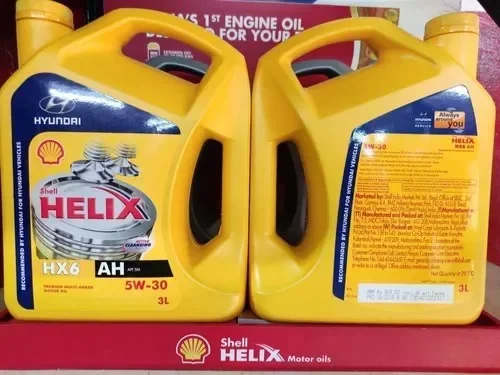
You just pulled up the oil aisle at the auto parts store. The shelves are packed with bottles labeled 5W-20, 5W-30, 10W-30, and more. Your Hyundai is sitting in the driveway, and you wonder: can I use 5W-30 instead of 5W-20 in my Hyundai? It seems like a small difference. The numbers look similar. But that tiny gap can have a real impact on how your engine runs, how much fuel you burn, and even whether your warranty stays intact.
This guide will walk you through everything you need to know. We will break down what those numbers mean, why Hyundai picks a specific oil, what happens if you use the wrong one, and when a thicker oil might actually make sense. By the end, you will feel confident making the right choice for your car.
Key Takeaways
- Hyundai recommends 5W-20 for nearly all modern models to protect fuel economy and engine performance.
- Using 5W-30 instead of 5W-20 can slightly lower your gas mileage and slow cold-start lubrication.
- The owner’s manual is your ultimate guide; never guess the correct viscosity grade.
- In rare cases like high-mileage engines or extreme heat, 5W-30 might be considered, but only after consulting a dealer.
- Wrong oil viscosity can lead to increased engine wear and higher long-term repair costs.
- Warranty coverage could be at risk if you use an oil that does not meet Hyundai’s specifications.
- Always use oil that carries the right API certification and meets Hyundai’s own standards.
📑 Table of Contents
- Can I Use 5W-30 Instead of 5W-20 in My Hyundai? The Short Answer
- What the Numbers on Your Oil Bottle Mean
- Why Hyundai Recommends 5W-20 Oil
- What Happens If You Use 5W-30 Instead of 5W-20
- When Might 5W-30 Be Acceptable?
- How to Check Your Hyundai’s Oil Requirements
- Common Mistakes People Make With Oil Changes
- Conclusion
Can I Use 5W-30 Instead of 5W-20 in My Hyundai? The Short Answer
The direct answer is no, not for most Hyundai vehicles. Hyundai engineers design their engines to run on 5W-20 oil. This viscosity grade is carefully chosen to balance lubrication, fuel efficiency, and emissions control. Using a thicker oil like 5W-30 can upset that balance.
However, there are a few edge cases where a dealer might approve a switch. For example, a very high-mileage engine with minor oil consumption might benefit from a slightly thicker film. But even then, you should always get professional advice first. The safest route is to stick with the manufacturer’s recommendation.
What the Numbers on Your Oil Bottle Mean
Understanding Viscosity Grades
Every oil bottle shows a code like 5W-20 or 5W-30. The first number with the “W” stands for winter viscosity. It tells you how easily the oil flows when the engine is cold. A lower number means the oil stays thinner in freezing temperatures. The second number tells you the oil’s thickness at normal operating temperature. A higher number means the oil is thicker when hot.
So both 5W-20 and 5W-30 flow similarly when you first start your car on a cold morning. The difference shows up once the engine warms up. 5W-30 remains slightly thicker at operating temperature than 5W-20. That extra thickness changes how the oil behaves inside tight engine passages, bearings, and oil galleries.
Think of it like water versus honey. Both can pour, but honey moves slower and coats surfaces more heavily. Your engine needs the right “thickness” to keep friction low and protect metal parts. Using the wrong viscosity can starve critical components of oil or create too much drag.
Why Hyundai Recommends 5W-20 Oil
Engine Design and Fuel Economy
Modern Hyundai engines are built with tight tolerances. They often feature direct injection and turbocharged designs. These engines run hotter and need oil that can move quickly to all the right places. 5W-20 oil is thin enough to flow rapidly through narrow passages, reducing friction and helping your engine sip fuel rather than guzzle it.
Hyundai spends millions of hours testing different oil weights. They choose 5W-20 because it maximizes fuel economy without sacrificing engine protection. The oil film is thin but strong enough to handle normal driving conditions. Switching to a thicker oil adds parasitic drag, which means your engine works slightly harder and burns more gas.
Warranty and Manufacturer Requirements
Your Hyundai comes with a warranty that covers defects in materials and workmanship. Part of that warranty depends on following the manufacturer’s maintenance schedule. The owner’s manual clearly states the required oil viscosity. If you use a different weight and later develop engine problems, the dealer could deny your claim.
This does not mean a single accidental top-up with 5W-30 will void your warranty. But consistently using the wrong oil can be seen as neglect. Always refer to the owner’s manual or ask your dealer before making any change to your oil type.
What Happens If You Use 5W-30 Instead of 5W-20
Effects on Fuel Economy
The most noticeable difference you might feel is at the pump. Thicker oil creates more resistance inside the engine. The oil pump has to work harder to push it through the system. That extra effort translates into slightly lower fuel economy. You might not see a dramatic drop, but over thousands of miles, the difference adds up.
Some drivers report a 1 to 2 percent decrease in miles per gallon when they switch from 5W-20 to 5W-30. On a car that gets 30 mpg, that might mean losing a few miles per tank. It is not catastrophic, but it is a real trade-off.
Cold Start Performance
When you turn the key on a cold morning, the oil sits at the bottom of the oil pan. It needs to rush up to the camshaft, crankshaft, and valve train as fast as possible. Both 5W-20 and 5W-30 share the same “5W” cold rating, so they flow similarly in winter. However, 5W-30 is slightly thicker overall, which can mean a tiny delay in reaching critical components.
That delay is measured in fractions of a second. But during those fractions, metal parts are spinning against each other with minimal lubrication. Over time, this can increase engine wear, especially in cold climates where short trips prevent the oil from fully warming up.
Engine Wear and Protection
At normal operating temperature, 5W-30 forms a slightly thicker oil film than 5W-20. You might think thicker is always better, but it is not that simple. Modern engines have precise clearances designed for a specific oil thickness. Too thick an oil can fail to reach the tightest tolerances. It can also reduce oil pressure in the system because the pump struggles to push the heavier fluid through small passages.
Over time, this can lead to increased oil consumption and uneven lubrication. The engine may run hotter, and internal components like piston rings and cylinder walls can suffer. Using the correct viscosity grade ensures the oil builds the right pressure and reaches every bearing and journal.
| Feature | 5W-20 | 5W-30 |
|---|---|---|
| Cold Weather Flow | Excellent (5W) | Excellent (5W) |
| Hot Weather Thickness | Thin (20) | Medium (30) |
| Fuel Economy | Better | Slightly Lower |
| Engine Protection (Modern) | Optimized | Slightly Over-Protective |
| Warranty Compliance | Meets Hyundai Spec | May Not Meet Spec |
| Best For | Most Hyundai Models | High-Mileage or Hot Climates (with approval) |
When Might 5W-30 Be Acceptable?
High-Mileage Engines
As engines age, they develop tiny clearances between bearings and journals. An engine with 150,000 miles or more might burn oil or develop minor leaks. Some mechanics suggest switching to a slightly thicker oil like 5W-30 to fill those gaps and reduce consumption. The thicker film can also help seal past worn piston rings.
However, this is not a blanket rule. Many high-mileage Hyundias still run perfectly well on 5W-20 if the engine is in good shape. Before you switch, have a trusted mechanic inspect the engine. If the oil consumption is normal, stick with the factory spec. If the engine is burning oil excessively, a thicker oil might be a temporary fix, but a rebuild or overhaul could be the real solution.
Hot Climates and Towing
If you live in a desert climate where temperatures regularly exceed 100°F, oil can thin out more than usual. Towing a trailer or carrying heavy loads also raises engine temperature. In these extreme situations, some drivers wonder if 5W-30 offers better film strength at high heat.
The truth is that modern full synthetic and synthetic blend 5W-20 oils are engineered to handle extreme temperatures. They include advanced additives that maintain viscosity even under heavy stress. Unless your owner’s manual specifically allows a different weight for towing, you should not switch. Check the manual’s section on “severe service” conditions for guidance.
Quick Tips for Oil Selection
- Always start with your owner’s manual. It lists the exact viscosity and certification required.
- Look at the oil fill cap under the hood. Many Hyundias have the recommended weight stamped right there.
- Choose an oil that meets the latest API SP or API SN certification. These ensure the oil has the right additive package.
- If you are unsure, call your local Hyundai dealer and provide your VIN. They can confirm the correct oil for your specific engine.
- Keep a record of every oil change, including the brand, weight, and date. This protects your warranty and helps track maintenance.
How to Check Your Hyundai’s Oil Requirements
Owner’s Manual and Oil Cap
Your owner’s manual is the first place to look. Flip to the section on maintenance or fluids. It will specify the exact viscosity grade, such as 5W-20, and the required API certification. The manual also lists the oil capacity and the recommended oil change interval, which is typically every 7,500 to 10,000 miles for modern Hyundias.
Next, pop the hood and check the oil fill cap. On most Hyundai models, the cap has the oil weight printed on it. If you see “5W-20” or “SM 5W-20,” that is your confirmation. Never assume a different weight just because the cap is missing or unreadable.
Dealer and Online Resources
Hyundai’s website offers a VIN lookup tool. Enter your vehicle identification number, and the system will pull up the exact specifications for your engine. You can also visit your local dealer’s service department. They have access to technical service bulletins that might address oil recommendations for your specific model year.
Some older Hyundai models with naturally aspirated engines may have used different weights in the past. For example, a 2005 Hyundai Sonata with a 2.4-liter engine might have called for 5W-20 or 5W-30 depending on the market. Always verify with the manual for your exact vehicle.
Common Mistakes People Make With Oil Changes
Using the Wrong Viscosity
The most common mistake is grabbing the wrong bottle off the shelf. Drivers see “5W” on both 5W-20 and 5W-30 and assume they are interchangeable. They are not. The second number changes the oil’s behavior at operating temperature. Using the wrong weight can lead to poor lubrication, reduced fuel economy, or even engine damage over time.
Ignoring Change Intervals
Even if you use the perfect 5W-20 oil, it will break down if you skip oil changes. Heat and contaminants degrade the additives that protect your engine. Old oil loses its ability to suspend sludge and metal particles. Follow the service interval in your manual, or use the oil life monitoring system if your Hyundai has one.
Overlooking Oil Filter Quality
The oil filter traps dirt and debris. A cheap filter with a poor bypass valve can allow unfiltered oil to circulate through the engine. Always use a quality filter, preferably one that meets Hyundai’s specifications. Pair it with a full synthetic or synthetic blend oil for the best protection and longevity.
Expert Insight: “The oil weight your manufacturer recommends is not a suggestion; it is an engineering decision. Changing it without a reason can compromise everything from fuel economy to emissions.” — Certified Hyundai Technician
Conclusion
So, can I use 5W-30 instead of 5W-20 in my Hyundai? For the vast majority of drivers, the answer is no. Hyundai designs its engines to run on 5W-20 oil, and deviating from that recommendation can hurt fuel economy, cold-start performance, and long-term engine health. The risks are small for a one-time mistake, but making it a habit can lead to unnecessary wear and even warranty issues.
Always trust your owner’s manual. Check the oil fill cap. Consult your dealer if you are unsure. The right oil, changed at the right interval, is one of the simplest and most effective ways to keep your Hyundai running strong for years to come. Take a few minutes to verify your oil weight today. Your engine will thank you tomorrow.
Frequently Asked Questions
Will using 5W-30 void my Hyundai warranty?
Consistently using the wrong oil viscosity can be considered neglect, which may lead to a denied warranty claim. A single accidental top-up is unlikely to cause issues, but you should switch back to 5W-20 at the next oil change to stay compliant with the manufacturer’s requirements.
Can I mix 5W-20 and 5W-30 in my Hyundai?
Mixing the two oils in an emergency will not destroy your engine immediately. Both are compatible base oils. However, the resulting mixture will have a viscosity somewhere between the two, which is not what Hyundai engineered for. It is best to drain the mixed oil and refill with the correct 5W-20 at the earliest opportunity.
Is 5W-30 better for a high-mileage Hyundai engine?
Some high-mileage engines with increased oil consumption or minor leaks can benefit from a slightly thicker oil. But this is not a universal fix. Have a mechanic evaluate the engine first. In many cases, a proper 5W-20 with a high-mileage additive formula is a safer choice than jumping to 5W-30.
What happens if I accidentally put 5W-30 in my Hyundai?
If you realize before starting the engine, have the oil drained and replaced with the correct 5W-20. If you drove a short distance on 5W-30, do not panic. The oil will still provide lubrication, but it is not ideal. Schedule an oil change with the correct weight as soon as possible.
Does 5W-30 oil last longer than 5W-20?
No, oil life depends on the additive package and driving conditions, not the viscosity grade. Both 5W-20 and 5W-30 should be changed at the intervals specified in your owner’s manual. Using a thicker oil does not extend the time between changes.
Can I use 5W-30 in a Hyundai turbo engine?
Most Hyundai turbocharged engines are designed for 5W-20 to manage the higher heat and RPMs efficiently. The turbo requires quick oil flow to cool the bearings. Switching to 5W-30 can reduce flow speed and increase thermal stress. Always follow the turbo-specific oil recommendation in your manual.