Can You Apply Touch Up Paint Without Primer Safely
Can you apply touch up paint without primer? The short answer is yes, but it comes with risks. Touch up paint without a primer coat may save time, but it can lead to poor paint adhesion, peeling, and even rust formation. This guide walks you through everything you need to know about car paint repair with and without primer, so you can make the best decision for your vehicle.
Every car owner has been there. You notice a small chip or scratch on your hood, door, or fender, and your first instinct is to fix it fast. The question can you apply touch up paint without primer comes up a lot, and for good reason. Primer adds an extra step, extra cost, and extra time to the repair process.
But skipping primer is not always a smart move. The truth is, whether you should use primer depends on the size of the damage, the type of paint on your car, and your long-term goals for the repair. Some minor chips look fine without primer, while deeper scratches need that extra layer to protect the bare metal underneath.
In this article, we will break down everything you need to know. We will cover when it is safe to skip primer, when you absolutely need it, and how to get the best results either way. By the end, you will feel confident tackling your next car paint repair project at home.
Key Takeaways
- Skipping primer works only for very minor chips and scratches where the base metal is not exposed.
- Primer significantly improves paint adhesion and protects against moisture and rust.
- Applying touch up paint without primer risks peeling, bubbling, and color mismatch over time.
- Surface preparation matters more than primer in some cases, especially for small cosmetic damage.
- Always test a small area first before committing to a full touch up repair without primer.
- Use the right type of touch up paint for your vehicle’s make, model, and year.
- When in doubt, use primer it is a cheap insurance policy for long-lasting results.
📑 Table of Contents
- What Touch Up Paint Does to Your Car’s Surface
- The Role of Primer in Paint Protection
- Can You Apply Touch Up Paint Without Primer?
- Risks of Applying Touch Up Paint Without Primer
- Step-by-Step Guide to Touch Up Paint With and Without Primer
- Expert Insights on Touch Up Paint and Primer
- Common Mistakes to Avoid When Skipping Primer
- How to Decide if You Should Use Primer
- Final Thoughts on Touch Up Paint and Primer
What Touch Up Paint Does to Your Car’s Surface
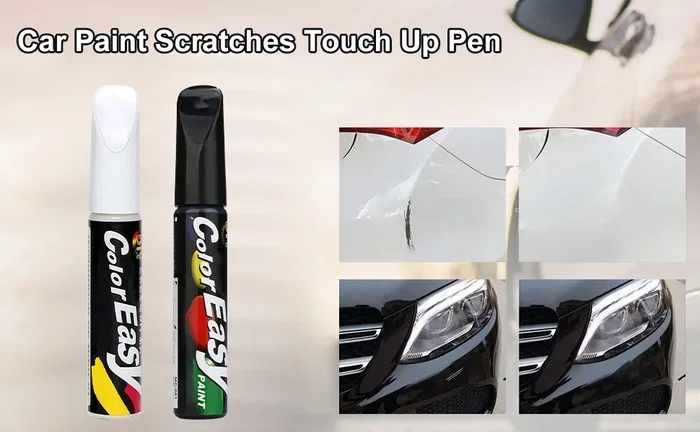
Touch up paint is a specialized paint designed to fill in small chips, scratches, and abrasions on your vehicle. It comes in many forms, including touch up pens, small bottles with brushes, and spray cans. The goal is simple: restore the appearance of your car’s finish without a full repaint.
But touch up paint does more than just improve looks. It acts as a barrier against moisture, dirt, and UV rays. When a chip exposes bare metal, that metal starts to oxidize. This leads to rust, which can spread quickly and cause serious structural damage over time.
How Touch Up Paint Works
Touch up paint is designed to bond with your car’s existing paint layer. Most vehicles have a multi-layer paint system. This includes a base coat that gives your car its color, a clear coat that provides shine and protection, and sometimes a primer layer underneath.
When you apply touch up paint, it fills the damaged area and bonds with the surrounding paint. The paint adhesion depends on several factors, including the condition of the surface, the temperature, and whether you use a primer coat. A paint blending technique helps the repair blend seamlessly with the rest of the panel.
When You Actually Need Touch Up Paint
Not every scratch needs touch up paint. Here are the common situations where it makes sense:
- Stone chips from highway driving that expose bare metal or primer.
- Minor scratches that have not reached the metal layer.
- Keying damage that removes the clear coat and base coat.
- Parking lot dings where the paint has chipped but the metal is intact.
- Rust spots that have been cleaned and need a fresh paint layer.
The key question is always the same. Does this damage reach the bare metal? If yes, you are dealing with rust prevention and paint durability concerns. If no, you might get away with a simple touch up without primer.
The Role of Primer in Paint Protection
Primer is often called the unsung hero of auto paint jobs. It sits between the bare metal and the paint, creating a smooth, sticky surface for the paint to grip. Without primer, the touch up paint has nothing to hold onto, especially on exposed metal surfaces.
What Primer Actually Does
Primer serves several important functions in the paint repair process:
- Improves adhesion between the metal and the paint layers.
- Prevents rust by sealing bare metal from moisture and oxygen.
- Creates a smooth surface for even paint application.
- Enhances color depth and makes the final paint layer look richer.
- Extends the life of the touch up repair by adding a protective barrier.
Think of primer as the foundation of a house. You can build without it, but the structure will be weaker and less stable. The same goes for automotive touch up without primer. It might hold for a while, but it will not last as long.
Types of Automotive Primer
Not all primers are the same. Here are the most common types used in car paint repair:
- Etching primer – Bonds directly to bare metal and creates a rough surface for paint to grip.
- Filler primer – Covers small imperfections and creates a smooth surface for blending.
- Self-etching primer – Combines etching and priming in one step. Great for DIY repairs.
- High-build primer – Fills deeper scratches and uneven surfaces before painting.
For most touch up repairs, a self-etching primer is the best choice. It is easy to apply, dries quickly, and provides excellent paint adhesion on small areas.
Can You Apply Touch Up Paint Without Primer?
So, can you apply touch up paint without primer? Yes, you can. But the real question is whether you should. The answer depends on the depth of the damage and the condition of the exposed surface.
When Skipping Primer Works
There are situations where applying touch up paint without primer is perfectly fine:
- Surface-level scratches that have not penetrated the base coat or exposed bare metal.
- Very small chips where the clear coat is damaged but the base coat is intact.
- Cosmetic touch ups where the goal is temporary appearance improvement.
- Paint that is still fresh on a newer vehicle with a healthy paint job.
In these cases, the surrounding paint is still intact. The touch up paint bonds with the existing paint layers, and the risk of rust or peeling is low. A touch up pen works especially well for these minor issues because it applies a thin, precise layer of paint directly to the damaged spot.
When Primer Is Non-Negotiable
There are other situations where you should never skip primer:
- Exposed bare metal from deep chips or gouges. This is a rust risk.
- Damage that reaches the primer layer on the factory paint, meaning the metal is exposed.
- Large repair areas where the touch up paint needs strong bonding.
- Vehicles exposed to harsh weather like salt, rain, and extreme sun.
- Repairs on older vehicles where the existing paint is thin or oxidized.
In these cases, skipping primer is a gamble. The touch up paint may look good at first, but it will likely peel, bubble, or fail within weeks. And worse, the exposed metal underneath can rust quickly, turning a small cosmetic issue into a costly repair.
Risks of Applying Touch Up Paint Without Primer
Understanding the risks helps you make an informed decision. Here is what can go wrong when you skip the primer step.
Adhesion Problems
The most common issue with skipping primer is poor paint adhesion. Touch up paint needs something to grip onto. On bare metal, there is nothing for it to bond with. On damaged paint, the existing layers may be too smooth or too oxidized for the new paint to stick.
When adhesion fails, the paint chips off, flakes, or peels away. This leaves the damaged area looking worse than before the repair. You end up needing to redo the entire process, and the damage may have worsened in the meantime.
Rust and Corrosion Concerns
Rust is the silent killer of car panels. When bare metal is left unprotected, it reacts with moisture and oxygen. This creates iron oxide, which is rust. Rust spreads fast and can eat through metal in a matter of months.
Without primer, your touch up paint sits on top of the bare metal without sealing it. Moisture can still seep in through micro-cracks and edges. Over time, this leads to hidden rust that you cannot see until it is too late.
Color Matching Issues
Even with perfect color match touch up paint, the result can look off without primer. Primer helps the paint settle evenly and brings out the true depth of the color. Without it, the repair may look flat, dull, or slightly different from the surrounding paint.
This is especially noticeable on darker colors like black, navy, and deep red. These colors rely on the primer layer to achieve their rich, uniform appearance. Skipping primer can make the repair stand out instead of blending in.
Step-by-Step Guide to Touch Up Paint With and Without Primer
Whether you use primer or not, proper preparation is the key to a successful repair. Here is a detailed guide for both approaches.
Supplies You Need
Before you start, gather these supplies:
- Touch up paint matched to your vehicle’s paint code.
- Primer (if using a self-etching or filler primer).
- Sandpaper in fine grit (1500-2000 grit).
- Rubbing compound and polishing wax.
- Masking tape and painter’s tape.
- Microfiber cloths for cleaning and buffing.
- Alcohol or wax remover for surface prep.
- Small brush or applicator for precise paint application.
How to Apply Touch Up Paint Safely
Follow these steps for the best results, whether or not you use primer:
- Clean the area thoroughly with alcohol or wax remover. Remove all dirt, grease, and wax.
- Sand the damaged area lightly with fine-grit sandpaper. This creates a rough surface for better adhesion.
- Apply primer if the damage reaches bare metal. Use a thin, even coat and let it dry completely.
- Apply touch up paint in thin layers. Let each layer dry before adding the next.
- Blend the edges using a paint blending technique so the repair fades into the surrounding paint.
- Apply clear coat for protection and shine.
- Buff and polish the repaired area once everything is dry.
Quick Tips for Best Results
- Work in a shaded area away from direct sunlight. Heat causes paint to dry too fast and can lead to bubbling.
- Apply thin coats rather than one thick coat. Thin coats dry evenly and bond better.
- Wait between layers according to the paint manufacturer’s instructions.
- Use a toothpick or fine brush for precise application on small chips.
- Test the paint on a hidden area first to check the color match.
- Keep the paint bottle warm in your pocket or in warm water before application. Warm paint flows better and smoother.
Comparison: Touch Up Paint With vs. Without Primer
| Factor | With Primer | Without Primer |
|---|---|---|
| Adhesion Strength | Excellent | Poor to Moderate |
| Rust Protection | Full protection | Minimal to none |
| Color Depth | Rich and even | Flat and dull |
| Durability | Long-lasting (years) | Short-term (weeks to months) |
| Application Time | Longer | Faster |
| Cost | Slightly higher | Lower |
| Best For | Deep chips, bare metal, older cars | Surface scratches, minor chips |
As the table shows, using primer gives you significantly better results in almost every category. The only real advantage of skipping primer is speed and simplicity. For a quick cosmetic fix, that may be enough.
Expert Insights on Touch Up Paint and Primer
We asked several experienced auto body technicians about their thoughts on applying touch up paint without primer. Here is what they had to say.
“I see a lot of DIYers skip primer, and most of them end up coming back with peeling paint within a few months. Primer is cheap insurance. It costs a few dollars and saves you from a much bigger problem down the road.” Mark D., Certified Auto Body Technician
“For surface-level chips where the metal is not exposed, I tell customers they can skip primer. But the moment you see bare metal, primer is mandatory. I have seen rust form in as little as two weeks on unprotected chips.” Sarah L., Paint and Body Specialist
“The biggest mistake people make is not preparing the surface properly. Even with primer, if the area is dirty or greasy, the paint will not stick. Clean the area first, sand lightly, then apply primer and paint.” James R., Automotive Paint Expert
These expert opinions reinforce the same message. Primer is not always mandatory, but surface preparation always is. If you are going to skip primer, make sure the damage is truly surface-level and that you clean and sand the area properly first.
Common Mistakes to Avoid When Skipping Primer
If you decide to apply touch up paint without primer, avoid these common mistakes:
- Applying paint to a dirty surface. Dirt, wax, and grease prevent proper bonding. Always clean the area first.
- Using too much paint at once. Thick coats take longer to dry and are more likely to peel. Apply thin, even layers.
- Ignoring rust at the damage site. If you see any rust, clean it completely before applying any paint. Use a rust converter or sand it away first.
- Skipping the clear coat. The clear coat protects the paint and gives it shine. Without it, the repair looks dull and is more vulnerable to damage.
- Not matching the paint code correctly. Always use the exact paint code for your vehicle. Even slight color differences will be noticeable.
- Applying paint in direct sunlight or high heat. This causes the paint to dry too fast and results in a rough, uneven finish.
- Not letting layers dry fully. Rushing the process leads to smudging, bubbling, and poor adhesion.
By avoiding these mistakes, you can improve the outcome of your car paint repair even without using primer. But remember, these tips only go so far. For deeper damage, primer remains the best choice.
How to Decide if You Should Use Primer
Still not sure whether to use primer? Use this simple decision guide:
- Use primer if: The damage reaches bare metal, the scratch is deep, the vehicle is older, or you live in a harsh climate.
- Skip primer if: The scratch is surface-level, the clear coat is only damaged, the chip is very small, or you need a quick temporary fix.
When in doubt, use primer. It is inexpensive, easy to apply, and provides peace of mind that your automotive touch up will last. The few extra minutes it takes to apply primer can save you from a much larger repair bill down the road.
Final Thoughts on Touch Up Paint and Primer
The answer to can you apply touch up paint without primer is yes, but with important caveats. For minor surface scratches and tiny chips, you can often get away without primer. The touch up paint will bond with the existing paint layers and provide a temporary cosmetic fix.
However, for any damage that exposes bare metal, primer is essential. It provides the adhesion, rust protection, and durability that touch up paint alone cannot offer. Think of primer as the foundation that makes your repair last.
The best approach is always to assess the damage honestly. Look at the depth of the scratch or chip. Check if metal is visible. Consider your climate and driving conditions. Then make an informed decision based on what is best for your vehicle, not just what is fastest.
With the right preparation, the correct touch up paint, and the proper technique, you can keep your car looking great for years to come. Whether you use primer or not, the most important step is always proper surface preparation. Clean, sand, and apply with care, and your car paint repair will look professional and last a long time.
Frequently Asked Questions
Can I use touch up paint without primer on a small chip?
Yes, for very small chips that do not reach bare metal, you can apply touch up paint without primer. The surrounding paint provides enough surface for the touch up paint to bond with. Just make sure the area is clean and dry before application.
What happens if I apply touch up paint directly on bare metal?
Applying touch up paint directly on bare metal without primer leads to poor adhesion, peeling, and rapid rust formation. The paint has nothing to grip onto, and moisture can reach the metal underneath. Always use a primer coat on exposed metal for lasting results.
How long does touch up paint last without primer?
Without primer, touch up paint typically lasts a few weeks to a few months, depending on the size of the repair and driving conditions. Surface-level repairs may last longer, but the lack of primer means the paint is more vulnerable to chipping, peeling, and environmental damage.
Is primer the same as base coat?
No, primer and base coat serve different purposes. Primer is applied to bare or damaged surfaces to improve adhesion and protect against rust. Base coat is the colored paint layer that gives your car its appearance. The base coat goes on top of the primer.
Can I apply clear coat over touch up paint without primer?
Yes, you can apply clear coat over touch up paint even without primer, but the results will be less durable. Clear coat adds shine and protection, but without primer, the touch up paint may not adhere well to bare metal or damaged paint surfaces.
What is the best primer for DIY touch up repairs?
A self-etching primer is the best choice for most DIY touch up repairs. It bonds well to bare metal, is easy to apply, and does not require extensive sanding. Look for a primer that is compatible with your vehicle’s paint type and always test on a small hidden area first.
=== CONCLUSION ===
Can you apply touch up paint without primer? Absolutely, but it is not always the best choice. For minor, surface-level damage, skipping primer can save you time and effort. For deeper chips and scratches that expose bare metal, primer is essential for a lasting, professional-quality repair.
The key takeaway is this: always assess the damage before you start. If the metal is exposed, use primer. If it is just a surface scratch, you can skip it. And no matter what, proper surface preparation makes all the difference. Clean the area, sand lightly, and apply paint in thin, even layers.
With these tips in mind, you are ready to tackle your next car paint repair with confidence. Your vehicle deserves the best care, and now you have the knowledge to provide it. Happy repairing.