Do Alfa Romeo Cars Have a Lot of Problems Explained
Do Alfa Romeo cars have a lot of problems? The short answer is yes, they tend to have more issues than many mainstream brands. Alfa Romeo reliability ranks below average in most consumer reports and owner surveys. However, many problems are manageable with proper Alfa Romeo maintenance and care. This guide covers the most common Alfa Romeo common issues, repair costs, and what you can do to keep your car running smoothly.
Do Alfa Romeo cars have a lot of problems? It is a question that comes up often among car buyers. The Italian luxury brand has a passionate fan base. But it also has a reputation for reliability concerns. If you are considering an Alfa Romeo, you want the full picture. This article breaks down the real issues, the costs, and what you can do about them.
Many car shoppers love the design and driving feel of Alfa Romeo vehicles. The styling is gorgeous. The engines sound fantastic. But beauty comes with a price. Owners frequently report electrical gremlins, turbo failures, and costly repairs. Alfa Romeo reliability has been a hot topic for years. Let us dive deep into what is really going on with these Italian machines.
Key Takeaways
- Alfa Romeo reliability is below average: Most rankings place Alfa Romeo near the bottom for dependability.
- Electrical and engine issues dominate: These are the most reported problems across Alfa Romeo models.
- Maintenance costs are higher than average: Italian car maintenance parts and labor cost more than mainstream brands.
- Regular servicing helps a lot: Staying on top of oil changes and inspections reduces many common issues.
- Newer models are improving: Recent years have seen better build quality and fewer reported problems.
- Warranty coverage matters: Alfa Romeo offers a competitive warranty that helps offset early repair costs.
- Ownership experience varies: Your experience depends heavily on the model year and how well you maintain the car.
📑 Table of Contents
Understanding Alfa Romeo Reliability
When we talk about Alfa Romeo reliability, we need to look at the data. Consumer Reports, J.D. Power, and RepairPal all rank Alfa Romeo below average. The brand consistently lands in the bottom half of reliability surveys. But what does that really mean for you as a buyer or owner?
What the Reliability Ratings Say
Most automotive rating agencies use a simple scale. They look at complaint frequency, repair costs, and owner satisfaction. Alfa Romeo typically scores low on these metrics. Here is a quick look at what the numbers tell us:
- Consumer Reports: Alfa Romeo ranks below most competitors in predicted reliability.
- J.D. Power: Initial quality scores are mixed. Long-term dependability is weaker.
- RepairPal: Annual repair costs are higher than the industry average.
- Owner Surveys: Many owners report multiple issues within the first few years.
These numbers do not mean every Alfa Romeo is a disaster. But they do mean you should go in with your eyes open. Alfa Romeo ownership experience can be great if you are prepared for the extra attention your car may need.
Why Alfa Romeo Brands Struggle with Reliability
There are several reasons why Alfa Romeo brand reputation suffers on reliability. First, the brand focuses heavily on performance and design. Practicality and bulletproof engineering take a back seat. Second, Alfa Romeo uses complex systems. Twin-scroll turbos, direct injection, and advanced electronics all add potential failure points. Third, the brand has had ownership changes. These shifts sometimes affect long-term quality control.
Italian car maintenance is also a factor. Not every mechanic knows how to work on Alfa Romeos. Specialized tools and training are often required. This can lead to misdiagnosed problems and unnecessary repairs. Finding a qualified technician matters more for Alfa Romeo than for most brands.
Common Alfa Romeo Problems by Model
Different Alfa Romeo models have different weaknesses. The Giulia and Stelvio are the most popular models right now. But older models like the 4C and Giulietta also have their quirks. Let us look at the most reported Alfa Romeo common issues across the lineup.
Alfa Romeo Giulia Problems
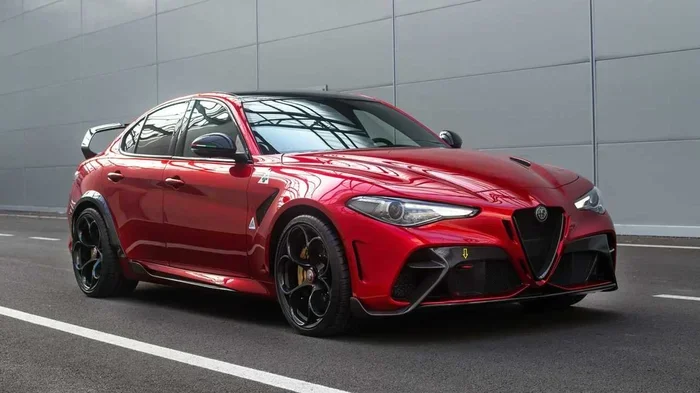
The Giulia is a stunning sedan. It drives beautifully. But it has its share of Alfa Romeo Giulia problems. Here are the most common issues owners face:
- Electrical system failures: Faulty sensors, flickering dashboards, and infotainment glitches are common.
- Turbo coolant leaks: The 2.0-liter turbo engine can develop coolant leaks over time.
- Transmission hesitancy: Some owners report rough or delayed shifting with the 8-speed automatic.
- Suspension wear: The sport suspension parts wear out faster than on many competitors.
- Oil consumption: Some engines burn oil faster than expected, requiring frequent top-offs.
These issues do not mean the Giulia is a bad car. But they do mean you should budget for repairs. Regular Alfa Romeo maintenance can prevent many of these problems from becoming serious.
Alfa Romeo Stelvio Problems
The Stelvio is the SUV version of the Giulia platform. It shares many of the same Alfa Romeo engine problems and electrical issues. Here is what Stelvio owners commonly report:
- Engine overheating: Some models have experienced overheating issues, especially in hot climates.
- Electrical module failures: The control modules for various systems can fail unexpectedly.
- Brake wear: The performance brakes wear out faster than on typical SUVs.
- Infotainment bugs: The Uconnect system can freeze or restart without warning.
- Wheel bearing noise: Premature wheel bearing wear has been reported on some models.
The Stelvio is a fun and stylish SUV. But its luxury car problems are real. If you are buying used, always get a thorough inspection.
Older Alfa Romeo Models and Their Issues
Older Alfa Romeos have a different set of challenges. The 4C is a mid-engine sports car with its own quirks. The Giulietta is a compact hatch that has been popular in Europe. Here are some broad patterns seen in older models:
- Rust and corrosion: Some older models are prone to rust, especially in northern climates.
- Clutch failures: Manual transmission clutches can wear out prematurely.
- Timing belt issues: Neglected timing belt replacements can lead to catastrophic engine damage.
- Cooling system failures: Water pumps and thermostats fail more often than expected.
- Ignition coil problems: Misfires caused by failing ignition coils are a frequent complaint.
These issues are not unique to Alfa Romeo. But they do show up more often than on competing brands. Sports car reliability has always been a trade-off for driving excitement.
Alfa Romeo Maintenance and Repair Costs
One of the biggest concerns for potential buyers is cost. Do Alfa Romeo cars cost more to fix? The answer is yes, in most cases. Alfa Romeo repair costs run higher than the national average. Let us break down where the money goes.
Average Annual Repair Costs
RepairPal estimates the average annual repair cost for an Alfa Romeo at around $600 to $800. Compare that to about $400 to $500 for Toyota or Honda. The difference is significant. Over five years of ownership, you could easily spend $1,000 to $2,000 more on repairs.
Here are some common repair cost examples:
- Oil change: $150 to $250, depending on the model and oil type.
- Brake pads and rotors: $400 to $700 per axle.
- Turbo replacement: $2,000 to $4,000 if the turbo fails.
- Electrical module replacement: $500 to $1,500 depending on the part.
- Suspension components: $300 to $800 per component.
These numbers can vary widely. Location, model year, and driving habits all play a role. But the bottom line is clear. Italian car maintenance costs more than caring for a mainstream vehicle.
Why Alfa Romeo Repairs Are Expensive
Several factors drive up the cost of Alfa Romeo maintenance. First, parts are more expensive. The brand is a premium, low-volume manufacturer. Second, labor rates are higher. Not every shop can work on these cars. Specialist mechanics charge more. Third, diagnostic equipment for Alfa Romeo vehicles is costly. Shops need specialized tools to properly diagnose issues.
Also, the complexity of modern Alfa Romeo engines adds to repair bills. Twin-scroll turbos, direct fuel injection, and variable valve timing all have more parts that can fail. Simpler engines are cheaper to fix. The Alfa Romeo approach prioritizes performance over repair simplicity.
Why Alfa Romeo Cars Experience So Many Issues
Understanding the root causes helps you be a smarter owner. Why do Alfa Romeo cars have so many problems? Let us look at the big picture.
Engineering Priorities
Alfa Romeo builds cars for enthusiasts first. They care about handling, sound, and looks. Reliability takes a back seat. This is not necessarily a bad thing. Many buyers choose Alfa Romeo for the driving experience. But it does mean you accept a trade-off. You get excitement and style. You may lose some peace of mind.
The brand also pushes technological boundaries. Advanced systems are exciting. But they also introduce new failure modes. More electronics mean more things that can go wrong. This is a pattern seen across the luxury and sports car segments.
Build Quality Concerns
Some owners have raised concerns about Alfa Romeo build quality. Fit and finish can be inconsistent. Panel gaps may not be perfectly aligned. Interior materials sometimes feel less durable than on competing luxury brands. These issues do not affect every car. But they are common enough to be noticed.
Quality control at the factory has also been questioned. Stellantis, the parent company, has faced criticism for production standards. When a brand builds fewer cars, attention to detail can suffer. This is an ongoing challenge for Alfa Romeo.
Parts Availability and Supply Chain
Alfa Romeo parts availability can be a problem, especially for older models. Since the brand is low-volume, parts are not always in stock. Wait times for certain components can be long. This means your car sits longer in the shop. It also means you may pay more for parts that are harder to source.
For newer models, parts are more readily available. But even then, delivery times can be longer than for mainstream brands. If your car needs a repair, you may be without transportation for a while. Planning ahead for service appointments is important.
How to Reduce Problems with Your Alfa Romeo
The good news is that you can take steps to minimize issues. Proper care goes a long way with Alfa Romeo vehicles. Here are practical tips to keep your car running its best.
Follow the Maintenance Schedule Strictly
Do not skip oil changes. Do not ignore warning lights. The maintenance schedule exists for a reason. Alfa Romeo engines are turbocharged and run hot. They need clean oil and fresh fluids. Staying on top of service intervals is the single best thing you can do.
Use the recommended oil grade. Do not switch to cheaper alternatives. The engine tolerances are tight. Cheap oil may not provide adequate protection. Stick with what the manufacturer specifies.
Find a Qualified Mechanic
This is critical for Alfa Romeo ownership. Not every shop can properly service these cars. Look for a technician with Alfa Romeo experience. A dealer service center is one option. But independent specialists can often provide better value.
Build a relationship with your mechanic. They will learn your car’s quirks. They can spot problems before they become expensive. A good mechanic is worth their weight in gold for any luxury car problems situation.
Address Small Issues Immediately
Do not ignore a small rattling noise. Do not put off a check engine light. Small problems become big problems fast on Alfa Romeo vehicles. The systems are interconnected. One failure can trigger others. Early intervention saves money and headaches.
Keep an eye on your fluid levels. Check for leaks under the car. Listen for unusual sounds when driving. These simple habits can catch issues early.
Drive with Care
Alfa Romeo cars are built for spirited driving. But harsh driving accelerates wear. Avoid redlining the engine every time you get behind the wheel. Allow the engine to warm up in cold weather. Be gentle with the clutch if you drive a manual. Treating your car well pays off in reliability.
Keep Software Updated
Modern Alfa Romeos have complex software. Manufacturers release updates that fix bugs and improve performance. Check with your dealer about available updates. A simple software fix can resolve issues that seem like hardware problems.
Is an Alfa Romeo Worth the Risk?
This is the question every buyer asks. Are Alfa Romeo cars worth the potential headaches? The answer depends on your priorities and budget.
If you love Italian design and driving dynamics, Alfa Romeo delivers. No other brand offers quite the same experience. The cars are engaging and beautiful. For the right owner, the trade-offs are worth it.
But if you need a dependable daily driver with low repair costs, look elsewhere. Brands like Toyota, Honda, and Mazda offer better reliability. They cost less to own over time. The choice is personal.
Consider buying a newer model. Recent years have shown improvement. Quality control has gotten better. Alfa Romeo reliability is trending in the right direction. A 2022 or 2023 model is likely to be more dependable than an older one.
Also, factor in the warranty. Alfa Romeo offers a competitive warranty package. This helps cover early repair costs. Use it to your advantage. Stay on top of covered issues before they expire.
Finally, buy from a trusted source. Whether new or used, get a full vehicle history report. A pre-purchase inspection by an independent mechanic is essential. Knowledge is your best defense against Alfa Romeo common issues.
Key Takeaways
- Alfa Romeo reliability is below average: Most rankings place Alfa Romeo near the bottom for dependability compared to mainstream brands.
- Electrical and turbo issues dominate: These are the most frequently reported problems across the Giulia, Stelvio, and older models.
- Maintenance costs run higher: Alfa Romeo repair costs exceed the national average due to parts, labor, and complexity.
- Finding a specialist mechanic is crucial: Not every shop can properly diagnose and fix Italian car maintenance issues.
- Newer models show improvement: Recent years have seen better build quality and fewer reported problems.
- Proper care makes a big difference: Following the maintenance schedule and addressing small issues early reduces long-term problems.
- Ownership is a trade-off: You get style, performance, and driving excitement. You may sacrifice some reliability and pay more for repairs.
Frequently Asked Questions
Are Alfa Romeo cars reliable?
Overall, Alfa Romeo cars rank below average in reliability. Most consumer reports and owner surveys place the brand near the bottom. However, newer models have shown improvement in Alfa Romeo reliability. Regular maintenance and careful ownership can help reduce issues significantly.
What is the most common problem with Alfa Romeo cars?
The most common problems are electrical failures, turbo coolant leaks, and transmission issues. These affect models like the Giulia and Stelvio the most. Alfa Romeo electrical issues are particularly frequent and can be frustrating to diagnose and repair.
How much does it cost to maintain an Alfa Romeo?
Annual maintenance and repair costs typically range from $600 to $800 or more. This is higher than the industry average for most brands. Alfa Romeo maintenance cost is driven by expensive parts, specialist labor, and the complexity of the vehicles.
Is it worth buying a used Alfa Romeo?
It can be worth it if you love the brand and accept the risks. Buy a newer model with a full history report. Get a pre-purchase inspection from a qualified mechanic. Budget extra money for potential repairs. Alfa Romeo ownership experience can be rewarding if you are prepared.
Do newer Alfa Romeo models have fewer problems?
Yes, recent models have shown meaningful improvement. Quality control and Alfa Romeo build quality have gotten better in the latest generations. If reliability is a top concern, a newer model is a smarter choice than an older one.
How can I prevent problems with my Alfa Romeo?
Follow the maintenance schedule strictly, find a qualified mechanic, and address small issues immediately. Use the recommended fluids and parts. Drive with care and keep software updated. These steps significantly reduce the chance of major Alfa Romeo engine problems or electrical failures.
=== CONCLUSION ===
Do Alfa Romeo cars have a lot of problems? The honest answer is yes, they tend to have more issues than most mainstream brands. Alfa Romeo reliability is below average. Repair costs are higher. Electrical and engine problems show up more often than they should. But the brand also offers something special. The driving experience is unmatched. The design is stunning. The passion behind every car is real.
If you are willing to accept the trade-offs, an Alfa Romeo can be a rewarding choice. Stay on top of Alfa Romeo maintenance. Find a good mechanic. Budget for repairs. And enjoy the ride. The car is not just transportation. It is an experience. For the right owner, that experience is worth every penny and every headache.
Knowledge is your best tool. Now you know what to expect. You know the common Alfa Romeo common issues. You know the costs and the causes. Armed with this information, you can make a confident decision. Whether you buy or pass, you will do so with your eyes wide open. That is the best way to approach any car purchase.