3 Percent Window Tint Visibility: What You Need to Know
3 percent window tint visibility is extremely low, allowing only 3% of light to pass through your car windows. This ultra-dark tint offers maximum privacy and heat rejection but comes with strict legal limits and safety concerns. Understanding what you are getting into before tinting your windows can save you time, money, and headaches.
Key Takeaways
- 3 percent tint is nearly black: It allows only 3% visible light transmission, making it one of the darkest options available.
- Legal restrictions vary by state: Many states do not allow 3 percent tint on front side windows or windshields.
- Night driving becomes challenging: Reduced visibility at night is a real concern with this darkness level.
- UV and heat protection are excellent: Even at 3 percent, the tint blocks most harmful rays and solar heat.
- Professional installation is recommended: DIY attempts often lead to bubbles, peeling, and uneven application.
- Factory tint is usually lighter: Most stock window tints range from 15 to 20 percent VLT.
- Quality film matters: Cheaper films degrade faster and may turn purple or bubble over time.
📑 Table of Contents
- What Is 3 Percent Window Tint and How Does Visibility Work?
- Why People Choose 3 Percent Tint for Their Cars
- Legal Regulations: Can You Legally Use 3 Percent Tint?
- Night Driving and Visibility Concerns with 3 Percent Tint
- 3 Percent Tint vs Other Popular Tint Shades Compared
- Common Mistakes People Make When Choosing Dark Tint
- How to Get the Most Out of Your 3 Percent Window Tint
- Final Thoughts on 3 Percent Window Tint Visibility
What Is 3 Percent Window Tint and How Does Visibility Work?
When you hear the term 3 percent window tint, it refers to the visible light transmission (VLT) percentage. VLT measures how much light passes through your car window film. A 3 percent tint only lets 3% of outside light into the vehicle. That means 97% of light gets blocked.
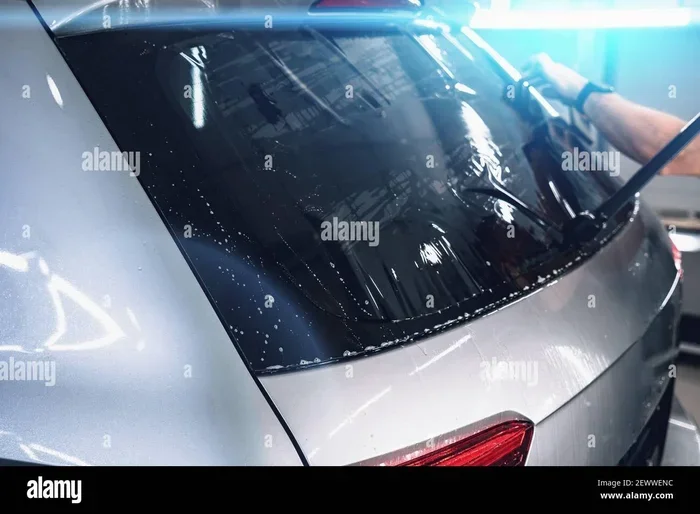
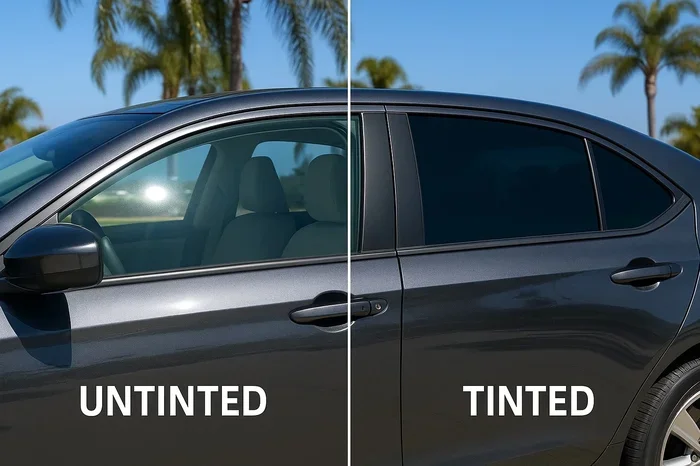
This level of tint darkness is among the darkest you can buy for automotive use. It creates a very dark, almost opaque look on your car windows. People choose this shade for its sleek appearance and maximum privacy. But the trade-off is significant when it comes to seeing through the glass.
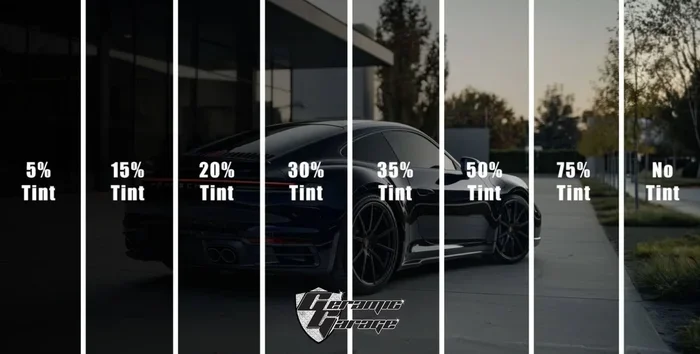
Understanding window tint darkness is essential before making a purchase. The lower the percentage, the darker the film. For comparison, a 50 percent tint blocks half the light, while a 5 percent tint is much darker. At 3 percent, you are pushing into the extreme end of the spectrum.
Most people associate dark tint with luxury cars and custom builds. But there is more to consider than just looks. Visibility, safety, and legal compliance all play a role in your decision. Let us break down exactly what to expect with this level of tint darkness.
How VLT Percentage Affects What You See
The VLT percentage directly impacts your driver visibility. With only 3% of light coming through, the interior of your car looks very dark from the outside. And from the inside, the outside appears significantly dimmer too.
During daylight hours, you can still see reasonably well through a 3 percent tint. However, shadows, glare, and reflections become more pronounced. Colors may appear muted, and fine details become harder to spot. This matters especially when reading road signs or spotting pedestrians.
At night or in low-light conditions, the challenge grows. Your eyes need more light to process visual information clearly. With a 3 percent film, the road ahead may feel much darker. Streetlights and oncoming headlights can create intense glare. This is why many drivers choose a slightly lighter shade for the front windows.
Why People Choose 3 Percent Tint for Their Cars
There are several reasons car owners go for the darkest tint available. Each reason ties back to personal preference and driving needs. Let us look at the most common motivations behind choosing this shade.
Maximum Privacy and Security
Privacy is the number one reason people pick dark tint. With a 3 percent film, nobody can see into your car from the outside. This is especially valuable if you carry valuables in your vehicle or simply prefer not to have passersby look in.
Security also plays a role. When people cannot see your belongings, the temptation to break in drops. This is a practical benefit that goes beyond aesthetics. Many parents and business professionals appreciate the extra layer of privacy this tint provides.
Heat Rejection and Solar Protection
Darker tint films tend to reject more solar heat than lighter shades. A 3 percent window film blocks a large portion of infrared radiation from entering your car. This keeps the interior cooler, especially during hot summer months.
Less heat means less reliance on your air conditioning system. Over time, this can improve fuel efficiency and reduce strain on your cooling system. Your car interior also lasts longer when it is not baked by the sun every day.
UV Ray Blockage
Even at 3 percent darkness, quality window film blocks up to 99% of harmful UV rays. This protects your skin during long drives. It also prevents your dashboard, seats, and trim from fading and cracking due to sun exposure.
UV protection is one of the hidden benefits of any tint job. You do not need to think about it once the film is installed. It works silently in the background every time you drive.
Legal Regulations: Can You Legally Use 3 Percent Tint?
Tint laws vary widely from state to state and country to country. Before you install a 3 percent film, you need to know what the rules are in your area. Getting caught with an illegal tint can lead to fines, citations, and even requiring you to remove the film.
Front Side Window Restrictions
Most states in the US require a higher VLT for front side windows. Many states mandate at least 70 percent or 50 percent VLT for the driver and passenger front doors. This means 3 percent tint on front side windows is illegal in most places.
Some states allow darker tints if the front side windows have a medical exemption. These exemptions require documentation from a licensed physician. The process varies, so check your local state regulations before assuming you can use this darkness level.
Rear Windows and Windshield Rules
The rear side windows and back windshield often have more relaxed rules. Many states allow 3 percent or even darker tint on rear windows. This is why some drivers tint only the back windows with a 3 percent film.
Windshield tint rules are the strictest of all. Most states only allow a small strip of tint along the top of the windshield, known as the AS-1 line. Full aftermarket tint film on the windshield is usually prohibited regardless of the darkness level.
Penalties for Tint Violations
Getting pulled over for illegal tint can result in a fix-it ticket or a fine. In some states, the fine can be quite expensive. Repeated violations may lead to points on your license or even vehicle inspection failure.
It is always better to research the laws in your area first. A quick search for your state’s legal tint laws can save you a lot of trouble. When in doubt, choose a slightly lighter shade that keeps you compliant.
Night Driving and Visibility Concerns with 3 Percent Tint
This is where 3 percent window tint gets tricky. Night driving with such a dark film presents real challenges. Your ability to see pedestrians, animals, obstacles, and road signs drops significantly.
How Dark Tint Affects Night Vision
Your eyes rely on available light to see clearly at night. When a film blocks 97% of that light, your vision suffers. Streetlights and headlights from other cars become your main light sources.
With a 3 percent tint, those light sources create more glare and halos. The contrast between bright lights and dark roads becomes more extreme. This can cause eye strain and fatigue during long night drives.
Some drivers adapt over time. But if you frequently drive on dark rural roads or in areas with poor lighting, this tint level may not be ideal for your front windows.
Tips for Safer Night Driving with Dark Tint
- Keep your windshield clean: Clean glass reduces glare and improves clarity.
- Replace worn wiper blades: Streaky wipers worsen visibility at night.
- Use your headlights properly: Switch between high and low beams as needed.
- Reduce interior dashboard brightness: Dimming your gauges helps your eyes adjust to the dark.
- Consider a lighter tint on front windows: Many drivers use 5 or 7 percent on the front and 3 percent on the rear.
Quick Tips for 3 Percent Tint Owners
- Always use your defroster sparingly on heavily tinted windows to avoid film damage.
- Wait at least 3 to 5 days before rolling down your windows after installation.
- Clean your tinted windows with a soft cloth and ammonia-free cleaner.
- Consider a ceramic window film for better heat rejection without extra darkness.
- Ask your installer about a warranty that covers bubbling, peeling, and fading.
3 Percent Tint vs Other Popular Tint Shades Compared
Choosing the right tint shade depends on your priorities. Some drivers want maximum darkness. Others prioritize visibility and safety. Let us compare 3 percent tint against other popular options.
| Tint Shade | VLT Percentage | Darkness Level | Best For | Legal on Front Windows? |
|---|---|---|---|---|
| 3 Percent | 3% | Extremely Dark | Max privacy, show cars | Rarely |
| 5 Percent | 5% | Very Dark | Privacy, heat rejection | Usually No |
| 20 Percent | 20% | Moderately Dark | Daily driving, style | Often Yes |
| 35 Percent | 35% | Light to Medium | Balanced look and function | Yes |
| 50 Percent | 50% | Light | UV protection, glare reduction | Yes |
| Factory Tint | 15-20% | Light to Medium | Stock privacy | Yes |
As you can see, 3 percent tint is at the extreme end of the scale. It is best suited for rear windows where visibility concerns are lower. For front side windows, a lighter shade usually makes more sense for daily driving.
Common Mistakes People Make When Choosing Dark Tint
Many car owners regret their tint choice because of avoidable mistakes. Learning from others’ errors can help you make a better decision. Here are the most common pitfalls to watch out for.
Ignoring Local Tint Laws
The biggest mistake is not checking your local regulations. Every state has different rules about how dark your tint can be. Installing a 3 percent film without knowing the law can lead to costly fines and forced removal.
Choosing Cheap Film
Budget tint films may seem like a good deal upfront. But they often fade, bubble, and peel within a year or two. Cheap aftermarket tint film also tends to distort colors and reduce visibility more than quality options. Investing in a reputable brand pays off in the long run.
Skipping Professional Installation
DIY tint kits are widely available, but they come with risks. Poor application leads to air bubbles, dust particles, and uneven edges. A professional tint installation ensures a smooth, bubble-free finish that lasts for years.
Overestimating Your Night Vision Needs
Some drivers assume they can handle dark tint at night. But the reality often hits differently once they are on the road. Be honest about your driving conditions and choose a tint level that matches your needs.
Expert Insight: What Tint Professionals Recommend
Most experienced tint installers recommend going with 3 percent only on rear windows. For the front side windows and windshield, they suggest staying between 20 and 35 percent. This combination gives you style, privacy, and keeps you safe on the road. Professionals also emphasize choosing a ceramic or carbon film for the best performance without signal interference.
How to Get the Most Out of Your 3 Percent Window Tint
If you have already decided that 3 percent window tint visibility is right for your rear windows, here is how to get the best results from your investment.
Pick the Right Film Type
Not all tint films are created equal. Ceramic films offer the best heat rejection and clarity. Carbon films provide a matte finish with excellent durability. Metallic films look great but can interfere with electronic signals. Choose based on your priorities and budget.
Maintain Your Tint Properly
Proper care extends the life of your tint significantly. Avoid harsh chemical cleaners. Use a microfiber cloth for wiping. Do not roll down your windows for the first few days after installation to let the film cure completely.
Know When to Replace
Even high-quality tint does not last forever. Signs that your film needs replacing include bubbling, peeling, purple discoloration, and reduced clarity. Most quality films last 5 to 10 years with proper care.
Final Thoughts on 3 Percent Window Tint Visibility
3 percent window tint visibility is a topic that comes with both appeal and responsibility. This ultra-dark tint offers incredible privacy, heat rejection, and UV protection. But it also demands respect for the legal limits and safety realities that come with it.
If you want a show-stopping look for your rear windows and live in an area where it is legal, 3 percent can be a great choice. Just make sure you understand the trade-offs. Reduced visibility at night, potential legal issues, and the need for professional installation all factor into the equation.
Take your time, do your research, and choose a reputable installer. The right window tint darkness for your car depends on your personal needs, driving habits, and local laws. When you get it right, a 3 percent tint can transform the look and feel of your vehicle for years to come.
Remember, the goal is not just to look good. It is to drive safely and stay compliant while enjoying the benefits of quality car window tinting. Keep these tips in mind, and you will make a choice you are happy with.
Frequently Asked Questions
Is 3 percent window tint legal in all states?
No, 3 percent tint is illegal in most states for front side windows and windshields. Some states allow it on rear windows only. Always check your local legal tint laws before installation to avoid fines or forced removal.
Can you see through 3 percent tint at night?
Seeing through 3 percent tint at night is very difficult. The film blocks 97% of outside light, which significantly reduces your ability to see the road, signs, and pedestrians. This is why many experts recommend lighter tints for front windows used during night driving.
Does 3 percent tint block UV rays effectively?
Yes, quality 3 percent window film blocks up to 99% of harmful UV rays regardless of its darkness level. This protects your skin and prevents your car interior from fading. Look for films with a dedicated UV protection rating for the best results.
How much does 3 percent tint installation cost?
Costs vary depending on the number of windows, film brand, and your location. Expect to pay between $200 and $500 for a full set of windows with premium ceramic film. Professional installation ensures the best results and longest durability.
Can I tint my front windows with 3 percent if I have a medical exemption?
Some states allow darker tint on front windows with a medical exemption. You will need a signed letter from a licensed physician. The rules and application process vary by state, so contact your local DMV or law enforcement agency for specific guidance.
How long does 3 percent window tint last?
With proper care and quality installation, 3 percent tint typically lasts 5 to 10 years. Ceramic and carbon films tend to outlast metallic options. Regular cleaning with ammonia-free products and avoiding early window rolling help extend the film’s lifespan.
=== CONCLUSION ===
3 percent window tint visibility is a powerful choice for drivers who want maximum privacy, style, and protection. But it comes with real trade-offs in visibility, legal compliance, and night driving safety. Understanding these factors before you tint your windows makes all the difference.
Choose the right shade for each window. Follow your local laws. Invest in quality film and professional installation. And maintain your tint properly to enjoy its benefits for years. With the right approach, your car window tinting will look great, perform well, and keep you safe on every drive.