Everything You Need to Know About 80 Percent Window Tint
80 percent window tint is a light automotive film that lets in most visible light while blocking harmful UV rays and reducing glare. It is one of the most popular choices for drivers who want heat rejection and interior protection without a dark look. This guide covers everything from legal rules to costs and installation tips.
Key Takeaways
- UV Protection: 80 percent window tint blocks up to 99% of harmful UV rays, protecting your skin and car interior.
- Heat Reduction: You can expect a noticeable drop in cabin temperature, making drives more comfortable in hot weather.
- Legal Compliance: Most states allow 80% tint on front side windows, but rules vary. Always check your local tint laws before installing.
- Affordable Option: Compared to darker tints, 80% film is typically more budget-friendly and easier to install.
- Glare Reduction: This tint level cuts down on sun glare without significantly darkening your view.
- Easy Installation: Many DIY kits are available, but professional installation ensures a bubble-free finish.
- Interior Preservation: By blocking UV and solar heat, 80% tint helps prevent fading of your dashboard and seats.
📑 Table of Contents
What Is 80 Percent Window Tint?
When you hear the term 80 percent window tint, it refers to a car window film that allows 80% of visible light to pass through the glass. This means the tint is very light and barely noticeable from the outside. It is one of the lightest tint options available in the automotive tint market today.
The visible light transmission, often called VLT, is the measurement used to describe how much light a tint film lets through. A higher VLT percentage means more light passes through. So an 80% tint has a VLT of 80, which is very high compared to darker films that might have a VLT of 5, 20, or 35.
Most 80 percent window tint films are made from dyed, metalized, or ceramic materials. Each type offers different levels of performance and durability. Dyed films are the most affordable, while ceramic films provide the best heat rejection and clarity. The window film is applied directly to the inside of your car windows using an adhesive backing.
People choose this tint level for many reasons. Some want a subtle upgrade to their car’s appearance. Others care more about UV protection and heat rejection than style. Whatever your reason, 80% tint offers a practical and affordable way to improve your driving experience.
How Is Tint Percentage Measured?
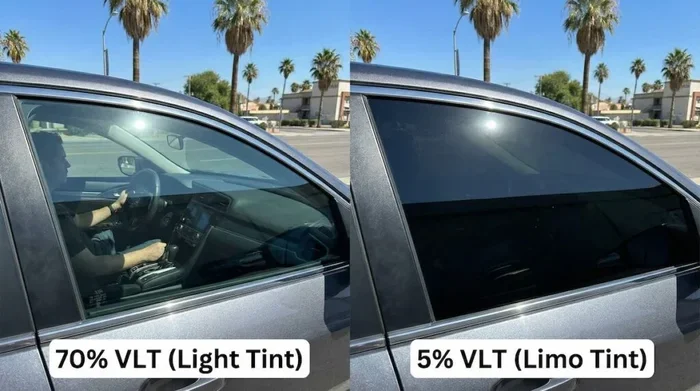
The percentage refers to the amount of visible light the film allows. It does not refer to how dark the tint looks. A 5% tint, often called a “limo tint,” lets in only 5% of light and looks very dark. An 80 percent window tint lets in 80% of light and looks almost clear. The difference is huge, and both serve different purposes.
When shopping for car window tinting, always ask about the VLT rating. This number will tell you exactly how light or dark the film is. It is the most important factor in choosing the right tint for your needs.
Top Benefits of 80 Percent Window Tint
80 percent window tint offers a range of practical benefits that make it a smart choice for any vehicle. Let us explore the top advantages in detail.
UV Protection for Your Skin and Car Interior
One of the biggest reasons people install automotive tint is to block harmful UV rays. Even though 80% tint is light, it can still block up to 99% of UVA and UVB radiation. This protects your skin from sun damage during long drives. It also prevents your dashboard, seats, and steering wheel from fading and cracking over time.
Think about how much time you spend in your car. Whether it is a daily commute or a road trip, your skin is constantly exposed to the sun through your windows. UV protection from 80 percent window tint adds a layer of defense that most people overlook.
Heat Rejection and Comfort
Nobody likes getting into a scorching hot car on a summer day. 80 percent window tint helps reduce solar heat buildup inside your vehicle. While it is not as dark as a 20% tint, it still provides meaningful heat reduction. You will notice your cabin stays cooler, and your air conditioning does not have to work as hard.
Better yet, less strain on your AC system can improve fuel efficiency over time. That is a nice bonus that many drivers do not think about.
Glare Reduction for Safer Driving
Sun glare can be dangerous, especially during early morning or late afternoon drives. 80 percent window tint cuts down on glare significantly without making your windows too dark. This means better visibility and fewer squinty moments on bright days.
Glare reduction also helps reduce eye fatigue on long road trips. Your eyes will feel less strained, which makes driving more comfortable and safer.
Privacy Without Going Too Dark
Some drivers want a bit of privacy tint but do not want the look of a heavily tinted car. 80 percent window tint offers a subtle level of privacy. People outside cannot easily see into your car, but you still have excellent visibility from the inside.
This makes it a great choice for people who carry valuables in their car or simply prefer a little more personal space while driving.
Quick Tips for Maximizing Benefits
- Combine 80 percent window tint on front windows with slightly darker tint on rear windows for a balanced look.
- Choose a ceramic tint film for the best heat rejection and clarity.
- Apply tint to all side windows for consistent UV protection.
- Clean your tinted windows with a soft cloth and ammonia-free cleaner.
How 80 Percent Tint Compares to Other Tint Levels
Not all tints are created equal. The percentage you choose affects everything from appearance to legal compliance. Here is how 80 percent window tint stacks up against other popular options.
| Tint Level | VLT | Best For | Heat Rejection | Privacy |
|---|---|---|---|---|
| 80% Tint | 80% | Light protection, UV blocking | Moderate | Low |
| 50% Tint | 50% | Balanced style and comfort | Good | Moderate |
| 35% Tint | 35% | Style, comfort, and glare reduction | Very Good | Good |
| 20% Tint | 20% | Privacy and heat rejection | Excellent | High |
| 5% Tint | 5% | Maximum privacy (limo tint) | Excellent | Very High |
As you can see, 80 percent window tint is the lightest option on the list. It is ideal for people who want the benefits of car window tinting without a dramatic change in appearance. If you prefer a darker look, you might consider 35% or 20% tint instead.
Which Tint Level Is Right for You?
Your choice depends on what you value most. If you want maximum visibility and a subtle upgrade, go with 80%. If you want a sporty look with better heat rejection, 35% or 20% might be a better fit. Always consider your local tint laws before making a decision, as some states restrict how dark your tint can be.
Expert Insight
Automotive tint specialists often recommend starting with 80 percent window tint for first-time tint buyers. It is forgiving, easy to maintain, and provides enough UV and heat protection to make a real difference. Once you experience the benefits, you may want to upgrade to a darker tint on your next vehicle.
Is 80 Percent Window Tint Legal?
Tint laws vary from state to state and country to country. In most places, 80 percent window tint is perfectly legal for front side windows. This is because it is so light that it does not significantly reduce visibility. However, you should always verify the rules in your specific area before installation.
Understanding VLT Laws
Most states regulate tint based on the VLT percentage. For front side windows, the legal minimum is often around 70% VLT, which means 80% tint is generally compliant. Rear windows and back windshields often have different rules, and some states allow darker tints on the back seat windows.
Here are some general guidelines to keep in mind:
- Front side windows: Most states require 70% VLT or higher. 80% tint almost always passes.
- Rear side windows: Many states allow any darkness on rear side windows.
- Windshield: Tinting the top portion of the windshield is often allowed, but full windshield tint is usually illegal.
- Reflective tint: Some states restrict reflective or mirrored tint film on any window.
Common Mistakes Drivers Make With Tint Laws
The most common mistake is assuming all tint is legal everywhere. Another is not getting a window tinting service that provides a certification or receipt showing the VLT of the film installed. If you get pulled over, having documentation can save you from a ticket. Always ask your installer for a tint certificate.
Common Mistakes to Avoid
- Skipping the research on local tint laws before buying film.
- Choosing a tint shop that does not provide VLT documentation.
- Assuming all automotive tint products are the same quality.
- Forgetting to factor in medical exemptions if you have a skin condition that requires extra UV protection.
How Much Does 80 Percent Window Tint Cost?
The cost of 80 percent window tint depends on several factors, including the type of film, the number of windows, and whether you choose professional installation or a DIY kit. On average, you can expect to pay between $50 and $200 for a full set of windows.
Factors That Affect the Price
The type of tint film you choose plays a big role in the price. Dyed films are the most affordable, usually costing $1 to $4 per square foot. Metalized films cost a bit more, around $2 to $5 per square foot. Ceramic films, which offer the best performance, can range from $4 to $10 per square foot.
Professional installation typically costs more than a DIY kit, but it delivers a much cleaner result. A pro will ensure there are no bubbles, peeling edges, or misalignment. If you are handy, a DIY kit can save you money, but it requires patience and the right tools.
Is 80 Percent Tint Worth the Cost?
Absolutely. For the price of a single car accessory, you get UV protection, heat rejection, glare reduction, and interior preservation. That is a lot of value for a relatively small investment. Plus, 80 percent window tint can increase the resale value of your car by protecting the interior from sun damage.
Money-Saving Tips
- Look for package deals when tinting multiple windows at once.
- Ask your local window tinting service about seasonal promotions.
- Consider a DIY kit if you have experience with car care projects.
- Choose a quality dyed film for budget-friendly UV protection.
Tips for Choosing the Best 80 Percent Window Tint
Not all 80 percent window tint products are created equal. Here are some tips to help you make the best choice for your car and your budget.
Consider the Film Type
Dyed films are the most common and affordable option. They offer decent UV protection and a clean look. Metalized films add a metallic layer that improves heat rejection and durability. Ceramic films are the premium choice, offering the best performance in heat rejection, UV blocking, and clarity without interfering with electronic signals.
If you use GPS, Bluetooth, or other wireless devices in your car, avoid metalized films. The metal layer can interfere with your signal. Ceramic tint film is the best choice for modern vehicles with lots of electronics.
Check the Warranty
A good window film should come with a warranty. Look for films that offer at least a 5-year warranty against bubbling, peeling, and fading. Some premium ceramic films come with lifetime warranties, which is a great sign of quality.
Choose a Reputable Installer
If you are not doing it yourself, take the time to find a reputable window tinting service. Read reviews, ask for referrals, and visit the shop in person if possible. A good installer will clean your windows thoroughly, apply the film without dust or bubbles, and provide you with a warranty card.
Think About Your Climate
If you live in a hot, sunny climate, prioritize heat rejection. A ceramic or metalized 80 percent window tint will make a bigger difference in your cabin temperature. If you live in a cooler climate, a dyed film might be all you need. The key is to match your tint choice to your local weather conditions.
Don’t Forget About the Rear Windows
While front windows get the most attention, your rear windows also benefit from automotive tint. UV rays hit the back seat just as hard as the front. Applying 80 percent window tint to all windows gives you consistent protection and a cohesive look.
Conclusion
80 percent window tint is a smart, practical, and affordable way to upgrade your car. It offers excellent UV protection, meaningful heat rejection, and glare reduction without making your windows too dark. Whether you are a first-time tint buyer or looking for a subtle upgrade, this tint level delivers real value.
The benefits extend beyond comfort. By blocking harmful rays and reducing solar heat, 80 percent window tint helps preserve your car’s interior and protects your skin. It is one of the best car accessories you can invest in for long-term value.
Now that you know everything about 80 percent window tint, you are ready to make an informed decision. Check your local laws, choose the right film type, and enjoy a more comfortable and protected ride every time you hit the road.
Frequently Asked Questions
Can I see clearly at night with 80 percent window tint?
Yes, absolutely. Because 80 percent window tint allows 80% of visible light through, it does not significantly affect nighttime visibility. This makes it one of the safest tint options for driving in low-light conditions.
Is 80 percent tint the same as a clear window?
Not exactly. While it looks very light, 80 percent window tint still provides UV protection and heat rejection that clear windows do not offer. The film adds a layer of protection that plain glass lacks.
How long does 80 percent window tint last?
With proper care, a good quality tint film can last between 5 and 10 years. Ceramic films tend to last the longest, while dyed films may fade or peel sooner. Regular cleaning with ammonia-free products helps extend the lifespan.
Can I install 80 percent window tint myself?
Yes, many DIY kits are available for this tint level. However, professional installation is recommended if you want a bubble-free, perfectly aligned finish. If you choose DIY, make sure you have the right tools and a dust-free environment.
Will 80 percent window tint bubble or peel over time?
High-quality window film should not bubble or peel if installed correctly. Choosing a reputable window tinting service and a film with a good warranty minimizes the risk of bubbling or peeling significantly.
Does 80 percent tint help with car resale value?
Yes, it can. By protecting your car’s interior from sun damage, 80 percent window tint helps keep your dashboard, seats, and steering wheel in better condition. A well-maintained interior can positively impact your car’s resale value.