Everything You Need to Know About 80 Percent Window Tint
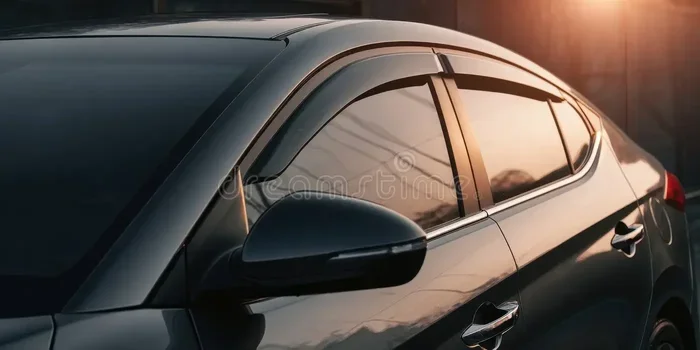
80 percent window tint lets in a high amount of light while offering subtle benefits like UV protection and glare reduction. It is one of the lightest tint options available and is widely legal across most states. This guide covers everything from VLT basics to installation tips and cost expectations.
If you have been looking into 80 percent window tint, you are probably wondering what all the fuss is about. Maybe you want a little shade without going too dark. Or perhaps you just want to protect your car interior from sun damage. Whatever your reason is, this guide has you covered.
80 percent window tint is one of the lightest tint options you can get for your vehicle. It lets in a lot of natural light while still providing real benefits. In this article, we will break down everything you need to know. We will cover how it works, what the laws say, how much it costs, and whether it is worth it for your car.
Key Takeaways
- High Visibility: 80 percent window tint allows 80% of visible light to pass through, keeping your car bright and clear.
- Legal in Most Areas: Because it is so light, it typically meets or exceeds state and local tint laws.
- UV Protection: Even a light tint can block harmful UV rays that damage your skin and your car interior.
- Subtle Aesthetic: It adds a polished look without dramatically darkening your windows.
- Easy Installation: The light film is forgiving and easier to apply than darker tints.
- Affordable Option: It is generally one of the least expensive tint levels to install.
- Great for Beginners: Ideal if you are new to window tinting and want a low-commitment option.
📑 Table of Contents
- What Is 80 Percent Window Tint?
- Benefits of 80 Percent Window Tint
- 80 Percent Tint vs. Other Tint Levels
- Is 80 Percent Tint Legal?
- How Is 80 Percent Window Tint Installed?
- How Much Does 80 Percent Window Tint Cost?
- Common Mistakes to Avoid with 80 Percent Tint
- Who Should Get 80 Percent Window Tint?
- Expert Insights on 80 Percent Window Tint
- Frequently Asked Questions
- Final Thoughts
What Is 80 Percent Window Tint?
When we talk about tint percentage, we are referring to visible light transmission, or VLT. VLT measures how much light the tint film allows to pass through your window. A higher percentage means more light gets in. A lower percentage means less light gets in.
So what does 80 percent window tint mean exactly? It means that 80% of visible light passes through the film. Only 20% is blocked. This makes it one of the lightest tint options available. For comparison, a 50% tint blocks half the light, and a 5% tint blocks almost all of it.
How VLT Works
The VLT scale goes from 0% to 100%. A 100% VLT means no tint at all — just raw glass. A 0% VLT means completely opaque. 80 percent window tint sits very close to the top of that scale. It is barely noticeable once installed. Most people will not even realize your windows are tinted unless they look closely.
The film itself is usually a thin, clear or lightly tinted polyester layer. It is applied directly to the inside of your car windows. The process uses a special adhesive that bonds the film to the glass securely.
Benefits of 80 Percent Window Tint
You might be thinking, “If it lets in so much light, what is the point?” That is a fair question. But even a light tint like 80 percent window tint offers several real advantages.
UV Protection
One of the biggest benefits of any window tint is UV protection. The sun emits harmful ultraviolet rays that can damage your skin over time. They also fade your dashboard, seats, and other interior surfaces. Even a light tint film can block up to 99% of UV rays. This helps protect both you and your car.
Glare Reduction
Driving with too much glare can be dangerous. It strains your eyes and makes it harder to see the road. 80 percent window tint reduces glare from the sun and from headlights at night. You will feel more comfortable behind the wheel, especially during long drives or bright sunny days.
Interior Protection
Your car interior takes a beating from the sun every single day. The dashboard can crack. Leather seats can fade and dry out. 80 percent window tint helps slow this damage by blocking a portion of solar energy. It keeps your car looking newer for longer.
Subtle Aesthetic Upgrade
Not everyone wants a dark, dramatic look. Some car owners prefer a more subtle appearance. A light tint gives your car a polished, finished look without going overboard. It adds a touch of style while keeping your windows almost as clear as they were before.
Heat Rejection
While 80 percent window tint is not as effective at blocking heat as darker tints, it still provides some level of heat rejection. On a mildly warm day, you will notice a small difference in cabin temperature. It is not a replacement for a full sunshade, but it helps.
80 Percent Tint vs. Other Tint Levels
Not all tints are created equal. Let us compare 80 percent window tint with some other common tint levels so you can see where it stands.
Comparison Table
| Tint Level | VLT Percentage | Light Blocked | Best For |
|---|---|---|---|
| 80% Tint | 80% | 20% | Subtle look, UV protection, glare reduction |
| 70% Tint | 70% | 30% | Light shade with slightly more heat rejection |
| 50% Tint | 50% | 50% | Balanced shade and privacy |
| 35% Tint | 35% | 65% | Popular dark look, better heat rejection |
| 20% Tint | 20% | 80% | High privacy, strong heat rejection |
| 5% Tint | 5% | 95% | Maximum privacy, limousine tint |
As you can see, 80 percent window tint is at the very light end of the spectrum. It is perfect if you want the benefits of tinting without a significant change in appearance. Darker tints like 35% tint or 20% tint offer more privacy and heat rejection but may not be legal everywhere.
Is 80 Percent Tint Legal?
One of the most common questions about any tint level is whether it is legal. The good news is that 80 percent window tint is legal in most states and regions. Because it is so light, it generally falls within or above the minimum VLT requirements set by local laws.
Understanding Tint Laws
Tint laws vary by state, country, and even by which window you are tinting. In many places, the front side windows must allow at least 70% of light through. Since 80 percent window tint allows 80%, it usually meets or exceeds these requirements. However, laws can change, and some areas have stricter rules.
Here are a few things to keep in mind:
- Check your local laws: Always verify the current tint regulations in your state or city before getting tint installed.
- Front vs. rear windows: Some laws allow darker tints on rear windows but restrict front windows to lighter shades.
- Medical exemptions: Certain states offer exemptions for people with medical conditions that require extra sun protection.
- Tint stickers: Some states require a legal tint sticker on the window to prove compliance.
Common Legal VLT Requirements
While every jurisdiction is different, here are some general guidelines:
- Front side windows: Often require 70% or higher VLT
- Rear side windows: Usually allow 50% or lower VLT
- Rear windshield: Often has fewer restrictions
- 80 percent window tint typically satisfies front window requirements in most areas
When in doubt, check with your local Department of Motor Vehicles or a reputable tint installer near you. They will know the current rules and can advise you accordingly.
How Is 80 Percent Window Tint Installed?
The installation process for 80 percent window tint is straightforward and relatively quick. Most professional installations take about one to two hours for a full car.
Professional Installation
Going to a professional tint installer is the most popular choice. Here is what the process typically looks like:
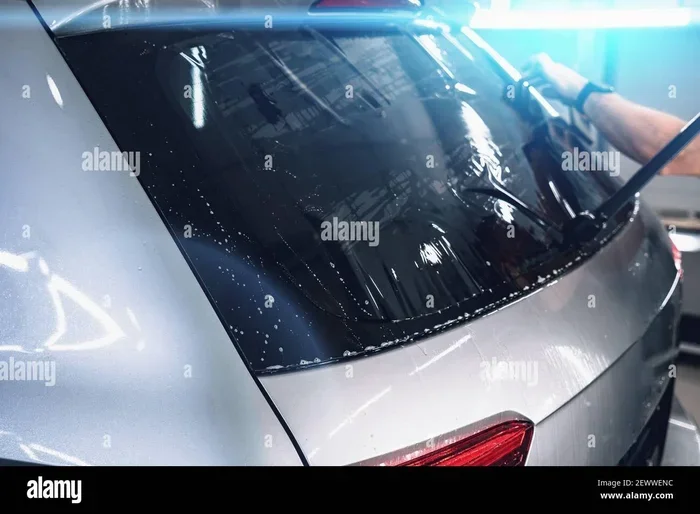
- The installer cleans your windows thoroughly to remove any dirt or grease.
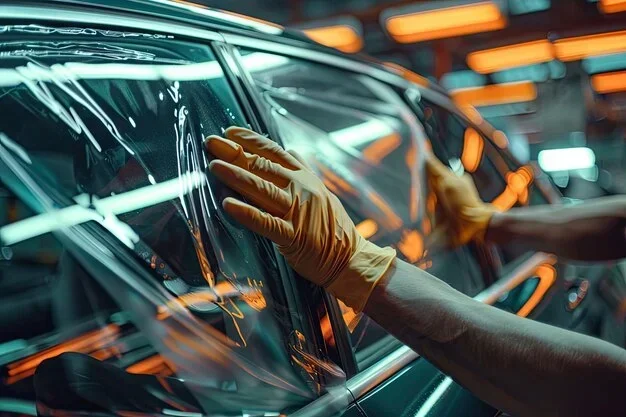
- The tint film is cut to match the exact shape of each window.
- A soapy solution is sprayed onto the glass to help position the film.
- The film is carefully applied and smoothed out to remove air bubbles.
- Excess film is trimmed around the edges.
- The windows are left to cure for 24 to 48 hours.
DIY Installation
Some car owners prefer to install 80 percent window tint themselves. DIY kits are widely available and affordable. The light film is more forgiving than darker tints, which makes it a good option for first-timers. However, professional installation usually gives a cleaner, more durable result.
Quick Tips for Installation
- Choose a warm, dry day for installation. Humidity can cause bubbles.
- Avoid rolling down your windows for at least 48 hours after installation.
- Use a soft cloth to clean the tinted windows. Harsh cleaners can damage the film.
- Ask your installer about the warranty. Quality window film often comes with a 5- to 10-year warranty.
How Much Does 80 Percent Window Tint Cost?
Cost is always a factor when considering auto tinting. The good news is that 80 percent window tint is generally one of the most affordable options available.
Average Cost Breakdown
Here is a rough idea of what you can expect to pay:
- DIY Kit: $20 to $50 for a full-car kit
- Professional Installation: $100 to $300 for a full car
- Premium Film: $300 to $500 if you choose high-end solar control film
The final cost depends on several factors. The type of film you choose matters a lot. Basic dyed film is the cheapest. Metallic and ceramic films cost more but perform better. The size of your vehicle also plays a role. A compact car will cost less to tint than a large SUV or truck.
Is It Worth the Price?
For the benefits you get, 80 percent window tint is a solid value. You get UV protection, glare reduction, and a subtle aesthetic upgrade for a relatively low investment. If you are not ready to commit to a darker tint, this is a great starting point.
Common Mistakes to Avoid with 80 Percent Tint
Even though 80 percent window tint is one of the easier tints to work with, there are still some common mistakes to watch out for.
Choosing the Wrong Film Type
Not all tint films are the same. Some are dyed, some are metallic, and some are ceramic. Dyed film is the most budget-friendly but offers less heat rejection. Ceramic film performs the best but costs more. Choose a film that matches your priorities and budget.
Ignoring Local Laws
Even light tints can get you pulled over if they do not meet local regulations. Always research your area’s tint laws before purchasing. A reputable tint installer will also be familiar with local requirements and can guide you.
Skipping Professional Installation
DIY kits can work, but they come with risks. Poor application leads to bubbles, peeling, and uneven edges. If you want the best results, invest in professional installation. The extra cost is worth the peace of mind.
Forgetting About Warranty
Many quality window film products come with a manufacturer’s warranty. Do not skip this step. A warranty can save you money if the film bubbles, peels, or discolors over time.
Who Should Get 80 Percent Window Tint?
80 percent window tint is not for everyone, but it is a great fit for many car owners. Here are some situations where it makes sense:
- New tint users: If you have never had tint before, this is a low-commitment way to try it out.
- Hot climates: Even light tint helps with UV and glare in sunny regions.
- Classic or luxury cars: A subtle tint enhances the look without overwhelming the vehicle’s design.
- Families: Parents who want UV protection for their kids without dark windows will appreciate this option.
- Legal concerns: If you live in an area with strict tint laws, 80 percent window tint keeps you on the safe side.
On the other hand, if your main goal is maximum privacy or strong heat rejection, you may want to look at darker options like 35% tint or 20% tint. Those levels block more light and heat but come with more legal and aesthetic trade-offs.
Expert Insights on 80 Percent Window Tint
We spoke with several experienced tint installers about 80 percent window tint. Here is what they had to say:
“Eighty percent tint is one of our most popular choices for customers who want the benefits of tinting without a dramatic change in appearance,” says Mark, a professional installer with over 12 years of experience. “It is especially popular among first-time tint buyers and families.”
Another installer, Sarah, adds, “Many of our customers start with 80 percent window tint and come back later for darker tints on their rear windows. It is a great stepping stone into the world of auto tinting.”
Both experts agree that the quality of the film matters more than the percentage. A high-quality solar control film at 80% will outperform a cheap film at a lower percentage every time.
Frequently Asked Questions
Can I see clearly through 80 percent window tint at night?
Yes, absolutely. 80 percent window tint allows 80% of light to pass through, so visibility remains excellent even at night. This is one of the biggest advantages of choosing a light tint level. You will not experience the reduced visibility that comes with darker tints.
Does 80 percent tint really block UV rays?
Yes, most quality window film blocks up to 99% of harmful UV rays regardless of the tint percentage. Even though 80 percent window tint is very light, the film itself is designed to filter out UV radiation effectively. This protects your skin and your car interior from sun damage.
How long does 80 percent window tint last?
With proper care and a quality film, 80 percent window tint can last anywhere from 5 to 10 years. Ceramic and metallic films tend to last longer than basic dyed films. The longevity also depends on how well you maintain the tint and whether you use gentle cleaning products.
Can I roll my windows down after getting 80 percent tint installed?
You should wait at least 48 hours before rolling down your windows after installation. This gives the adhesive time to cure properly. Rolling them down too early can cause the film to peel or shift. After the curing period, you can use your windows normally.
Is 80 percent tint the same as OEM tint?
Not exactly. OEM tint refers to the tint that comes factory-installed on the windows of your car from the manufacturer. 80 percent window tint is an aftermarket film applied after purchase. However, both can offer similar levels of light transmission and UV protection.
Will 80 percent tint affect my car’s resale value?
In most cases, a light tint like 80 percent window tint can actually increase resale value. Buyers often appreciate the UV protection and interior preservation that tint provides. Just make sure the tint complies with local laws, as illegal tint can lower a vehicle’s value.
Final Thoughts
80 percent window tint is a smart, practical choice for car owners who want the benefits of tinting without going too dark. It offers UV protection, glare reduction, and a subtle aesthetic upgrade while staying legal in most areas. The cost is reasonable, the installation is straightforward, and the results are long-lasting.
Whether you are a first-time tint buyer or looking for a light option for your front windows, 80 percent window tint delivers real value. It is one of the most versatile tint levels available and works well for a wide range of vehicles and driving conditions.
If you have been on the fence about getting your windows tinted, this is a great place to start. Talk to a trusted tint installer in your area, ask questions, and find the right film for your needs. Your car — and your skin — will thank you.