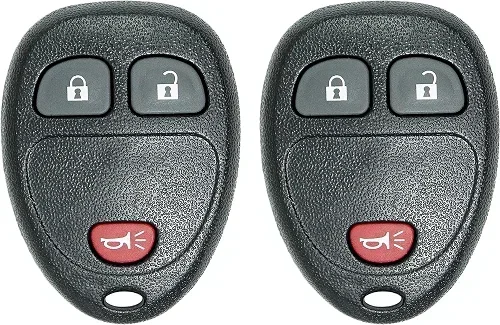
Are Aftermarket Key Fobs Bad Everything You Should Know
Aftermarket key fobs can be a smart and affordable choice for many car owners. They often work just as well as factory fobs at a fraction of the price. However, quality varies widely, and some budget options come with real risks. This guide covers everything from security concerns to programming tips so you can make a confident decision.
Your car key fob stops working. You search online and find a replacement for a few bucks. It looks almost identical to the original. But is it worth it? The short answer is: it depends. Aftermarket key fobs have a bad reputation in some circles, but the truth is far more nuanced. Many people save hundreds of dollars by choosing a quality third-party fob. Others end up frustrated with a device that barely works. This guide breaks down everything you need to know before you buy.
Whether you need a key fob replacement for a lost fob, a broken remote, or a spare, understanding your options matters. Not all aftermarket fobs are created equal. Some are excellent. Others are complete junk. By the end of this article, you will know exactly what to look for, what to avoid, and how to make the best choice for your car and your budget.
Key Takeaways
- Aftermarket key fobs are not inherently bad: Many high-quality options match OEM performance and save you significant money.
- Security is the biggest concern: Cheap fobs may lack proper encryption, leaving your vehicle more vulnerable to theft.
- Compatibility varies by vehicle: Always verify your car make, model, and year before purchasing a replacement fob.
- Programming can be tricky: Some aftermarket fobs require professional help, while others are easy to set up at home.
- Warranty and support matter: Reputable sellers offer guarantees and customer support that budget brands often skip.
- Battery life differs between brands: Higher-quality aftermarket fobs tend to last longer on a single coin cell battery.
- OEM fobs still win for luxury vehicles: If you drive a premium or newer model, the OEM fob may offer features aftermarket options cannot match.
📑 Table of Contents
- What Are Aftermarket Key Fobs?
- Are Aftermarket Key Fobs Bad? The Real Truth
- Aftermarket Key Fobs vs OEM Key Fobs
- Security Concerns with Aftermarket Key Fobs
- Programming Aftermarket Key Fobs
- Battery Life and Maintenance
- Common Problems with Aftermarket Key Fobs
- How to Choose the Right Aftermarket Key Fob
- When to Stick With OEM Key Fobs
- Final Thoughts
What Are Aftermarket Key Fobs?
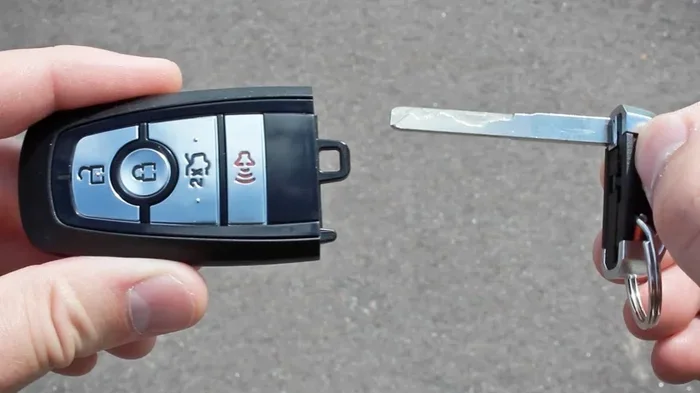
An aftermarket key fob is any remote keyless entry device made by a manufacturer other than your car’s original equipment maker. When you buy a new car, the factory includes a specific fob designed for that model. This is called the OEM fob, or original equipment manufacturer fob. Aftermarket fobs are made by third-party companies that produce compatible remotes for many different car brands.
These fobs look almost identical to the real thing. They usually have the same buttons, the same shape, and often the same color. The big difference is the price. A factory fob can cost anywhere from $100 to $600 or more. A good aftermarket key fob might cost $15 to $50. That price gap is the main reason so many people consider them.
How Do Aftermarket Key Fobs Work?
Most remote key fobs use radio frequency signals to communicate with your car. When you press the lock or unlock button, the fob sends a coded signal to the car’s receiver. The car recognizes the code and responds by locking or unlocking the doors. Smart key fobs used in newer vehicles add extra layers like proximity detection and push-button start.
Aftermarket fobs replicate this process. They contain a small circuit board, a crystal oscillator, and a battery. The quality of these components determines how well the fob performs. Cheaper fobs use lower-grade parts that may weaken over time. Better aftermarket fobs use components very close to OEM standards.
Are Aftermarket Key Fobs Bad? The Real Truth
The idea that all aftermarket key fobs are low quality is a myth. The reality is that the aftermarket market has a huge range. At one end, you have top-tier replacement fobs that rival factory products. At the other end, you have cheap no-name fobs that fall apart after a month. The key is knowing which is which.
Where the Bad Reputation Comes From
Many people had bad experiences with cheap key fobs sold on random websites. These ultra-budget fobs often have poor range, unreliable buttons, and weak signal strength. When someone buys one of these and it fails quickly, they blame all aftermarket fobs. That is not fair, but it explains why the reputation exists.
Another reason for the bad image is security. Some low-cost aftermarket key fobs do not include proper encryption or rolling codes. This makes them easier to clone or intercept. For older cars with basic security, this may not matter much. For modern vehicles with advanced anti-theft systems, it is a serious concern.
Where Aftermarket Fobs Shine
High-quality aftermarket key fobs offer real benefits. They cost a fraction of the OEM price. Many come pre-programmed or are easy to program yourself. The build quality of trusted brands is surprisingly close to factory fobs. For older cars, daily drivers, or vehicles where the OEM fob is discontinued, aftermarket options are often the only practical choice.
Key fob replacement does not have to break the bank. A well-chosen aftermarket fob can save you $50 to $400 compared to going through a dealer. That is a serious amount of money, especially if you need multiple spares.
Aftermarket Key Fobs vs OEM Key Fobs
Understanding the differences between aftermarket key fobs and OEM fobs helps you make a smart purchase. Let us look at the key comparison points.
Quality and Build
OEM fobs are built to exact factory specifications. The materials, the fit, and the finish are consistent. Aftermarket fobs vary. Premium aftermarket brands use similar materials and manufacturing processes. Budget brands cut corners on plastic quality, button feel, and internal components.
Key fob durability matters more than most people think. You use your fob every single day. A flimsy fob that cracks or stops working in six months is a false economy. Always check reviews and buy from reputable sellers when choosing an aftermarket key fob.
Range and Signal Strength
OEM fobs are tested to work reliably at the advertised range. Aftermarket key fobs can vary significantly in this area. A good aftermarket fob will have similar range to the original. A cheap one may struggle beyond a few feet. This matters especially in parking lots or when you are standing far from your car.
Features and Functionality
Modern vehicles offer advanced features through their smart key fobs. These include remote start, trunk release, panic alarms, and proximity-based entry. Not all aftermarket fobs support every feature. Before buying, confirm that the aftermarket fob you choose matches your car’s specific functions. Some features, like proximity sensing, are harder to replicate accurately in aftermarket versions.
Pricing Comparison
The price difference between OEM and aftermarket is the biggest draw. Here is a rough comparison:
- OEM dealer fob: $100 to $600+ depending on vehicle
- Premium aftermarket fob: $20 to $50
- Budget aftermarket fob: $5 to $15
- Programming cost (if needed): $50 to $150 at a locksmith
Even with programming costs, a quality aftermarket key fob can still save you a significant amount. The total cost often comes in well below half of what a dealer charges.
Security Concerns with Aftermarket Key Fobs
Security is the number one concern people have about aftermarket key fobs. And for good reason. Car theft using relay attacks and signal cloning has been rising. The type of fob you use plays a role in your vehicle’s vulnerability.
Rolling Codes vs Fixed Codes
Modern cars use rolling code technology. Every time you press the button, the fob sends a new, unique code. The car and fob stay synchronized. This prevents someone from recording your signal and replaying it later. OEM key fobs always use rolling codes. Some aftermarket fobs do too, but budget options may still use fixed codes.
Always check that the aftermarket key fob you buy uses rolling code encryption. This is especially important for newer vehicles. A fixed-code fob on a modern car is a security risk you should not take.
Transponder Keys and Immobilizers
Many cars also have transponder chips in the key blade. When you turn the ignition, the chip sends a unique ID to the car’s computer. If the ID does not match, the engine will not start. Aftermarket key fobs that include a transponder chip must be properly programmed to match your vehicle. A non-programmed transponder fob will let you lock and unlock the doors but will not start the engine.
This is an important distinction. If you only need remote functions, a basic aftermarket fob works fine. If you need push-button start or ignition access, you must ensure the transponder is correctly set up. Key fob programming for transponder systems often requires specialized equipment that a locksmith or auto parts store can provide.
How to Choose a Secure Aftermarket Fob
- Look for fobs that explicitly state rolling code support
- Buy from reputable sellers with good return policies
- Check if the fob includes a transponder chip if your car requires one
- Avoid the cheapest no-brand options for vehicles made after 2005
- Ask the seller about encryption standards before purchasing
Programming Aftermarket Key Fobs
One of the biggest questions about aftermarket key fobs is whether you can program them yourself. The answer depends on your vehicle and the specific fob.
Self-Programming Options
Many aftermarket key fobs come with self-programming instructions. The process usually involves turning the ignition on and off a specific number of times, then pressing buttons on the fob and the car in a sequence. It takes about five to ten minutes and does not require special tools.
Some vehicles make this very easy. Others require a dealer-level diagnostic tool. If your car falls into the second category, you will need a locksmith or a shop that can program the fob for you. Always check your vehicle’s programming requirements before purchasing an aftermarket key fob.
When to Use a Professional
If you are not comfortable with the self-programming process, a professional locksmith is your best bet. Most locksmiths can program remote key fobs on-site for a reasonable fee. Some auto parts stores also offer programming services. The cost is usually between $50 and $150, which is still far less than what a dealer charges.
Pro tip: When you buy an aftermarket fob, ask the seller if it comes pre-programmed. Some fobs are already set to a generic code and only need minimal setup. This can save you a trip to a locksmith entirely.
Common Programming Mistakes to Avoid
- Not following the exact sequence of steps
- Using a weak or dying battery in the new fob
- Trying to program too many fobs at once beyond the car’s limit
- Skipping the reset step after programming
- Buying a fob incompatible with your car’s year or trim level
Battery Life and Maintenance
Every key fob battery eventually needs replacement. The good news is that most fobs use standard CR2032 coin cell batteries, which are cheap and easy to find. But how long do they last?
A typical key fob battery life ranges from one to three years. OEM fobs and quality aftermarket fobs tend to last on the longer end of that range. Cheap aftermarket fobs sometimes drain the battery faster due to less efficient circuitry. If you notice your fob needing a new battery every few months, the fob itself may be low quality.
Tips to Extend Key Fob Battery Life
- Avoid pressing buttons unnecessarily
- Store the fob away from other electronic devices that cause interference
- Keep the fob away from extreme heat and cold
- Replace the battery with a fresh, name-brand CR2032 cell
- Clean the battery contacts with a dry cloth if the fob becomes sluggish
Common Problems with Aftermarket Key Fobs
Even the best aftermarket key fobs can have issues. Knowing what to expect helps you troubleshoot problems faster.
Limited Range
The most common complaint about budget aftermarket fobs is short range. You have to be very close to the car for it to respond. A quality aftermarket fob should work from at least 50 to 100 feet. If your replacement fob only works from a few feet away, it is likely a low-quality unit.
Buttons Stop Working
Cheap buttons on budget fobs wear out quickly. If you find yourself pressing harder or pressing multiple times to get a response, the fob may be failing. This is less common with reputable aftermarket brands but very typical with the cheapest options.
Interference From Other Devices
Key fob signal interference can happen with any fob, not just aftermarket ones. Parking near cell towers, other cars with similar fobs, or large metal structures can cause temporary issues. If the problem only happens in one location, it is probably interference, not a bad fob.
Fob Not Recognized by the Car
If your aftermarket key fob is not recognized at all, the most common causes are incorrect programming or incompatibility. Double-check that the fob matches your car make, model, and year exactly. Some trims and packages require different fob frequencies or chip types.
How to Choose the Right Aftermarket Key Fob
Not all aftermarket key fobs are created equal. Follow these steps to find the right one for your car.
Step 1: Identify Your Vehicle Details
You need your exact car make, model, year, and trim level. Some vehicles share the same fob across several model years but with different internal chips. The more specific you are, the easier it is to find a compatible aftermarket key fob.
Step 2: Check Compatibility
Before buying, confirm the fob is compatible with your vehicle. Reputable sellers list compatible makes and models clearly. If the listing does not mention your car, contact the seller and ask. Do not guess.
Step 3: Read Reviews
Customer reviews are your best friend when shopping for key fob replacement options. Look for reviews that mention long-term use, signal strength, and build quality. A fob with hundreds of positive reviews is a much safer bet than one with no reviews at all.
Step 4: Consider the Seller’s Return Policy
A good return policy tells you the seller stands behind their product. If the aftermarket key fob does not work or has defects, you should be able to return it for a refund or exchange. Avoid sellers with no return policy or difficult return processes.
Step 5: Decide on Programming
Some aftermarket fobs come pre-programmed. Others require you to program them yourself or pay a professional. Factor the programming cost and effort into your decision. A slightly more expensive fob that is easy to program may save you time and money overall.
When to Stick With OEM Key Fobs
Despite the savings, there are times when an OEM fob is the better choice. Understanding these situations helps you avoid costly mistakes.
If you drive a luxury or high-end vehicle, the OEM fob may offer features that aftermarket fobs cannot replicate. Advanced proximity sensors, touchscreen integration, and custom security settings often require the original fob. For these vehicles, the higher cost of an OEM key fob replacement may be justified.
Very new vehicles, especially those from the last two to three years, may also benefit from an OEM fob. The encryption standards and security protocols in these cars are more advanced, and aftermarket fobs may not fully support them yet. Check with your dealer if you are unsure.
Finally, if you have had bad experiences with aftermarket fobs in the past, sticking with OEM for peace of mind is perfectly reasonable. Your comfort and confidence with the device matter.
Final Thoughts
So, are aftermarket key fobs bad? The honest answer is no, not all of them. The aftermarket market offers a wide range of options, and quality varies just like any other product category. A well-chosen aftermarket fob from a reputable seller can work beautifully, save you money, and give you a reliable spare or replacement.
The key is doing your homework. Check compatibility, read reviews, understand your car’s security needs, and know when to choose OEM over aftermarket. With the right approach, you can get a great key fob replacement that keeps your car secure and accessible without draining your wallet.
Aftermarket key fobs are not the enemy. Low-quality, poorly made fobs from unknown sellers are the enemy. Avoid those, choose wisely, and you will likely be very happy with the savings and performance you get.
Frequently Asked Questions
Can aftermarket key fobs be as reliable as OEM fobs?
Yes, high-quality aftermarket key fobs from reputable brands can be just as reliable as OEM fobs. The key is to avoid ultra-cheap no-name options and buy from sellers with good reviews and return policies. Premium aftermarket fobs use similar components and meet comparable performance standards.
Will an aftermarket key fob void my car’s warranty?
In most cases, using an aftermarket key fob will not void your warranty. However, if a problem with the aftermarket fob causes damage to your car’s electrical system, the manufacturer might deny the related claim. Always check your warranty terms and consider OEM fobs for newer vehicles still under full warranty.
How do I know if my aftermarket key fob has rolling code encryption?
The seller should list the security features in the product description. Look for mentions of rolling code, encrypted signal, or anti-cloning technology. If the listing does not specify, contact the seller directly before purchasing. Avoid any aftermarket fob that does not mention its encryption method.
Can I program an aftermarket key fob myself?
Many aftermarket key fobs come with self-programming instructions that are easy to follow. The process usually involves a specific sequence of ignition key turns and button presses. However, some vehicles require professional programming equipment. Check your vehicle’s manual or search online for your specific model’s programming method.
Why does my aftermarket key fob have a shorter range than the original?
A shorter range usually indicates a lower-quality fob with a weaker transmitter. Cheap aftermarket fobs often use inferior components that reduce signal strength. If range is important to you, choose a well-reviewed aftermarket brand or consider upgrading to a premium third-party option rather than the cheapest available choice.
How long do aftermarket key fobs typically last?
A quality aftermarket key fob can last anywhere from two to five years with normal daily use. The battery typically needs replacement every one to three years. Budget aftermarket fobs may last only one to two years before buttons wear out or signal issues develop. Choosing a reputable brand significantly increases longevity.