Can I Add Remote Start To My Car?
Yes, you can add remote start to most cars with the right system and professional installation. Whether your vehicle has a push-button ignition or a traditional key, an aftermarket remote start can give you the comfort of warming up or cooling down your car before you step inside. This guide covers compatibility, costs, benefits, and everything you need to know about adding remote start to your car.
Imagine stepping outside on a freezing winter morning and getting into a warm car. Or walking to your vehicle on a hot summer day and finding a cool interior waiting for you. This is the magic of remote start. But can you actually add this feature to your car? The short answer is yes. The longer answer depends on your vehicle type, its existing systems, and the installation method you choose.
Adding a remote start system to your car is one of the most popular upgrades car owners make. It boosts comfort, adds convenience, and can even improve your vehicle’s security. Whether you drive a sedan, SUV, or truck, there is likely a remote start solution that fits your needs. In this guide, we will walk you through everything you need to know about adding remote start to your car in simple, clear terms.
We will cover how the system works, whether your car is compatible, what the installation process looks like, and how much it costs. By the end, you will have a solid understanding of whether remote engine start is right for you. Let us dive in.
Key Takeaways
- Remote start is addable to most vehicles: With the right system, you can add remote start to nearly any car, truck, or SUV.
- Compatibility matters: Factors like transmission type, key system, and engine design determine if your car can support remote start.
- Professional installation is recommended: While DIY kits exist, a pro ensures safe and proper wiring without voiding your warranty.
- Aftermarket systems are affordable: A basic remote start installation costs between $200 and $500 on average.
- Remote start offers real comfort benefits: Warm up your car in winter or cool it down in summer before you drive.
- Security features come included: Most modern remote start systems also enhance vehicle security with keyless entry and alarm integration.
- Factory remote start is available on some models: Check with your dealer if your car already supports remote start from the factory.
📑 Table of Contents
- What Is a Remote Start System?
- Can You Add Remote Start to Any Car?
- How to Add Remote Start to Your Car
- Benefits of Adding Remote Start to Your Car
- Potential Downsides to Consider
- How Much Does Remote Start Installation Cost?
- Common Mistakes to Avoid When Adding Remote Start
- Expert Insights on Remote Start Installation
- Final Thoughts: Is Adding Remote Start Worth It?
What Is a Remote Start System?
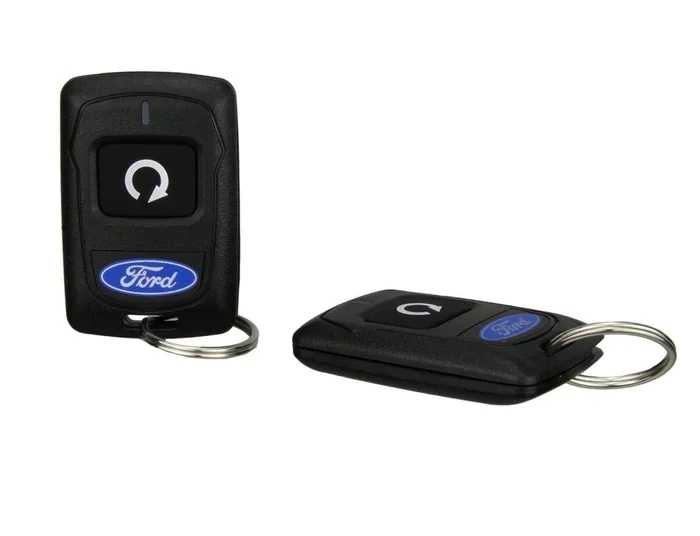
A remote start system is a device that lets you start your car’s engine from a distance. You press a button on a key fob or a smartphone app, and the vehicle ignites without you being inside. Most systems let you start the engine from 500 to 3,000 feet away, depending on the model and signal strength.
The system does more than just turn the key remotely. It locks the doors, engages the climate control, and prepares the engine for driving. Once you are inside and insert the key or press the start button, the car is ready to go. Some advanced systems also include keyless entry and auto start features that let the car start itself based on a schedule or temperature trigger.
How Does Remote Start Work?
Here is a simple breakdown of how a remote starter works. When you press the button on your fob, a signal goes to the receiver module installed in your car. The module sends a command to the ignition system to start the engine. At the same time, it activates the accessories and locks the doors. The car stays running until you either turn it off manually or set a timer for automatic shutdown.
Modern systems use encrypted signals to prevent theft. This means someone cannot simply copy your fob signal and steal your car. The transponder key recognition ensures that only your specific fob can start the engine. This added layer of vehicle security is one reason many car owners choose to install a remote start system.
Can You Add Remote Start to Any Car?
The honest answer is: it depends. Most cars built after 2000 can support an aftermarket remote start system. However, some vehicles are easier to retrofit than others. The key factors include your car’s ignition system, transmission type, and whether it already has push button start technology.
Older cars with traditional keys are usually the easiest to add remote start to. Newer vehicles with advanced computer systems may require a more specialized module. Let us look at the main compatibility factors in detail.
Factory Remote Start vs Aftermarket Remote Start
Some cars come with factory remote start already built in. If your vehicle is one of them, you simply need to use the feature or possibly upgrade the fob. Check your owner’s manual or ask your dealer to find out. Many luxury brands like BMW, Mercedes, and Lexus offer factory remote start on higher trim levels.
For most other vehicles, an aftermarket remote start system is the way to go. Aftermarket systems are widely available and work with a huge range of makes and models. Popular brands like Compustar, Viper, and DroneMobile offer reliable options at various price points. The good news is that aftermarket installation has become very refined over the years, and the systems work almost as well as factory-installed ones.
Vehicle Compatibility Factors
Before you buy a remote start kit, you need to check a few things about your car. Here are the main factors that determine compatibility:
- Transmission type: Automatic transmission vehicles are generally easier to add remote start to. Manual transmission cars can also support remote start, but they require a neutral safety switch and clutch interlock, which adds complexity.
- Push button start: Cars with push button start need a bypass module to trick the system into thinking the key is present. This module is included in most quality remote start kits.
- Keyless entry system: If your car already has keyless entry, adding remote start is often a smoother process since the wiring may already be in place.
- Car alarm integration: Many remote start systems work with your existing car alarm or include one in the package. This gives you better vehicle security overall.
- Engine type: Gasoline engines are the most straightforward to retrofit. Diesel engines may require a different approach and specialized kits.
How to Add Remote Start to Your Car
Adding remote start to your car involves choosing the right system and having it installed properly. You have two main paths: professional installation or a DIY approach. Both have their pros and cons, and the right choice depends on your comfort level with car electronics.
Professional Installation
Most experts recommend going with professional installation for remote start. A trained technician knows how to wire the system correctly without damaging your car’s electrical components. They also understand how to integrate the bypass module with your vehicle’s immobilizer system safely.
During a professional install, the technician will:
- Mount the remote start control module in a hidden, secure location under the dashboard.
- Wire the module into your car’s ignition system, power supply, and starter motor.
- Install the bypass module if your car has push button start or a transponder key system.
- Connect the remote start fob and pair it with the control module.
- Test the entire system to make sure the auto start feature works properly and the car starts and stops without issues.
Professional installation typically takes two to four hours, depending on your vehicle’s complexity. The peace of mind that comes with a clean, warranty-safe installation is well worth the extra cost.
DIY Installation
If you are handy with car electronics, a DIY remote start installation is possible. Many aftermarket remote start kits come with detailed wiring diagrams and instructions. You will need basic tools like wire strippers, crimpers, and a multimeter. Some kits also include a plug-and-play interface that minimizes the need for cutting wires.
However, DIY installation carries risks. Incorrect wiring can damage your car’s electrical system or void your factory warranty. If you are not confident in your skills, it is best to leave this job to a professional. The cost difference between DIY and professional installation is usually not worth the risk of making a wiring mistake.
Quick Tips for a Smooth Installation
- Choose a high-quality kit: Brands like Compustar, Viper, and DroneMobile offer reliable remote start systems with strong warranties.
- Check your vehicle’s wiring diagram: Every car has a specific wiring layout. Find yours online or in a repair manual before you begin.
- Label every wire: If you are going the DIY route, label each wire clearly before you make any connections.
- Test before closing up: Always test the system with the dashboard open before you put everything back together.
- Keep your receipt: Save all purchase and installation documentation for warranty and insurance purposes.
Benefits of Adding Remote Start to Your Car
There are many reasons car owners choose to install a remote start system. These benefits go far beyond just pressing a button from your couch. Let us look at the top advantages.
Comfort in extreme weather. This is the number one reason people install remote start. In winter, you can warm up your car and melt the ice off your windshield before you step outside. In summer, you can turn on the air conditioning and walk into a cool car. This is especially valuable for people who live in places with harsh winters or scorching summers.
Improved vehicle security. A good remote start system also works as a security tool. The car stays locked while the engine runs. If someone tries to tamper with the vehicle, the car alarm will trigger. Some systems also include GPS tracking, which lets you locate your car if it is ever stolen.
Engine health. Letting your car warm up before driving can reduce engine wear, especially in cold weather. Cold oil does not lubricate engine parts as well, and a few minutes of idle time helps the oil circulate. While modern engines do not need long warm-up periods, a brief auto start session can still be beneficial.
Convenience. You can start your car from inside your home, garage, or office. This means you never have to sit in a freezing or sweltering car just to get it comfortable. It is a small luxury that makes a big difference in your daily routine.
Potential Downsides to Consider
Before you rush to install a remote starter, it is important to know the potential downsides. Being informed helps you make the best decision for your situation.
Installation cost. While remote start installation is not overly expensive, it is still an added cost. A basic aftermarket system with professional installation will run you between $200 and $500. Premium systems with smartphone app control can cost $500 or more. This is a worthwhile investment for many, but it is still a consideration.
Warranty concerns. Some car owners worry that adding remote start will void their factory warranty. In most cases, if the installation is done properly and does not cause damage, it should not affect your warranty. However, it is always a good idea to check with your dealer before proceeding.
Fuel idling. A car that idles for long periods uses fuel. If you start your car and leave it running for 15 minutes every morning, that adds up over time. Most experts recommend starting the car and driving it within a few minutes. This warms the engine faster and uses less fuel than extended idling.
Legal restrictions. Some areas have laws about leaving a car running unattended. Make sure you are aware of any local regulations before using your remote start system. In most cases, simply locking the car and walking away is perfectly legal, but it never hurts to check.
How Much Does Remote Start Installation Cost?
The cost of adding remote start to your car depends on the type of system you choose and whether you go with professional or DIY installation. Here is a general breakdown of what to expect.
| System Type | Average Cost | Features |
|---|---|---|
| Basic Aftermarket Remote Start | $200 – $350 | Key fob control, 1-way signal, basic security |
| Mid-Range Remote Start | $350 – $500 | 2-way feedback, longer range, keyless entry |
| Premium Smartphone-Controlled | $500 – $800+ | App control, GPS tracking, climate scheduling |
| Factory Remote Start (Dealer) | $500 – $1,200+ | Integrated with factory systems, seamless experience |
The table above shows that aftermarket remote start is generally more affordable than going through a dealer for factory installation. For most car owners, a mid-range aftermarket system strikes the best balance between features and cost.
Keep in mind that prices can vary based on your location, your vehicle model, and the complexity of the installation. Cars with push button start or transponder key systems may require an additional bypass module, which adds $50 to $100 to the total cost.
Common Mistakes to Avoid When Adding Remote Start
Even with the best intentions, some car owners make mistakes during the remote start installation process. Here are a few common ones to watch out for.
- Choosing the wrong system: Not all remote start kits work with every car. Make sure you buy a system that is compatible with your vehicle’s make, model, and year.
- Skipping the bypass module: If your car has push button start or an immobilizer system, you need a bypass module. Skipping this step will result in the car not starting remotely.
- Ignoring wiring diagrams: Every car has a unique wiring setup. Using a generic wiring guide can lead to incorrect connections and potential electrical damage.
- Not testing the system: Always fully test the remote start system before closing up the dashboard. Check the start, stop, lock, and unlock functions.
- Forgetting about maintenance: Like any car feature, your remote start system may need occasional maintenance. Keep the fob battery fresh and have the system checked during routine service visits.
Expert Insights on Remote Start Installation
We spoke with several automotive technicians about the ins and outs of adding remote start to cars. Here is what the experts had to say.
Choose quality over price. The cheapest remote start kit on the shelf is not always the best choice. A reliable system from a trusted brand will last longer, work more consistently, and come with better customer support. Spending a little more upfront can save you headaches down the road.
Consider your climate. If you live in an area with extreme cold or heat, a remote start system with climate control scheduling is a game changer. You can set your car to warm up or cool down at specific times, so it is always comfortable when you need it.
Do not skip the warranty check. Before you have any work done on your car, check with your dealer about how aftermarket installations might affect your warranty. A reputable installer will work with you to ensure your vehicle security and warranty remain intact.
Final Thoughts: Is Adding Remote Start Worth It?
So, can you add remote start to your car? In most cases, absolutely yes. Whether you choose a basic aftermarket system or invest in a premium smartphone-controlled setup, the benefits of remote engine start are clear. You get comfort, convenience, and improved vehicle security all in one upgrade.
The key is to choose the right system for your vehicle, have it installed properly, and use it responsibly. With the right approach, adding remote start to your car is one of the most satisfying upgrades you can make. It is a small investment that pays off every single day, especially during the coldest and hottest months of the year.
If you have been on the fence about remote start, now is a great time to take the next step. Talk to a local auto electronics shop, research the best remote start kits for your vehicle, and enjoy the comfort of starting your car from anywhere. You will wonder how you ever lived without it.
Frequently Asked Questions
Can I add remote start to a car with a manual transmission?
Yes, you can add remote start to a manual transmission car, but it requires a clutch interlock switch. This switch ensures the car does not move when started remotely. The installation is slightly more complex than for automatic transmissions, but it is definitely doable with the right kit.
Will adding remote start void my car warranty?
In most cases, no. As long as the installation is done properly and does not cause damage, it should not void your factory warranty. However, it is always best to check with your dealer beforehand. Some manufacturers have specific guidelines about aftermarket accessories and warranty coverage.
How far can I start my car with a remote start system?
Most remote start systems have a range of 500 to 3,000 feet. Basic one-way fob systems tend to have shorter ranges, while advanced two-way systems and smartphone-controlled options can reach the full 3,000-foot distance. Walls, buildings, and other obstacles can reduce the effective range.
Is it safe to leave my car running with remote start?
Yes, it is generally safe. Modern remote start systems lock the doors automatically and shut off the engine if someone tries to shift the car into gear. Most systems also have a timer that turns off the engine after a set period, usually 10 to 15 minutes. Always make sure your car is in park or neutral before walking away.
Can I install a remote start system myself?
You can, but it is not recommended unless you have experience with car electronics. DIY installation can lead to wiring mistakes that damage your car’s electrical system. Professional installation ensures the system works correctly and safely, and it often comes with a warranty on the labor.
What is the best remote start brand for most cars?
Brands like Compustar, Viper, and DroneMobile are widely regarded as top choices for aftermarket remote start systems. They offer a range of options at different price points, from basic kits to advanced smartphone-controlled systems. Choose based on your budget, vehicle compatibility, and the features you want most.
=== CONCLUSION ===
Adding remote start to your car is a smart, practical upgrade that enhances comfort, convenience, and security. With the right system and professional installation, most vehicles can enjoy the benefits of remote engine start. Whether you brave cold winters or hot summers, starting your car from a distance is a game changer. Take the time to research compatible systems, compare costs, and choose a trusted installer. Your future self will thank you every time you step into a warm or cool car without lifting a finger.