Can a Bad Temperature Sensor Cause Overheating Issues
A faulty temperature sensor can absolutely lead to engine overheating by sending wrong data to your car’s computer. When the coolant temperature sensor fails, it disrupts the entire engine cooling system, causing poor fuel mix, fan failure, and overheating. Recognizing early overheating symptoms saves you from costly repairs and keeps your vehicle running safely.
Your car’s temperature sensor might look small, but it plays a huge role in keeping your engine healthy. When this little part goes bad, it can cause some serious problems — including overheating. Many drivers ignore early warning signs until the damage becomes expensive. So, can a bad temperature sensor cause overheating? The short answer is yes, and here is everything you need to know about it.
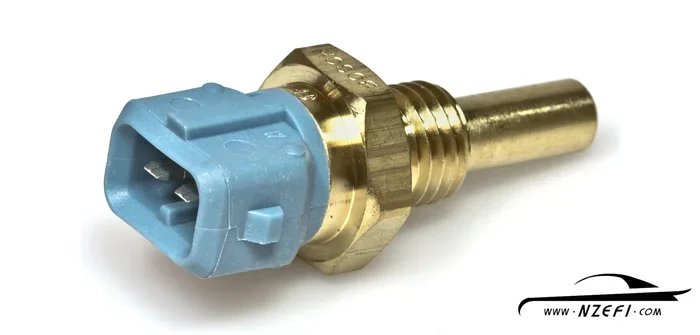
The coolant temperature sensor is one of the most important parts of your engine’s cooling system. It tells your car’s computer what temperature your engine is running at. When it fails, the computer gets bad information and makes poor decisions. This can lead to overheating, poor performance, and even engine failure if you do not fix it quickly.
Key Takeaways
- Sensor Failure Directly Affects Cooling: A bad temperature sensor sends incorrect readings to the ECU, which can cause the engine to overheat.
- Multiple Symptoms Signal a Problem: Warning lights, erratic temperature gauges, poor fuel economy, and engine misfires all point to a failing sensor.
- DIY Testing Is Possible: You can test your sensor at home with a multimeter and basic tools.
- Replacement Is Affordable: A new coolant temperature sensor costs between $20 and $150, making it a budget-friendly fix.
- Ignoring the Issue Is Dangerous: Driving with a bad sensor can lead to severe engine damage like a blown head gasket or warped engine block.
- Prevention Is Simple: Regular coolant flushes and routine check-ups keep your temperature sensor and cooling system in top shape.
📑 Table of Contents
- What Is a Temperature Sensor and How Does It Work?
- Can a Bad Temperature Sensor Cause Overheating?
- Common Symptoms of a Bad Temperature Sensor
- How to Diagnose a Faulty Temperature Sensor
- What Happens If You Ignore a Bad Temperature Sensor?
- How to Replace a Bad Temperature Sensor
- Preventing Temperature Sensor and Overheating Problems
- Temperature Sensor vs. Other Overheating Causes
What Is a Temperature Sensor and How Does It Work?
Understanding how your temperature sensor works helps you see why a bad one causes so many problems. The sensor is usually located near the thermostat or on the engine block. It measures the temperature of the coolant flowing through your engine.
The Role of the Coolant Temperature Sensor
The coolant temperature sensor sends real-time temperature data to your car’s Engine Control Unit (ECU). The ECU uses this information to adjust the fuel mix, ignition timing, and cooling fan operation. Think of it as the brain’s thermometer. Without accurate readings, the ECU cannot do its job properly.
When the sensor works correctly, your engine stays at the ideal operating temperature, usually between 195°F and 220°F. But when it goes bad, the readings become inaccurate or stop altogether. This throws off the entire balance of your cooling system.
How the ECU Uses Temperature Data
The ECU relies heavily on the temperature sensor for several key functions:
- Fuel Mix Adjustment: The ECU adds more fuel when the engine is cold and leans it out when warm.
- Cooling Fan Control: The fan turns on when the sensor reports high temperatures.
- Ignition Timing: The ECU adjusts spark timing based on engine temperature.
- Dashboard Readings: Your temperature gauge on the dashboard gets its data from this sensor.
When the sensor sends wrong data, every one of these functions gets disrupted. And that is exactly how a bad sensor leads to overheating.
Can a Bad Temperature Sensor Cause Overheating?
The direct answer is yes. A malfunctioning temperature sensor can cause your engine to overheat in several ways. Let us break down the main reasons why this happens.
Incorrect Temperature Readings
When the sensor sends false readings, the ECU thinks the engine is cooler than it actually is. As a result, it does not trigger the cooling fans when needed. The engine heats up without any intervention, and before you know it, you are staring at a temperature gauge in the red zone.
Cooling Fan Failure
One of the most common overheating causes linked to a bad sensor is fan failure. If the sensor tells the ECU that the engine is cool, the radiator fans stay off even when the engine is boiling hot. This is especially dangerous in stop-and-go traffic or on hot days.
Rich Fuel Mix
A faulty sensor can cause the ECU to inject too much fuel. A rich fuel mixture burns hotter than normal, generating excess heat. Over time, this extra heat stresses the cooling system and can lead to overheating.
Delayed Fan Activation
Sometimes the sensor does not fail completely but gives delayed readings. By the time the ECU gets the signal that the engine is hot, it is already too late. The fans kick on way too late, and the engine temperature spikes dangerously.
Common Symptoms of a Bad Temperature Sensor
Catching the symptoms early can save you from a major repair bill. Here are the most common signs that your temperature sensor is going bad.
Temperature Gauge Reading Erratically
If your temperature gauge jumps around randomly — from cold to hot and back again — the sensor is likely the culprit. A healthy sensor provides steady readings. Erratic behavior is a clear red flag.
Temperature Warning Light on the Dashboard
The check engine light or the temperature warning light may illuminate on your dashboard. The ECU detects the sensor’s abnormal readings and triggers these warnings. Do not ignore this light. Pull over safely and let the engine cool down.
Poor Fuel Economy
A bad sensor can cause the ECU to dump extra fuel into the engine. You will notice your gas mileage dropping significantly. If you are filling up more often than usual, the temperature sensor could be to blame.
Engine Misfires or Stalling
Incorrect temperature data leads to poor fuel combustion. This can cause misfires, rough idling, or even stalling. These symptoms often get worse when the engine is cold or when you are idling for long periods.
Cooling Fans Not Working
If your radiator fans never turn on, or they only work sometimes, the temperature sensor might not be sending the right signals. This is one of the most direct links between a bad sensor and engine overheating.
Black Smoke from the Exhaust
Excess fuel from a rich mixture burns incompletely and produces black smoke. If you see dark smoke coming from your tailpipe, check your temperature sensor along with other possible causes.
How to Diagnose a Faulty Temperature Sensor
You do not need to be a mechanic to check your temperature sensor. With a few basic tools, you can diagnose the problem yourself. Here is a step-by-step guide.
Step 1: Check the Temperature Gauge
Start by watching your dashboard gauge. Does it read abnormally high, abnormally low, or does it fluctuate? These are all signs that something is wrong with the sensor or the cooling system.
Step 2: Use an OBD-II Scanner
Plug an OBD-II scanner into your car’s diagnostic port. Look for trouble codes related to the coolant temperature sensor. Common codes include P0115, P0116, P0117, and P0118. These codes directly point to sensor problems.
Step 3: Test the Sensor with a Multimeter
Disconnect the sensor and use a multimeter to measure its resistance. A healthy sensor shows specific resistance values at different temperatures. If the readings are off or show no continuity, the sensor needs replacement.
Step 4: Inspect the Wiring and Connectors
Sometimes the problem is not the sensor itself but the wiring or connector. Corrosion, loose connections, or damaged wires can cause false readings. Always inspect the entire electrical path before replacing the sensor.
Quick Tip: Always compare your multimeter readings with your vehicle’s service manual. Each car model has specific resistance values for the temperature sensor.
What Happens If You Ignore a Bad Temperature Sensor?
Ignoring a faulty temperature sensor is one of the worst things you can do for your engine. Here is what can go wrong if you delay the repair.
Engine Overheating and Damage
The most obvious consequence is engine overheating. When the cooling system does not activate properly, the engine temperature rises beyond safe limits. This can warp the engine block, crack the cylinder head, or blow the head gasket. These repairs cost thousands of dollars.
Catalytic Converter Damage
A rich fuel mixture from a bad sensor sends unburned fuel into the exhaust system. This can overheat and destroy the catalytic converter. Replacing a catalytic converter is one of the most expensive repairs on any vehicle.
Reduced Engine Performance
Over time, a failing sensor causes poor acceleration, rough idling, and reduced power. Your car will not run smoothly, and fuel efficiency will continue to drop.
Complete Engine Failure
In the worst case, prolonged overheating leads to complete engine failure. The pistons, connecting rods, and crankshaft can all suffer irreversible damage. At that point, you might need a full engine replacement or a new car altogether.
How to Replace a Bad Temperature Sensor
Replacing a coolant temperature sensor is one of the easier and more affordable repairs you can do. Here is what you need to know.
Cost of Replacement
The sensor itself costs between $20 and $150, depending on your vehicle make and model. If you take it to a mechanic, labor adds another $50 to $150. The total cost usually stays under $200 for most cars.
DIY Replacement Steps
- Locate the sensor: Find it on the engine block or near the thermostat housing. Refer to your vehicle’s manual.
- Disconnect the battery: Always disconnect the negative terminal before working on electrical components.
- Remove the old sensor: Unplug the electrical connector and unscrew the sensor with a wrench.
- Install the new sensor: Thread the new sensor in by hand first, then tighten with a wrench. Do not overtighten.
- Reconnect the battery: Plug everything back in and start the engine.
- Test the system: Monitor the temperature gauge and check for any warning lights.
Expert Insight: Apply a small amount of dielectric grease to the new sensor’s connector before installation. This prevents corrosion and ensures a solid connection for years to come.
When to See a Professional
If you are not comfortable working on your car’s electrical system, take it to a trusted mechanic. Also, if the overheating persists after replacing the sensor, there may be other issues — like a failing thermostat, low coolant, or a broken water pump — that need professional attention.
Preventing Temperature Sensor and Overheating Problems
Prevention is always better than cure. A few simple habits can keep your temperature sensor and cooling system in great shape for years.
- Check Coolant Levels Regularly: Low coolant is one of the top causes of overheating. Inspect the reservoir at least once a month.
- Flush the Coolant System: Follow your vehicle’s maintenance schedule for coolant flushes. Old coolant loses its effectiveness over time.
- Inspect Hoses and Connections: Look for cracks, leaks, or loose connections in the cooling system hoses.
- Monitor the Temperature Gauge: Get into the habit of glancing at your temperature gauge while driving. Catch problems early.
- Replace the Thermostat on Schedule: A stuck thermostat can mimic sensor problems and cause overheating.
- Keep the Radiator Clean: Dirt and debris can block airflow to the radiator, causing the engine to run hot.
Taking care of these small maintenance tasks goes a long way. It keeps your engine cooling system efficient and helps your temperature sensor last longer.
Temperature Sensor vs. Other Overheating Causes
Not every overheating problem comes from a bad temperature sensor. Several other components can cause the same symptoms. Understanding the differences helps you pinpoint the real issue faster.
| Component | Common Overheating Symptom | How It Differs from a Bad Sensor |
|---|---|---|
| Thermostat | Engine heats up quickly, no heat from cabin | Thermostat failure is mechanical; the sensor is electrical. |
| Water Pump | Coolant leaks, whining noise from engine | A bad water pump causes physical coolant loss; a sensor just sends wrong data. |
| Radiator Fan | Overheating at idle or low speeds | The fan itself might be broken even if the sensor works fine. |
| Head Gasket | White exhaust smoke, coolant in oil | A blown head gasket is a serious internal engine problem, not a sensor issue. |
| Coolant Leak | Puddles under the car, low coolant light | Leaks are visible and physical; sensor problems show up as electrical errors. |
| Temperature Sensor | Erratic gauge, warning lights, rich fuel mix | The sensor sends incorrect data; the cooling hardware may be fine. |
If you notice your car overheating, check the sensor first because it is the easiest and cheapest fix. But if replacing the sensor does not solve the problem, look at these other components as well.
In conclusion, can a bad temperature sensor cause overheating? Absolutely. A failing coolant temperature sensor disrupts the communication between your engine and its computer, leading to fan failure, rich fuel mixtures, and delayed cooling responses. The symptoms — erratic gauges, warning lights, poor fuel economy, and engine misfires — are all warning signs you should never ignore.
The good news is that diagnosing and replacing a bad sensor is straightforward and affordable. Whether you do it yourself or visit a mechanic, fixing the sensor early prevents serious engine damage. Regular maintenance like checking coolant levels and flushing the cooling system keeps everything running smoothly.
Take care of your temperature sensor, and it will take care of your engine. Do not wait until the temperature gauge hits red. Act early, stay proactive, and keep your car cool on every drive.
Frequently Asked Questions
What happens when the temperature sensor goes bad?
When the temperature sensor fails, it sends incorrect data to the engine’s computer. This can cause the cooling fans to not activate, the fuel mix to become too rich, and the engine to overheat. You may also notice erratic temperature gauge readings and a check engine light on the dashboard.
Can I drive my car with a bad temperature sensor?
You can drive short distances with a bad sensor, but it is risky. The engine might overheat without warning, especially in traffic or hot weather. Prolonged driving with a faulty sensor can cause serious engine damage, so get it fixed as soon as possible.
How much does it cost to replace a coolant temperature sensor?
The total cost usually ranges from $50 to $200, including parts and labor. The sensor itself costs between $20 and $150, and labor typically runs $50 to $150 at a repair shop. DIY replacement can save you the labor cost entirely.
How do I know if my temperature sensor or thermostat is the problem?
A bad temperature sensor usually causes erratic gauge readings and warning lights. A bad thermostat often causes the engine to overheat quickly or takes a long time to warm up. Using an OBD-II scanner to check for sensor-specific trouble codes helps narrow down the issue.
Can a dirty temperature sensor cause overheating?
Yes, corrosion or dirt on the sensor tip can interfere with its ability to read coolant temperature accurately. This leads to incorrect data being sent to the ECU, which can cause the cooling fans to malfunction and the engine to overheat.
How often should the temperature sensor be replaced?
Temperature sensors do not have a set replacement schedule. They typically last the life of the vehicle, but they can fail at any time due to age, heat exposure, or electrical wear. Inspect the sensor during routine coolant flushes and cooling system check-ups to catch problems early.