24 Percent Window Tint: Visibility and Legal Considerations
24 percent window tint offers a balanced mix of style, UV protection, and glare reduction without going too dark. This shade level allows about 24% of light to pass through your car windows, giving you a sleek look while keeping you safe. Understanding the visibility and legal considerations of 24 percent window tint is essential before you commit to any installation.
Have you ever driven behind a car and thought, “That tint looks amazing”? You are not alone. Car window tinting has become one of the most popular upgrades for vehicle owners. Among the many shade levels available, 24 percent window tint stands out as a favorite. It strikes a great balance between looks, comfort, and safety.
But here is the thing. Not all tint shades are created equal. And more importantly, not all tint shades are legal everywhere. Before you roll up to a tint shop, you need to understand what 24 percent window tint really means. You need to know how it affects visibility. And you absolutely need to know the legal considerations that come with it.
This guide breaks it all down. You will learn what 24 percent tint actually is, how visible it is from the outside, and what the law says about using it. Whether you are a first-time tint buyer or looking to upgrade your current film, this article has you covered.
Key Takeaways
- 24 percent window tint lets in roughly 24% of visible light, offering a medium-dark shade that balances style and safety.
- Legal tint limits vary by state and country, so always check your local window tinting regulations before tinting.
- This shade level provides strong UV protection and heat rejection, making it a popular choice for car owners.
- Visible light transmission (VLT) is the key metric used to measure tint darkness and legality.
- Common mistakes include ignoring state laws, choosing the wrong film type, and skipping professional installation.
- 24 percent window tint works well for side and rear windows but usually cannot be applied to the windshield.
- Regular maintenance keeps your tint looking great and helps it last for many years.
📑 Table of Contents
- What Is 24 Percent Window Tint?
- How Visible Is 24 Percent Window Tint?
- Legal Considerations for 24 Percent Window Tint
- Benefits of 24 Percent Window Tint
- Comparing 24 Percent Tint to Other Shade Levels
- Tips for Choosing and Maintaining 24 Percent Window Tint
- Expert Insights on 24 Percent Window Tint
- Conclusion
What Is 24 Percent Window Tint?
When we talk about 24 percent window tint, we are referring to the visible light transmission (VLT) percentage. VLT is a measurement that tells you how much light the tint film allows to pass through your window. A 24 percent tint means that only 24% of outside light gets into your car. The rest is blocked by the film.
This makes 24 percent window tint a medium-dark shade. It is darker than a 35 percent tint but lighter than a 5 percent tint. For comparison, a 5 percent tint is often called “limo tint” because it is very dark. A 24 percent tint gives your vehicle a stylish, sleek appearance without making your windows too dark during the day.
The film itself is made of layers of dye, metal, or ceramic particles bonded to a clear adhesive. Different materials affect how much heat and UV rays are blocked. Ceramic window tint, for example, offers excellent heat rejection without interfering with electronic signals. Dyed window film is more affordable but may fade over time. Knowing the material matters when choosing your automotive window film.
How VLT Percentage Works
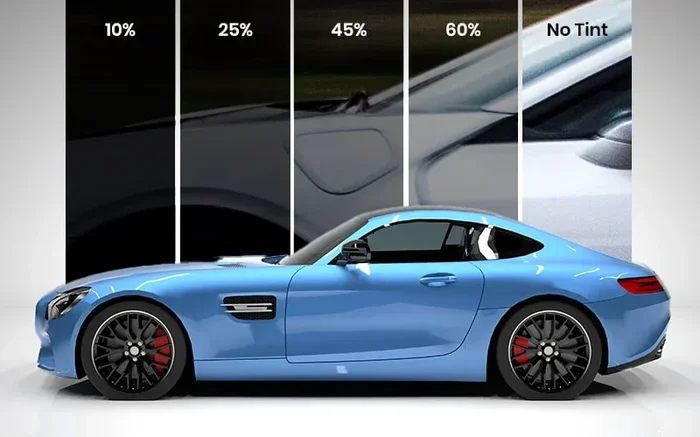
The VLT percentage is straightforward. The lower the number, the darker the tint. Here is a quick breakdown of common tint shades:
- 50 percent tint: Lets in half the light. Great for reducing glare but not very dark.
- 35 percent tint: A popular choice that offers a nice dark look while still allowing good visibility.
- 20 percent tint: Darker and more private. Harder to see through from the outside.
- 5 percent tint: The darkest option. Nearly opaque. Often restricted by law.
24 percent window tint falls right in the middle of this range. It gives you a noticeable darkening effect without crossing into the very dark territory that many states restrict.
How Visible Is 24 Percent Window Tint?
Visibility is one of the most important factors when choosing any tint shade. After all, you need to see clearly while driving. 24 percent window tint offers moderate visibility during daylight hours. During the day, you can generally see through the windows fairly well. However, at night or in low-light conditions, visibility drops significantly.
The tint shade affects how much detail you can make out through the glass. With a 24 percent tint, faces and objects at close range are usually visible. But distant objects may appear blurry or obscured. This is an important consideration for drivers who frequently drive at night or in areas with poor lighting.
Daytime vs. Nighttime Visibility
During the day, 24 percent window tint performs well. The tint reduces brightness and glare without making it impossible to see through the windows. You can still judge distances, read road signs, and spot pedestrians with reasonable ease.
At night, the experience changes. The same film that looks great in daylight can make your windows feel almost opaque in the dark. Headlights from oncoming traffic may create more glare because the tint darkens the interior of your car. This contrast can make it harder for your eyes to adjust.
Quick Tip: If you do a lot of night driving, consider pairing 24 percent window tint on the rear windows only. Keep your side windows untinted or use a lighter shade. This gives you the style and privacy you want without compromising nighttime safety.
Factors That Affect Tint Visibility
Several factors influence how visible a 24 percent tint actually is:
- Film type: Ceramic films tend to have a more natural look than dyed films. They also reduce color distortion.
- Window curvature: Curved windows can create a gradient effect, making the tint appear darker in some areas.
- Lighting conditions: Bright sunlight makes the tint appear lighter. Dim lighting makes it appear darker.
- Interior color: Dark interiors make the tint look darker from the outside. Light interiors can make it appear lighter.
- Film quality: Higher quality films often have better clarity and less distortion than cheap alternatives.
Keep these factors in mind when shopping for automotive window film. Not all 24 percent tints look the same. The brand, material, and installation quality all play a role.
Legal Considerations for 24 Percent Window Tint
This is where things get serious. Tint laws exist for a reason. They are designed to ensure driver safety and allow law enforcement to see inside vehicles during traffic stops. 24 percent window tint is legal in some places but restricted or even banned in others.
The most important thing to understand is that tint laws vary widely from state to state and country to country. There is no universal standard. What is perfectly legal in Arizona might get you a ticket in New York. That is why researching your local window tinting regulations is absolutely essential.
Understanding State Tint Laws
In the United States, each state sets its own rules for car window tinting laws. These laws typically specify the allowed VLT percentage for different windows. Here is a general overview of how tint laws are structured:
- Windshield: Most states allow a non-reflective tint strip at the top of the windshield. Full tinting is almost never legal.
- Front side windows: Many states require a minimum VLT of 50 to 70 percent for the driver and passenger front windows.
- Rear side windows: These often have looser restrictions. Some states allow any tint darkness on rear side windows.
- Rear windshield: Laws vary. Some states allow dark tints on the rear window as long as the car has side mirrors.
For 24 percent window tint, you will likely find that it is legal on rear windows in most states but may violate front window tint laws in many places. Always verify with your state’s Department of Motor Vehicles or local law enforcement agency.
Common Legal Restrictions
Beyond VLT percentages, most states also regulate:
- Reflectivity: Some states ban reflective or mirror-like tint finishes. Metallic and ceramic films can sometimes fall into this category.
- Color restrictions: Red, blue, and amber tint colors are often prohibited because they can interfere with emergency vehicle recognition.
- Medical exemptions: Some states allow darker tints for individuals with medical conditions that require extra sun protection.
- Certificate requirements: Many states require tint shops to display a certification sticker proving the film meets legal standards.
Violating tint legality rules can result in fines, tickets, and even orders to remove the tint. In some cases, your vehicle may fail inspection. This is why taking the time to understand window tinting regulations before installation is so important.
International Tint Laws
If you live outside the United States, tint laws differ even more dramatically. Many countries in Europe have strict limits on tint darkness. Some Middle Eastern countries, on the other hand, allow very dark tints as a cultural norm. Canada also has provincial tint laws that vary from one province to the next. If you are traveling or relocating, always research the local tint laws of your destination.
Benefits of 24 Percent Window Tint
So why do so many people choose 24 percent window tint? The benefits go beyond just looks. This shade level offers real practical advantages for daily driving.
UV Protection
One of the biggest benefits of quality automotive window film is UV protection. The sun’s ultraviolet rays can cause skin damage and accelerate the fading of your car’s interior. A good 24 percent tint film blocks a significant portion of UV radiation, protecting both you and your vehicle’s upholstery.
Heat Rejection
Driving in a hot car is no fun. 24 percent window tint helps reject solar heat, keeping your cabin cooler. This means less reliance on air conditioning, which can improve fuel efficiency over time. Ceramic tint products are especially effective at heat rejection without darkening the view too much.
Glare Reduction
Glare from the sun and headlights can be distracting and dangerous. A 24 percent tint shade reduces glare significantly, making your driving experience more comfortable. This is especially helpful during long road trips or when driving near sunset.
Privacy and Security
Dark tint gives you more privacy. People outside your car cannot easily see your belongings or your passengers. This can deter theft and make you feel more secure, especially when parked in public areas.
Interior Protection
Sun exposure damages dashboards, seats, and trim over time. By blocking a portion of solar energy, 24 percent window tint helps preserve the interior condition of your vehicle. This can maintain your car’s resale value over the years.
Comparing 24 Percent Tint to Other Shade Levels
Not sure how 24 percent window tint compares to other options? Here is a side-by-side look at popular tint shades.
| Tint Shade | VLT Percentage | Darkness Level | Legal on Front Windows? | Best For |
|---|---|---|---|---|
| 50% Tint | 50% | Light | Yes, in most states | Glare reduction, subtle look |
| 35% Tint | 35% | Medium | Yes, in many states | Style and visibility balance |
| 24% Tint | 24% | Medium-Dark | Often no for front windows | Privacy and heat rejection |
| 20% Tint | 20% | Dark | Usually no for front windows | Strong privacy, sleek look |
| 5% Tint | 5% | Very Dark | Rarely legal | Maximum privacy, limo-style |
As you can see, 24 percent window tint sits in a sweet spot. It is dark enough to look great and provide real benefits, but it may be too dark for front side windows in many states. This is why many people choose to apply 24 percent tint only to the rear side windows and rear windshield.
Which Shade Is Right for You?
The right tint shade depends on your priorities. If you want maximum visibility and easy legality, a 35 percent tint might be your best bet. If you want a darker, more dramatic look and are willing to follow the rules for rear windows only, 24 percent window tint is an excellent choice.
Quick Tip: When in doubt, go lighter. You can always add a second layer or upgrade later. Going too dark can lead to legal trouble and safety issues.
Tips for Choosing and Maintaining 24 Percent Window Tint
Choosing the right tint is only half the battle. Proper installation and maintenance make a huge difference in how your tint looks and performs over time.
Choose the Right Film Type
Not all tint films are the same. Here are the most common types you will encounter:
- Dyed film: Affordable and offers basic heat rejection. May fade over time.
- Metalized film: Durable and offers good heat rejection. May interfere with cell phone and GPS signals.
- Hybrid film: Combines dye and metal for a balanced performance at a moderate price.
- Ceramic film: The premium option. Excellent heat rejection, no signal interference, and a natural look.
For 24 percent window tint, ceramic and hybrid films tend to offer the best overall performance. They look great, last longer, and provide superior UV protection and solar heat rejection.
Hire a Professional Installer
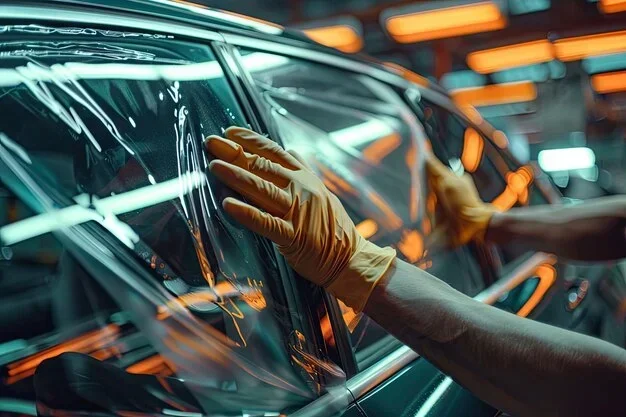
DIY tint kits are tempting because they save money. But professional installation makes a world of difference. A skilled installer ensures the film is applied evenly, without bubbles or creases. Poor installation can lead to peeling, bubbling, and an uneven appearance that ruins the look of your 24 percent tint.
Maintain Your Tint Properly
Once your tint is installed, proper care will extend its lifespan. Here are some maintenance tips:
- Wait at least 7 to 10 days before rolling down your windows after installation.
- Clean your tinted windows with a soft cloth and ammonia-free cleaner.
- Avoid using abrasive sponges or rough materials on the tinted surface.
- Park in shaded areas when possible to reduce sun exposure on the film.
- Inspect your tint regularly for signs of peeling or bubbling.
With proper care, quality 24 percent window tint can last 10 years or more. That is a solid return on your investment.
Common Mistakes to Avoid
Here are some mistakes that tint buyers frequently make:
- Ignoring local laws: This is the number one mistake. Always research your state’s tint regulations before purchasing.
- Choosing the cheapest film: Low-cost films often fade, bubble, and look terrible within a few years.
- Tinting the windshield illegally: Most states do not allow any tint on the windshield above a certain strip. Do not assume it is okay.
- Skipping the certification sticker: Many states require a sticker proving your tint is legal. Make sure your installer provides one.
- Applying tint in winter: Cold weather can affect the adhesive. Spring or summer is the best time for installation.
Avoiding these pitfalls will save you money, hassle, and potential legal trouble with your 24 percent window tint.
Expert Insights on 24 Percent Window Tint
Industry professionals agree that 24 percent tint is one of the most versatile options available. Tint installers often recommend it for customers who want a noticeable darkening effect without going to the extreme end of the spectrum.
One experienced installer shared: “I recommend 24 percent tint to clients who want a sporty look but still need decent daytime visibility. We always apply it to the rear windows only to keep them on the right side of the law.”
Another expert added: “The key is understanding VLT. Many customers come in asking for a specific shade without realizing that different windows have different legal limits. Education is half the battle.”
These insights reinforce the importance of knowing your window tinting regulations and working with a reputable professional who understands tint legality in your area.
Conclusion
24 percent window tint is a fantastic option for car owners who want a great look, solid UV protection, and effective heat rejection. It offers a medium-dark shade that enhances your vehicle’s appearance while still maintaining reasonable daytime visibility. However, the legal landscape for this tint level requires careful attention. Always check your local laws before tinting, and make sure your installer is knowledgeable about state tint laws.
Whether you choose 24 percent window tint for the rear windows only or explore lighter shades for the front, the key is making an informed decision. Consider your driving habits, your local regulations, and your personal style preferences. With the right film, professional installation, and proper maintenance, your tint will look great and perform well for many years to come.
Take the time to do your research. Your eyes, your safety, and your wallet will all thank you. 24 percent window tint can be a smart upgrade when you approach it with knowledge and care.
Frequently Asked Questions
Is 24 percent window tint legal for front side windows?
In most states, front side windows must have a VLT of at least 50 to 70 percent. This means 24 percent window tint is usually not legal on front side windows. Always check your specific state laws before tinting any window.
Can you see through 24 percent tint at night?
Visibility through 24 percent tint decreases significantly at night. While you can still see during the day, low-light conditions make the windows appear much darker. This is why many experts recommend lighter tints for drivers who frequently drive at night.
What is the difference between 24 percent and 20 percent tint?
The difference is small but noticeable. A 24 percent tint lets in slightly more light than a 20 percent tint. Both are considered medium-dark shades. The choice between them often comes down to personal preference and how dark you want your windows to look.
Does 24 percent tint block UV rays effectively?
Yes, quality 24 percent window tint can block up to 99 percent of harmful UV rays, regardless of the shade darkness. The UV-blocking ability depends on the film material, not just the VLT percentage. Look for films specifically rated for UV protection.
How much does 24 percent window tint cost?
The cost varies depending on the film type, your vehicle, and your location. On average, you can expect to pay between $150 and $400 for a full vehicle tint job. Ceramic films tend to cost more but offer superior performance and durability.
Can I apply 24 percent tint myself?
You can, but professional installation is highly recommended. DIY tint kits often result in bubbles, peeling, and uneven application. A professional installer ensures a clean, long-lasting finish that looks great and performs well over time.