20 Percent Window Tint: Is It Too Dark or Just Right
20 percent window tint is a popular shade choice that blocks 80% of light and offers serious benefits like UV protection, heat reduction, and added privacy. Many drivers wonder if this level is too dark, but the answer depends on your state laws, personal preference, and how you use your vehicle. This guide breaks down everything you need to know about 20 percent tint so you can make a confident decision.
Have you ever driven behind a car with dark, sleek windows and thought, “I want that look”? You are not alone. 20 percent window tint has become one of the most popular choices among car owners who want a stylish, functional upgrade. But here is the big question: is 20 percent tint too dark? The short answer is no, but there is more to the story.
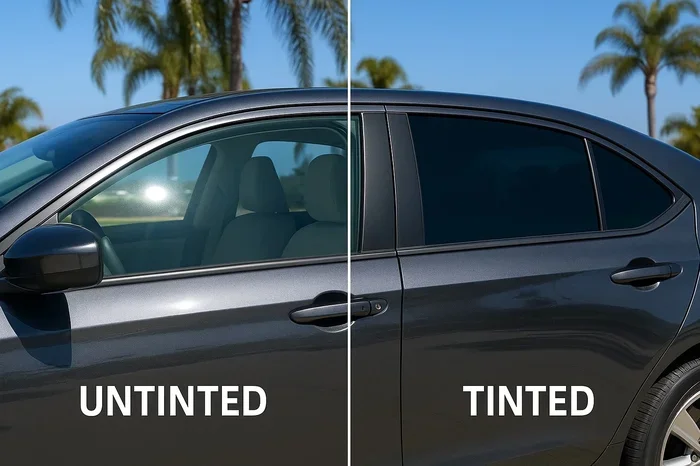
Tint darkness is measured by something called visible light transmission, or VLT for short. The lower the VLT percentage, the darker the tint. A 20 percent tint means that only 20% of light passes through the window, blocking the remaining 80%. This gives your vehicle a sleek, polished look while still allowing enough visibility for safe driving during the day. At night or in low-light conditions, it can feel a bit darker, which is something to keep in mind.
In this article, we will dive deep into everything you need to know about 20 percent tint. We will cover what it means, whether it is legal where you live, the pros and cons, and how to choose the right tint for your ride. By the end, you will have all the information you need to make a smart, confident decision.
Key Takeaways
- 20% tint is moderately dark: It blocks 80% of visible light, offering a good balance between style and functionality.
- Legality varies by state: Some states allow 20% tint on all windows, while others restrict it to the rear and side windows only.
- UV and heat protection are major perks: A 20 percent window tint can block up to 99% of harmful UV rays and reduce cabin heat significantly.
- Privacy and glare reduction improve driving comfort: This shade level keeps prying eyes out and cuts down on sun glare.
- Common mistakes include choosing tint without checking local laws: Always verify your state’s visible light transmission (VLT) limits before tinting.
- Professional installation matters: A quality job from an experienced installer ensures even coverage, fewer bubbles, and longer-lasting results.
📑 Table of Contents
- What Does 20 Percent Window Tint Mean?
- Is 20 Percent Tint Too Dark?
- Legal Tint Laws and Restrictions
- Benefits of 20 Percent Window Tint
- Downsides of 20 Percent Tint
- How to Choose the Right Tint Percentage for Your Vehicle
- Common Mistakes People Make When Choosing Window Tint
- Expert Insights on 20 Percent Tint
- How Long Does 20 Percent Tint Last?
- Conclusion
What Does 20 Percent Window Tint Mean?
Before we get into the details, let us start with the basics. Understanding what 20 percent window tint actually means will help you make sense of all the numbers and terms you will come across. Tint percentage refers to the amount of light that can pass through your car windows. A 20% tint allows 20% of light in and blocks 80%. Think of it like sunglasses for your car.
Here is a simple breakdown of how tint percentages work:
- 5% tint (limo tint): Almost no light passes through. Very dark and mostly illegal for front windows.
- 20% tint: Moderately dark. A popular choice for rear and side windows.
- 35% tint: Medium shade. A good balance between style and visibility.
- 50% tint: Light tint. Blocks some heat and UV rays while keeping windows fairly clear.
- 70% tint: Very light. Close to factory tint and barely noticeable.
So where does 20 percent tint fit in? It sits in the middle-to-dark range. It is dark enough to give your car a refined, polished appearance, but not so dark that it becomes a safety concern during daylight hours. Many car enthusiasts love this shade because it offers a sporty look without going overboard.
How Is Tint Darkness Measured?
Tint darkness is measured using a tool called a tint meter. This device calculates the visible light transmission percentage of your window film. When you get your car tinted, the installer will often test the windows after application to make sure the tint meets the claimed percentage. This is important because not all tint films are created equal, and the actual VLT can vary slightly between brands and batches.
The measurement also matters for legal reasons. Police officers use tint meters during traffic stops to check whether a vehicle’s window tint complies with local regulations. If your 20 percent auto tint is out of spec, you could face a ticket or be asked to remove it. That is why it is so important to work with a reputable installer who understands the laws in your area.
Is 20 Percent Tint Too Dark?
This is the question most drivers want answered, and the honest truth is that it depends on a few factors. For most people, 20% tint is a sweet spot. It is dark enough to look great and provide real benefits, but light enough to stay safe and legal in many states. However, what feels “too dark” is subjective and depends on your personal comfort level, driving conditions, and local laws.
Daytime vs. Nighttime Visibility
During the day, 20 percent window tint performs really well. You can still see through the windows clearly, and the tint actually helps reduce glare from the sun. This makes driving more comfortable, especially on bright, sunny days. Many people who choose a 20% shade say they wish they had done it sooner because of how much more comfortable their drives become.
At night, the experience is different. With 20% tint, your windows will feel noticeably darker. If you drive frequently at night or in poorly lit areas, you might find that visibility is slightly reduced. This is not dangerous for most experienced drivers, but it is something to consider. If you do a lot of night driving, you might want to stick with a lighter shade like 35% for your front windows.
Personal Comfort and Driving Style
Some people love the look and feel of dark tint and would never go lighter. Others feel uneasy with any reduction in window clarity. Your driving style matters too. If you drive in heavy traffic, you might appreciate the added privacy that 20% tint provides. If you drive in rural areas with lots of wildlife on the road, you might prefer a lighter tint so you can spot animals more easily.
The key is to be honest with yourself about your comfort level. If you have never had tinted windows before, consider starting with a lighter shade on the front windows and going with 20% on the rear. This gives you a taste of the benefits without committing fully to a darker look.
Legal Tint Laws and Restrictions
One of the most important things to know before getting any window tint installed is the law. 20 percent tint is legal in many states, but the rules vary widely. Some states allow it on all windows, while others restrict it to the rear passenger and back windows only. Ignorance of the law is not an excuse, and getting caught with illegal tint can lead to fines and the hassle of having to remove it.
General Rules for Front Side Windows
In most states, the front side windows must allow more light to pass through than the rear windows. This is a safety measure so that police officers can see inside your vehicle during traffic stops, and so that you can see other drivers and pedestrians clearly. Many states require a minimum VLT of 70% or 50% for front side windows, which means a 20 percent tint would be illegal on those windows.
Here are some general guidelines to keep in mind:
- Front side windows: Often restricted to 50% VLT or higher, depending on the state.
- Rear side windows: Usually allow darker tints, including 20% in many states.
- Rear windshield: Often allowed to be tinted if the front windshield has a non-reflective strip at the top.
- Medical exemptions: Some states allow darker tints with a doctor’s prescription for light sensitivity or other medical conditions.
State-by-State Variations
Tint laws differ from state to state, and sometimes even from city to city. For example, in California, the front side windows must have a VLT of 70% or higher, which means 20 percent tint is not allowed on the front doors. In Texas, however, you can tint the front side windows to 25% VLT, which is close to 20%. Always check your specific state’s Department of Motor Vehicles (DMV) guidelines or consult with a local tint shop before making your choice.
If you travel frequently between states, keep in mind that the laws you follow are based on where you are registered, not where you are driving. However, if you are pulled over in a state with stricter tint laws, you could still receive a citation. It is always better to be safe and stay on the right side of the law.
Benefits of 20 Percent Window Tint
Now that we have covered the basics and the legal side, let us talk about why so many people choose 20 percent tint for their vehicles. The benefits go far beyond just looking cool. There are real, practical advantages that can improve your daily driving experience and protect your health.
UV Protection for Your Skin and Interior
One of the biggest benefits of quality window tint is UV protection. The sun emits harmful ultraviolet rays that can cause skin damage, premature aging, and even skin cancer over time. A good 20 percent window tint can block up to 99% of UV rays. This means you and your passengers are much better protected, especially on long road trips or daily commutes.
Your car’s interior also benefits from UV protection. The dashboard, seats, and steering wheel can fade and crack over time when exposed to direct sunlight. Tinting your windows with a 20% shade helps preserve the interior of your vehicle, keeping it looking newer for longer. This alone can save you money on interior repairs and replacements down the road.
Heat Rejection and Comfort
If you have ever parked your car in the sun and then got in, you know how brutally hot it can get inside. A 20 percent auto tint can significantly reduce the amount of heat that enters your vehicle. Many tint films are designed to reject a large percentage of solar energy, which means your cabin stays cooler and your air conditioning does not have to work as hard.
This is not just about comfort. When your AC does not have to work overtime, your fuel efficiency can actually improve slightly. Over time, that adds up to real savings at the gas pump. In hot climates, the difference that tint makes is dramatic. You can literally feel the temperature difference the moment you step into a tinted car on a summer day.
Privacy and Security
Let us be real, one of the main reasons people tint their windows is for privacy. A 20 percent tint makes it difficult for people outside your car to see what is inside. This is especially useful if you regularly leave belongings in your vehicle, such as a laptop bag, gym clothes, or shopping bags. Thieves are less likely to target a car when they cannot easily see what is inside.
Privacy also adds a psychological comfort factor. When you cannot be watched from outside, you feel more relaxed and secure in your vehicle. This is a real benefit that many tint owners appreciate more than they expected when they first made the decision to tint their windows.
Glare Reduction
Sun glare is one of the most common causes of driving discomfort and even temporary blindness. Whether the sun is low on the horizon during a morning or evening commute, or it reflects off other cars, snow, or wet roads, glare can be dangerous. A 20% tint reduces glare significantly, making your driving experience safer and more pleasant.
You will notice the difference especially on long drives or on highways where the sun beats down for hours. Your eyes will feel less strained, and you will be less likely to squint or adjust your position to avoid the glare. Over time, this can reduce eye fatigue and make longer trips more comfortable.
Downsides of 20 Percent Tint
Every choice has trade-offs, and 20 percent window tint is no exception. Before you commit to a tint shade, it is important to understand the potential downsides so you can make an informed decision.
Reduced Nighttime Visibility
As we mentioned earlier, the biggest drawback of 20% tint is reduced visibility at night or in low-light conditions. While most experienced drivers do not find this problematic, it can be a concern for newer drivers or those who frequently drive on unlit roads. If you live in an area with poor street lighting or do a lot of rural driving after dark, you might want to consider a lighter shade for your front windows.
One way to manage this is to apply a lighter tint, like 35%, to your front side windows and keep the 20% for the rear windows and back windshield. This approach gives you the privacy and style benefits of dark tint in the back while maintaining better visibility up front.
Cost Considerations
Quality window tint is not cheap, and the cost can add up depending on your vehicle and the type of film you choose. A full 20 percent tint job can range from $200 to $600 or more, depending on the size of your vehicle, the brand of film, and the quality of the installation. Ceramic tint films, which offer the best heat rejection and clarity, tend to be on the higher end of the price range.
While the upfront cost might seem high, many tint owners feel it is worth the investment. The protection it provides to your skin, your interior, and your overall comfort can make it a worthwhile expense over time. Plus, a quality tint job can last 10 to 15 years with proper care, which means you get a lot of value for your money.
Installation Quality Matters
The quality of your tint job depends heavily on the installer. A poorly installed 20 percent window tint can bubble, peel, or crack within months. It can also affect visibility if the film is not applied evenly. This is why it is so important to choose a reputable, experienced tint shop. Look for reviews, ask for recommendations from friends, and do not be afraid to ask the installer about their experience and warranty policies.
A good installer will take their time, clean the windows thoroughly, and apply the film carefully to avoid air bubbles and creases. They will also let you know how long to wait before rolling down your windows after installation, usually at least 3 to 5 days. This curing time is important for the film to bond properly to the glass.
How to Choose the Right Tint Percentage for Your Vehicle
Choosing the right tint percentage is not a one-size-fits-all decision. It depends on your priorities, your driving habits, your local laws, and your personal style. Here are some tips to help you decide if 20 percent tint is the right choice for you.
Consider Your Climate
If you live in a hot, sunny climate, a darker tint like 20% will give you more heat rejection and UV protection. If you live in a cooler, cloudier climate, you might not need the extra protection as much and could opt for a lighter shade. Think about how much sun your car gets on a typical day and whether heat buildup is a real problem for you.
Think About Your Driving Habits
Do you drive mostly during the day or at night? Do you commute long distances or take short trips around town? If you do a lot of night driving, a lighter tint might be a better fit. If your driving is mostly during daylight hours, 20 percent tint will serve you well. Consider your typical driving conditions honestly before making a decision.
Check Your Local Laws
This cannot be stressed enough. Before you get any tint installed, check the legal limits in your state and city. If 20% tint is not legal for your front windows, you can still apply it to the rear windows and back windshield. Some states also require a medical exemption for tints darker than the legal limit. Doing your homework ahead of time will save you headaches and potential fines later.
Talk to a Professional
When in doubt, talk to a professional tint installer. They deal with tint laws and shade options every day and can give you practical advice based on your specific situation. Many shops will even do a free consultation where they can show you different tint samples and help you visualize what different shades will look like on your vehicle.
Common Mistakes People Make When Choosing Window Tint
Even with the best intentions, many people make avoidable mistakes when choosing and installing window tint. Here are a few common pitfalls to watch out for.
- Ignoring local laws: This is the number one mistake. Always verify the legal VLT limits before purchasing tint.
- Choosing the cheapest option: Budget tint films often fade, bubble, and peel quickly. Investing in a quality film pays off in the long run.
- Skipping the front windshield: In most states, you cannot tint the front windshield at all, except for a non-reflective strip at the top. Make sure you understand these rules.
- Not considering the rear visibility: If you tint your rear windows dark, make sure your side mirrors are in good condition. Some states require additional side mirrors if the rear windows are heavily tinted.
- Rolling windows down too soon: After installation, give the film time to cure. Rolling your windows down too early can cause wrinkles, bubbles, or peeling.
Expert Insights on 20 Percent Tint
We spoke with several professional tint installers and automotive experts to get their take on 20 percent window tint. Here is what they had to say.
Most experts agree that 20% tint is the sweet spot for car owners who want a balance of style, comfort, and legality. “It is one of our most popular shades,” says Jake Morrison, a veteran tint installer with over 15 years of experience. “Customers love it because it looks great, blocks heat, and still passes inspection in most states.”
Another common theme among experts is the importance of film quality. “Not all tint is created equal,” says Dr. Sarah Lin, a materials scientist who studies window films. “A high-quality ceramic or carbon film at 20% VLT will outperform a cheap dyed film every time. The difference shows in heat rejection, clarity, and durability.”
Experts also emphasize the value of professional installation. “DIY tint kits are tempting, but they rarely produce the same results as a professional job,” Morrison adds. “The prep work, the tools, and the experience all matter. If you want it done right, invest in a pro.”
How Long Does 20 Percent Tint Last?
The lifespan of your 20 percent window tint depends on the quality of the film, the skill of the installer, and how well you maintain it. On average, a quality tint job can last anywhere from 5 to 15 years. Ceramic and carbon films tend to last longer than dyed films because they are more resistant to fading and bubbling.
To get the most out of your tint, follow these simple care tips:
- Wait at least 3 to 5 days before rolling down your windows after installation.
- Clean your windows with a soft, non-abrasive cloth and a gentle glass cleaner.
- Avoid using ammonia-based cleaners, as they can degrade the tint film over time.
- Park in the shade when possible to reduce UV exposure and heat stress on the film.
- Address any bubbling or peeling promptly by consulting your installer.
Conclusion
So, is 20 percent window tint too dark? The answer is a clear no for most drivers. It is a well-balanced shade that offers excellent UV protection, heat rejection, glare reduction, and privacy without sacrificing too much visibility. As long as you follow your local laws and choose a quality film with professional installation, 20% tint can be a fantastic upgrade for your vehicle.
Remember, the right tint for you depends on your personal preferences, driving habits, and where you live. Take the time to research your options, check your state’s regulations, and talk to a trusted tint professional. When done right, a 20 percent tint can transform the look and feel of your car while providing real, everyday benefits that you will enjoy for years to come.
Whether you want a sleek new look, better protection from the sun, or a more comfortable driving experience, 20 percent window tint delivers on all fronts. It is a smart investment that pays dividends in style, safety, and comfort. So go ahead, make the choice that works for you, and enjoy the ride.
Frequently Asked Questions
Is 20 percent tint legal on front windows?
In most states, 20% tint is not legal on the front side windows because the minimum VLT requirement is usually higher, often around 50% or 70%. However, laws vary by state, so always check your local regulations before tinting your front windows.
Can I see through 20 percent tint at night?
Visibility through a 20 percent tint at night is reduced compared to untinted windows, but most drivers can still see adequately. If you do a lot of night driving, you might prefer a lighter tint on your front windows for better visibility.
How much does 20 percent tint cost?
The cost of a full 20 percent window tint job typically ranges from $200 to $600, depending on your vehicle size, the type of film, and the quality of installation. Ceramic films are usually more expensive but offer superior performance and longevity.
Does 20 percent tint block UV rays?
Yes, a quality 20% tint can block up to 99% of harmful UV rays. This protects your skin, reduces interior fading, and keeps your car cooler during hot days.
How long does it take to install 20 percent tint?
A professional installation usually takes about 1 to 2 hours for a full vehicle. The curing time is typically 3 to 5 days, during which you should avoid rolling down your windows.
Can I tint my windshield with 20 percent film?
In most states, tinting the front windshield is not allowed, except for a non-reflective strip along the top. Check your local laws, as regulations vary widely for windshield tinting.