Do Alfa Romeo Cars Hold Their Value in the Long Run
Do Alfa Romeo cars hold their value? The answer is more nuanced than you might think. While Italian luxury brands typically face steeper depreciation than German rivals, certain Alfa Romeo models surprise owners with solid resale value in the used car market. Understanding Alfa Romeo depreciation factors can help you make a smarter buying decision and protect your investment.
When you buy an Alfa Romeo, you are not just purchasing a car. You are buying a piece of Italian automotive artistry. The brand has built a reputation for passion, style, and driving pleasure that few manufacturers can match. But there is a question every potential buyer asks: do Alfa Romeo cars hold their value?
The short answer is that it depends. Like most luxury vehicles, Alfa Romeos experience depreciation. However, the rate and extent of that value loss vary widely across models, years, and conditions. Some Alfa Romeo vehicles lose value quickly, while others surprise owners with respectable resale numbers. Understanding how Alfa Romeo depreciation works can save you thousands of dollars and help you make a smarter ownership decision.
In this guide, we will explore every angle of Alfa Romeo value retention. We will look at specific models, compare them to competitors, and share practical tips to keep your car worth as much as possible. Whether you are buying new or shopping the used market, this article gives you the insights you need.
Key Takeaways
- Alfa Romeo depreciation runs higher than German brands: Luxury Italian cars typically lose 35-50% of their value within the first three years.
- Model choice matters significantly: The Alfa Romeo Giulia and Stelvio tend to hold value better than older or discontinued models.
- Maintenance history plays a huge role: Well-documented service records boost resale prices considerably.
- Low mileage preserves value: Cars driven under 10,000 miles per year retain more worth on the used market.
- Classic Alfa Romeos can appreciate: Vintage models from the 1960s-1980s often increase in value over time.
- Timing your sale matters: Selling at the right moment can minimize losses and maximize return.
- Limited edition models hold value best: Special trims and rare builds attract collectors willing to pay premium prices.
📑 Table of Contents
Understanding Car Depreciation
Before we dive into Alfa Romeo specifics, let us talk about how car depreciation works. Depreciation is the gradual loss of a vehicle’s value over time. It is the single biggest cost of car ownership for most people. New cars typically lose 15-25% of their value in the first year alone. By year five, many vehicles have lost 50-60% of their original price.
Several factors drive this decline. Mileage is the most obvious one. Wear and tear on the interior and exterior also matters. Mechanical condition plays a big role too. But beyond these basics, brand reputation, model popularity, and market demand all shape how fast a car loses value. This is where Alfa Romeo faces both challenges and advantages.
Why Luxury Cars Depreciate Faster
Luxury vehicles generally depreciate faster than mainstream cars. The reason is simple: they cost more upfront. A higher starting price means a larger absolute dollar loss as the car ages. Additionally, luxury car buyers often upgrade frequently, which floods the used market with slightly older models. This oversupply pushes prices down.
Italian luxury brands like Alfa Romeo face an extra hurdle. German brands like BMW, Mercedes, and Audi dominate the luxury resale market. They have stronger dealer networks and more widespread brand recognition. This gives them an edge in the used car market. But Alfa Romeo has its own unique appeal that keeps certain models competitive.
How Alfa Romeo Models Compare
Not all Alfa Romeo vehicles lose value at the same rate. Some models hold up surprisingly well, while others drop quickly. Let us break down the current and recent lineup to see how each performs.
Alfa Romeo Giulia
The Giulia is Alfa Romeo’s flagship sedan. It competes with the BMW 3 Series, Mercedes C-Class, and Audi A4. When the Giulia first launched, it faced the same steep depreciation curve as most new luxury sedans. However, the Giulia has shown improvement in recent years.
The Giulia’s sporty handling and striking Italian design give it a loyal following. This helps stabilize resale prices. Well-maintained Giulia models from the past few years are holding value better than expected. Cars with the turbocharged 2.0-liter engine tend to retain more value than older V6 variants, simply because they are more modern and fuel-efficient.
Alfa Romeo Stelvio
The Stelvio is Alfa Romeo’s luxury SUV. It competes with the BMW X3, Mercedes GLC, and Audi Q5. SUVs in general hold value better than sedans. The Stelvio benefits from this trend. Its unique Italian styling and engaging driving dynamics set it apart from more conservative competitors.
However, the Stelvio has faced some reliability concerns over the years. These issues have impacted resale value in certain model years. Buyers shopping the used market should pay close attention to service history. A well-maintained Stelvio can still hold its value remarkably well.
Discontinued Models
Alfa Romeo has discontinued several models over the decades. The Alfa Romeo 4C, for instance, was a mid-engine sports car with a devoted fanbase. The 4C has seen interesting value trends. Low-mileage examples have actually appreciated in some cases. This is common with niche sports cars that have limited production numbers.
Older models like the Alfa Romeo Spider and GTV from the 1990s and early 2000s present a different picture. These classic cars can be polarizing in the market. Some versions hold value well among enthusiasts, while others struggle to find buyers. The key factor is always condition and originality.
Alfa Romeo vs. German Rivals: Resale Comparison
To understand Alfa Romeo value retention, we need to compare it directly with the competition. The table below shows estimated five-year depreciation rates for popular models in the luxury segment.
Five-Year Depreciation Comparison
- Alfa Romeo Giulia (2020-2024): Estimated 40-48% depreciation over five years.
- BMW 3 Series (2020-2024): Estimated 35-42% depreciation over five years.
- Mercedes C-Class (2020-2024): Estimated 38-45% depreciation over five years.
- Audi A4 (2020-2024): Estimated 37-44% depreciation over five years.
- Alfa Romeo Stelvio (2020-2024): Estimated 42-50% depreciation over five years.
- BMW X3 (2020-2024): Estimated 36-43% depreciation over five years.
These numbers show that Alfa Romeo models depreciate slightly faster than their German counterparts. The gap is not enormous, but it is consistent. The reasons include smaller dealer networks, lower brand recognition in some markets, and fewer certified pre-owned programs.
However, the gap has been narrowing. Recent Alfa Romeo models have shown improved quality and reliability. The brand has invested heavily in its lineup. As a result, newer Giulia and Stelvio models are depreciating at slower rates than their predecessors. This trend is encouraging for anyone considering buying a used Alfa Romeo.
Factors That Affect Alfa Romeo Resale Value
Several key factors determine how well an Alfa Romeo holds its value. Understanding these can help you make better decisions as a buyer or seller.
Maintenance and Service History
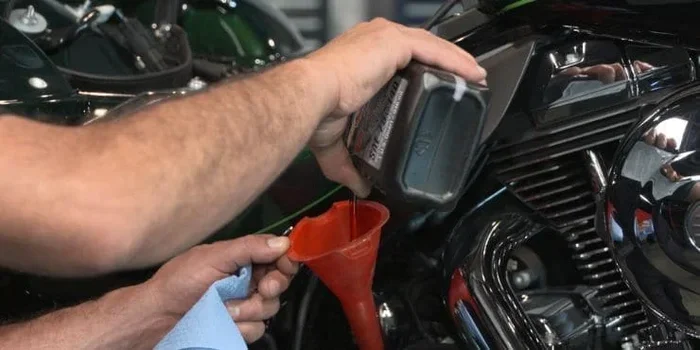
This is the single most important factor for any luxury car’s resale value. A complete service record with documented oil changes, brake jobs, and major services tells buyers the car was cared for properly. Alfa Romeo maintenance can be expensive, so buyers look for proof that previous owners invested in upkeep.
Always keep your receipts. Even if you service your car at an independent shop, detailed records matter. They build trust with future buyers and can justify a higher asking price. A well-documented Alfa Romeo can fetch thousands more than one with no service history.
Mileage and Usage
Low mileage is your best friend when it comes to resale value. Cars driven under 10,000 miles per year retain significantly more value. The Alfa Romeo Giulia and Stelvio are performance-oriented vehicles. Many owners drive them spiritedly, which can add up mileage quickly.
If you want to preserve value, keep your annual mileage moderate. Avoid short trips that cause excess wear on the engine and transmission. Highway driving is generally gentler on a car than constant stop-and-go city driving. The difference shows on the odometer and in the resale price.
Condition and Appearance
Physical condition matters enormously. Dents, scratches, and interior wear all reduce value. Regular washing, waxing, and interior cleaning go a long way. Parking in a garage or covered area protects the paint and prevents sun damage.
For Alfa Romeo vehicles, the interior deserves special attention. The brand uses premium materials that can show wear over time. Leather seats, the steering wheel, and the dashboard all need conditioning to stay looking their best. A car that looks showroom-fresh will always command a higher price.
Market Demand and Timing
Timing your sale can make a big difference. Luxury car demand fluctuates with the economy. In strong economic times, buyers are more willing to pay premium prices for used vehicles. During downturns, depreciation accelerates across the board.
Certain Alfa Romeo models also see seasonal demand spikes. Convertibles sell better in spring and summer. Performance cars attract more buyers in fall when new model year vehicles hit dealerships. Understanding these patterns helps you sell at the right time for the best price.
Tips to Maximize Your Alfa Romeo’s Value
Want to get the most money back when you sell your Alfa Romeo? Follow these proven strategies. They apply to any model and any budget.
1. Follow the Maintenance Schedule Strictly
Stick to the manufacturer’s recommended service intervals. Change the oil on time. Replace fluids, filters, and brake pads as scheduled. Skipping services may save money short-term, but it hurts resale value long-term. Buyers and dealers look at service history first.
2. Keep All Original Parts and Accessories
When you replace parts, keep the originals. When you sell, include all floor mats, the owner’s manual, and any spare keys. These small details signal a well-cared-for vehicle. They also make the car more convenient for the next owner, which adds perceived value.
3. Address Issues Promptly
Do not ignore warning lights or unusual sounds. Small problems become big expensive repairs if left unchecked. A car with a clean bill of health always sells for more. If you notice anything off, get it inspected immediately. Early repairs are always cheaper than delayed ones.
4. Keep Records of All Modifications
If you have upgraded your Alfa Romeo with aftermarket parts, keep all receipts and documentation. Some buyers value performance upgrades. Others prefer factory stock. Transparency about modifications builds trust and prevents price negotiations from going south.
5. Sell at the Right Time
Timing your sale strategically can add hundreds or even thousands of dollars to your return. Avoid selling in winter if you have a convertible. List your car in late winter or early spring when demand peaks. Be patient and willing to negotiate, but know your car’s fair market value before you start.
Do Alfa Romeo Cars Hold Value? The Verdict
So, do Alfa Romeo cars hold their value? The honest answer is: they hold value better than you might expect, but not as well as the best German luxury brands. Alfa Romeo depreciation is real, but it is manageable. With the right model, proper care, and smart timing, you can minimize value loss significantly.
The Alfa Romeo Giulia and Stelvio have shown meaningful improvement in recent years. They compete more effectively in the used luxury market than earlier models did. If you love the brand’s Italian character and driving experience, the slight depreciation premium is worth it for many enthusiasts.
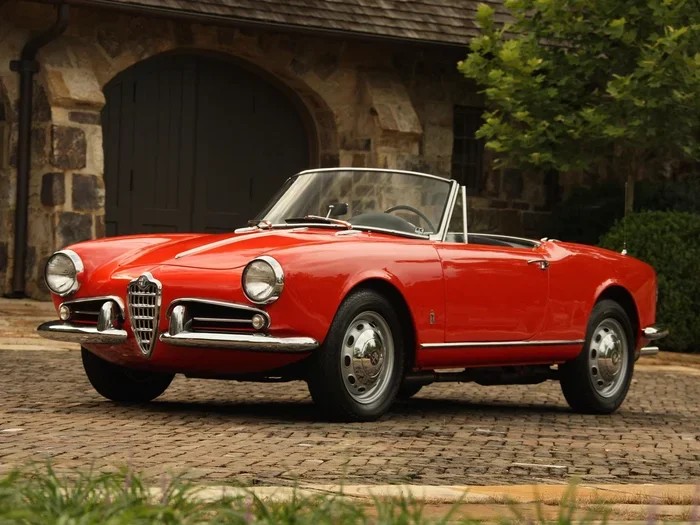
Classic and vintage Alfa Romeos tell a different story. These cars can appreciate over time, especially well-preserved examples with low mileage. The brand has a rich motorsport heritage that adds to its collectibility. Owning a classic Alfa Romeo is not just transportation; it is an investment in automotive history.
Ultimately, the value equation for Alfa Romeo comes down to personal priorities. If you buy primarily for resale, a German brand might make more financial sense. But if you buy for the driving experience, the style, and the passion that Alfa Romeo represents, the depreciation is the cost of that unique ownership experience. And for many owners, that cost is worth every penny.
The best way to protect your investment is simple: maintain your car meticulously, drive it with care, and sell it at the right moment. Follow these principles, and your Alfa Romeo will reward you with a satisfying ownership experience and a respectable return when it is time to move on.
Alfa Romeo is not just a car brand. It is a lifestyle choice. The cars are designed to be driven, enjoyed, and cherished. If you approach ownership with that mindset, value retention becomes just one part of a much larger and more rewarding equation. The open road, the Italian engine note, the elegant design, these are the real treasures that Alfa Romeo offers. And those are priceless.
Frequently Asked Questions
Do Alfa Romeo cars hold their value better than BMW?
Generally, no. BMW models tend to hold value slightly better than Alfa Romeo equivalents. The German brand has a larger dealer network, stronger brand recognition, and more established resale demand. However, the gap has been closing in recent years as Alfa Romeo improves quality and reliability.
Which Alfa Romeo model holds value the best?
The Alfa Romeo Giulia currently holds value better than the Stelvio. Among older models, certain classic Alfa Romeos from the 1960s and 1970s have appreciated significantly. Limited edition and special trim models across the lineup also tend to retain more value than standard versions.
Is it better to buy a used Alfa Romeo to avoid depreciation?
Yes, buying used is one of the smartest ways to avoid the steepest depreciation. A three-year-old Alfa Romeo has already lost its most rapid value decline. You get a car that is still modern and reliable, but at a significantly lower price. Just make sure to get a thorough inspection and review the service history carefully.
How fast does an Alfa Romeo depreciate in the first year?
Most new Alfa Romeo models lose about 20-25% of their value in the first year. This is typical for luxury vehicles. The exact rate depends on the model, trim level, mileage, and market conditions. After the first year, depreciation slows down considerably.
Can I improve my Alfa Romeo’s resale value with aftermarket parts?
Some aftermarket upgrades can help, but the effect is limited. Performance exhaust systems, upgraded wheels, and quality interior accessories may appeal to certain buyers. However, most resale value comes from the car’s original condition, maintenance history, and overall mechanical health. Keep any modifications reversible if possible.
Are older Alfa Romeos a good investment?
Certain older Alfa Romeos can be excellent investments. Classic models like the Alfa Romeo Spider Duetto and the 33 Stradale have shown strong appreciation. However, buying a classic requires expertise. You need to understand the model, verify its authenticity, and be prepared for potentially costly maintenance. Not all older Alfa Romeos appreciate, so research is essential.